
Keeping track of what you eat each day can be one of the most powerful steps toward better health. A Food Diary Template makes this process simple, structured, and effective. Instead of trying to remember what you ate or guessing portion sizes, a template gives you a clear format to record meals, snacks, drinks, and even your mood or activity levels. Whether you want to lose weight, manage a health condition, or simply become more mindful of your eating habits, a food diary is an essential tool.
What Is a Food Diary Template?
A Food Diary Template is a pre‑designed document that helps you log your daily food and beverage intake. It usually includes sections for:
- Date and time of meals
- Breakfast, lunch, dinner, and snacks
- Portion sizes or calories
- Notes on mood, energy, or symptoms
- Water intake and physical activity
By using a template, you don’t have to design your own system. Everything is laid out for you, making it easy to stay consistent.
Why Use a Food Diary Template?
There are several benefits to using a food diary:
- Awareness of Eating Habits – Writing down meals makes you more mindful of what and how much you eat.
- Weight Management – Many people discover hidden calories in snacks or drinks once they start logging.
- Nutritional Balance – A diary helps you see if you’re eating enough fruits, vegetables, protein, or fiber.
- Medical Support – Doctors and nutritionists often recommend food logs to identify triggers for allergies, digestive issues, or blood sugar fluctuations.
- Accountability – Having a written record keeps you motivated and on track with your goals.
Types of Food Diary Templates
Food diary templates come in different formats depending on your needs:
- Printable Food Diary Template (Word or PDF): Perfect for those who prefer handwriting their meals.
- Excel or Google Sheets Food Diary Template: Great for automatic calculations of calories, macros, or water intake.
- Digital Food Diary Apps: Convenient for logging on the go, though many people still prefer the simplicity of a printable template.
How to Use a Food Diary Template Effectively
To get the most out of your food diary:
- Log in real time. Don’t wait until the end of the day or you may forget details.
- Be honest. Record everything, even small snacks or drinks.
- Add context. Note your mood, energy level, or stress when eating.
- Review weekly. Look for patterns such as late‑night snacking or skipped breakfasts.
If you are looking to lose weight or simply trying to maintain and enjoy a healthy lifestyle, then the most important thing to take care of is your diet. Research shows that the diet contributes to 70% when it comes to losing weight. You should know and maintain a proper record of what you eat and how healthy it actually is. For that purpose, the use of food diary or food log templates is highly recommended.
What is a Food Diary Template?
A food diary or a food log template is a personal document that an individual uses so as to record or keep track of his/her diet. It is also sometimes known as a food journal. It is a useful piece of paper that helps you to maintain a detailed record of what you eat or have eaten for breakfast, lunch, dinner, etc., or simply what you eat or have eaten in the whole day.
Different types of food diary or food log templates come in different formats. Some food diary samples just enable you to only record what meals you eat. However, some samples also allow you to keep track of your calories intake and the relevant portion of the food group of the meals that you eat like how many grams of protein, fats, and carbohydrates you had in your lunch.
A food diary or food journal can be created on a daily, weekly, or even monthly basis depending upon your goals and objectives. You can choose to have a food diary from the given food diary templates or even create one yourself easily. On this page, we have 28+ free printable food diary/food log templates for your facility. All of these templates are available in the MS WORD program which means you can easily edit the contents of the document so as to use it for your own purposes.
Sample Food Diary Templates
Detailed Food Diary Template
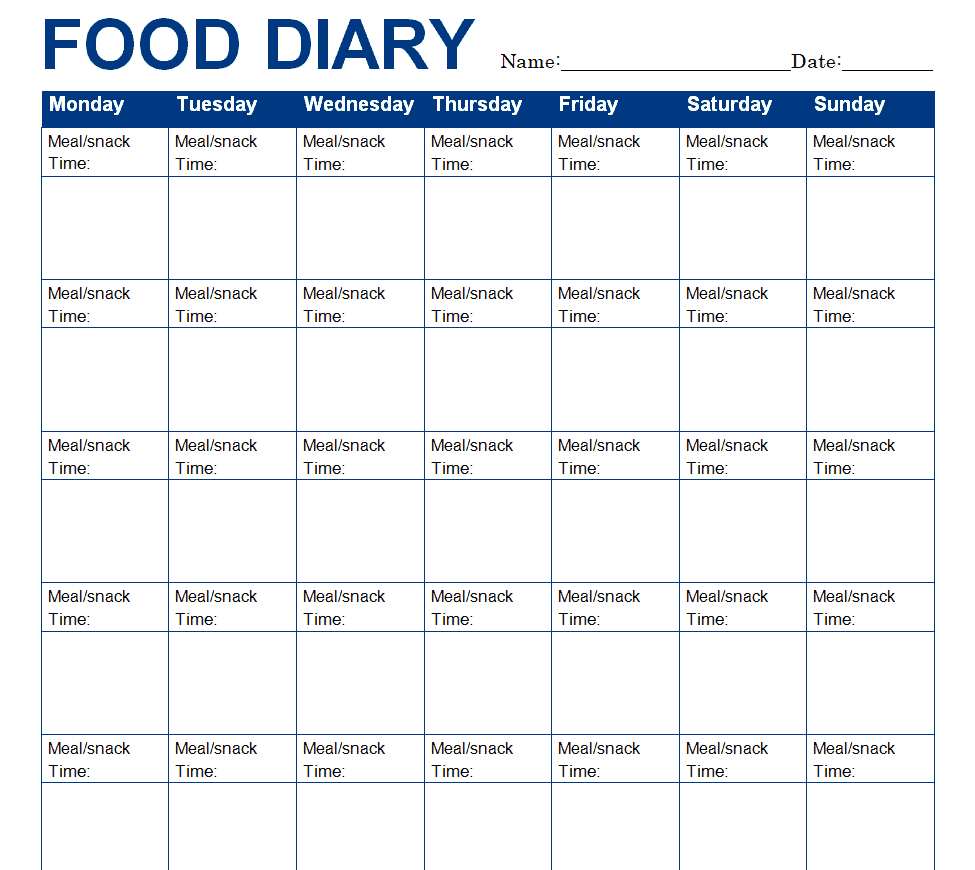
File Size: 18 KB
File Type: MS WORD
Fitness Club’s Food Diary Template
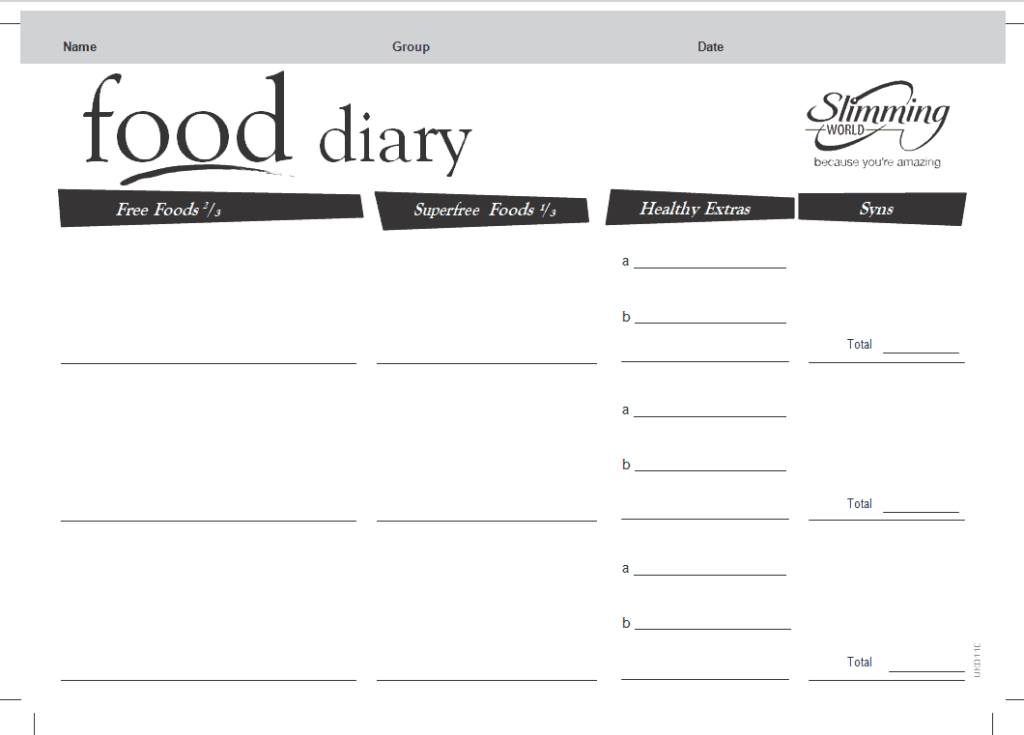
File Size: 20 KB
File Type: MS WORD
Personal Food Diary Template
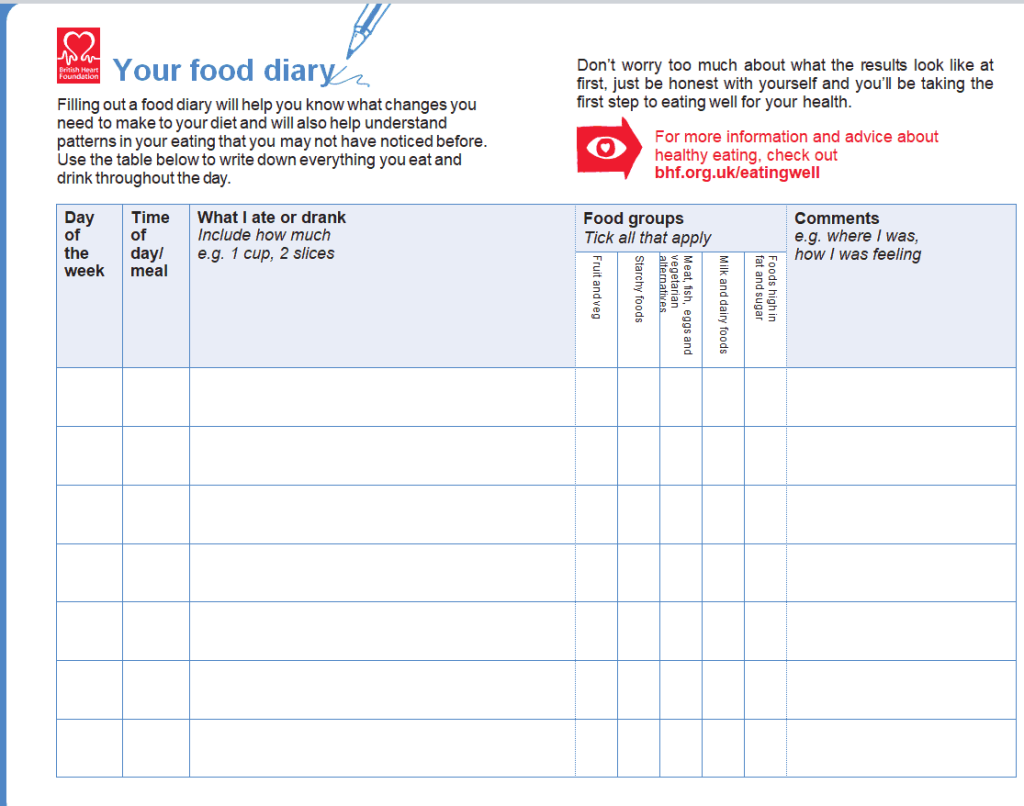
File Size: 27 KB
File Type: MS WORD
Food Diary Template with Calorie Counter
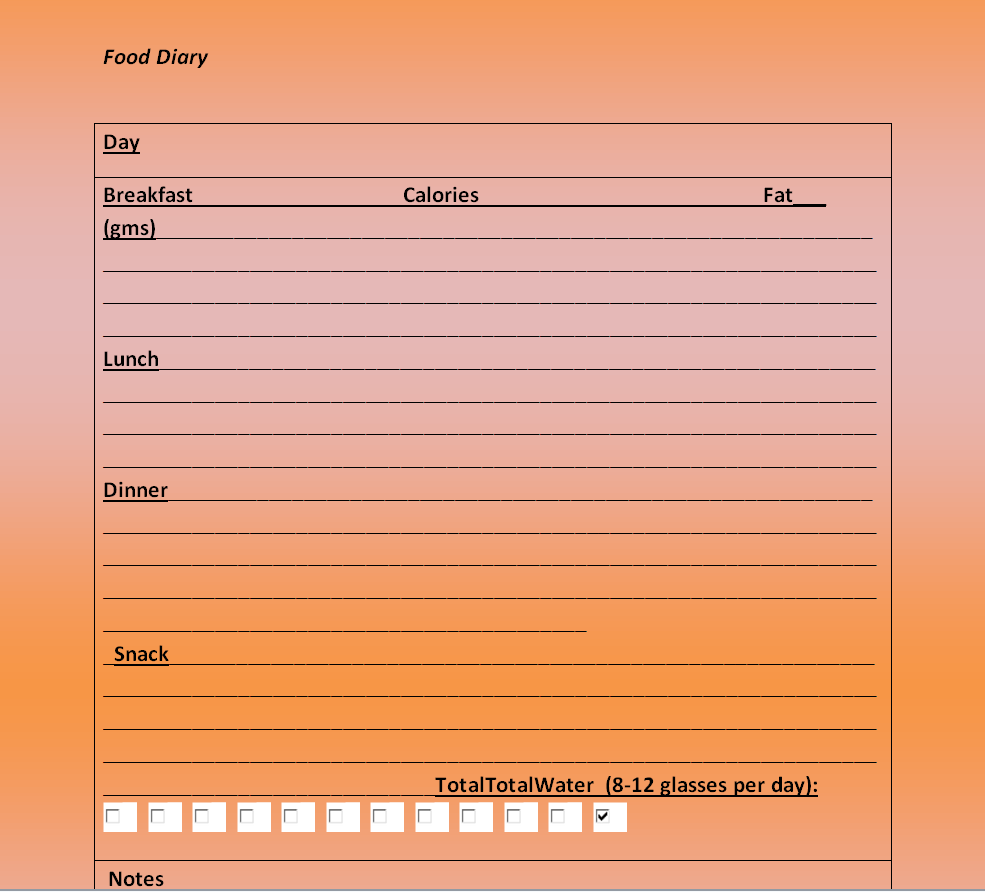
File Size: 14 KB
File Type: MS WORD
Fitwatch Food Diary Template
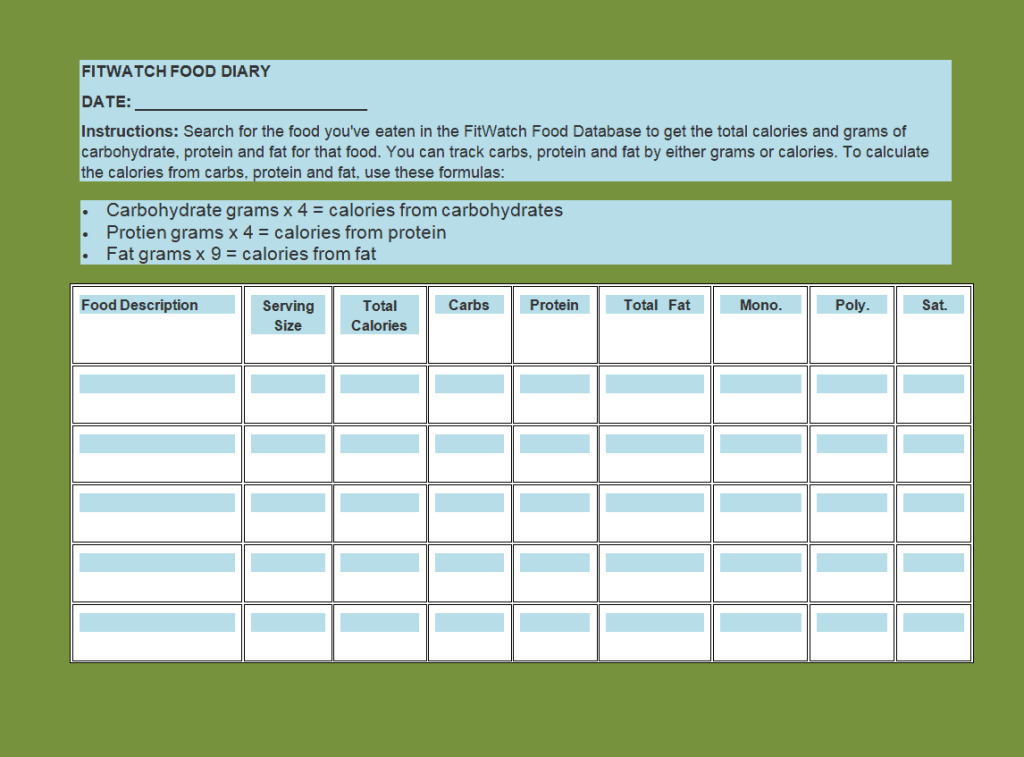
File Size: 15 KB
File Type: MS WORD
Sample Food Diary Template Word
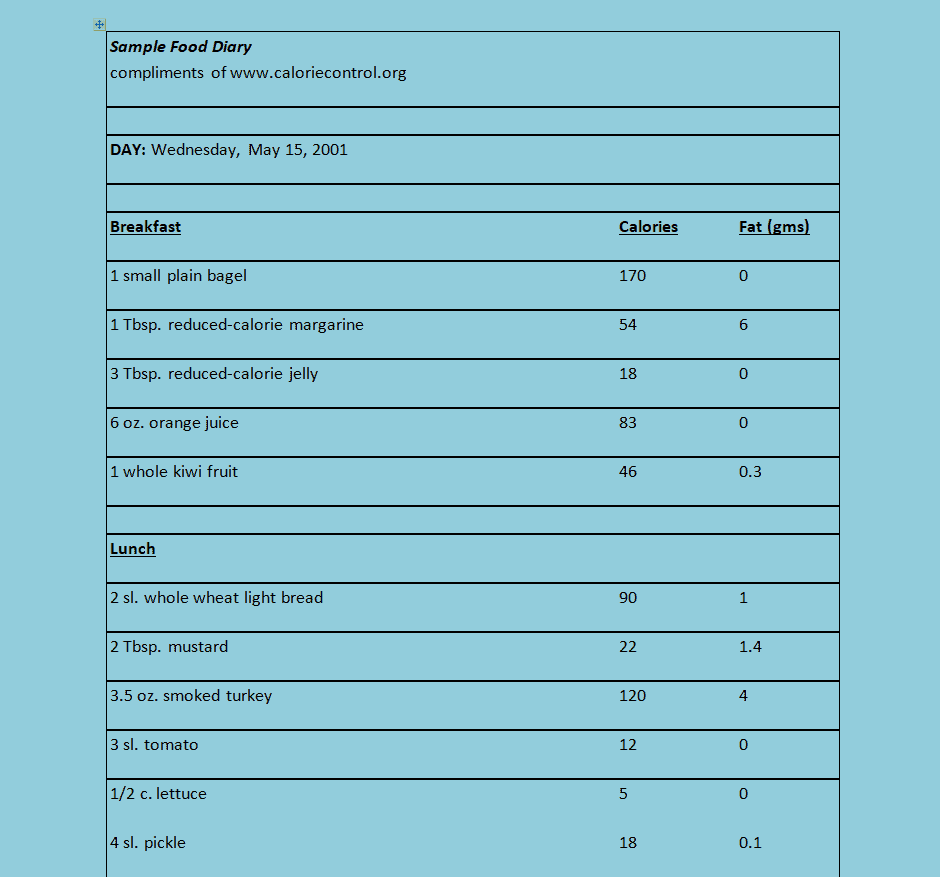
File Size: 17 KB
File Type: MS WORD
Daily Food Diary Template with Food Group
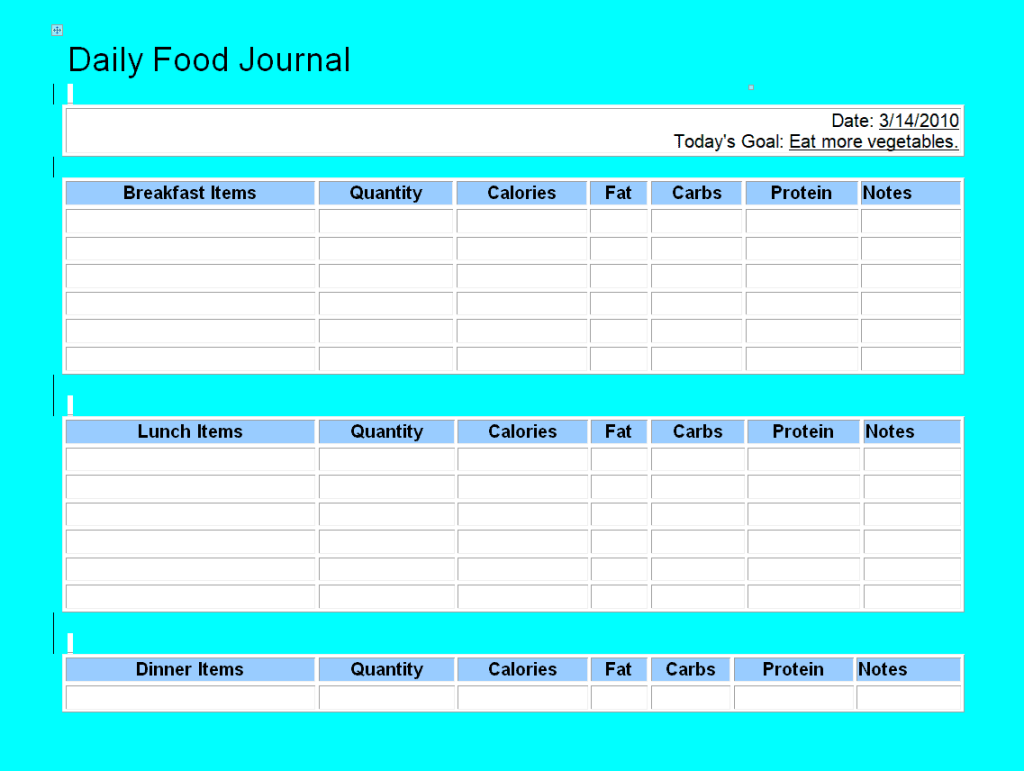
File Size: 16 KB
File Type: MS WORD
Editable Food Diary Template
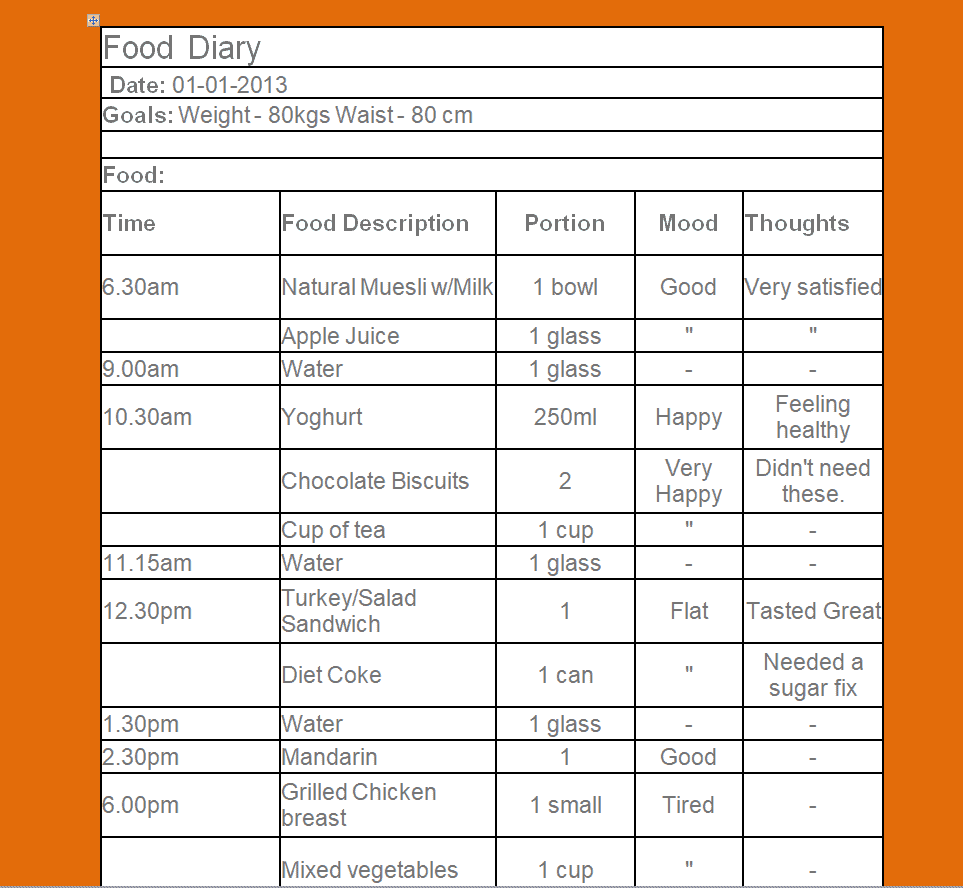
File Size: 16 KB
File Type: MS WORD
Daily Health and Food Journal Template
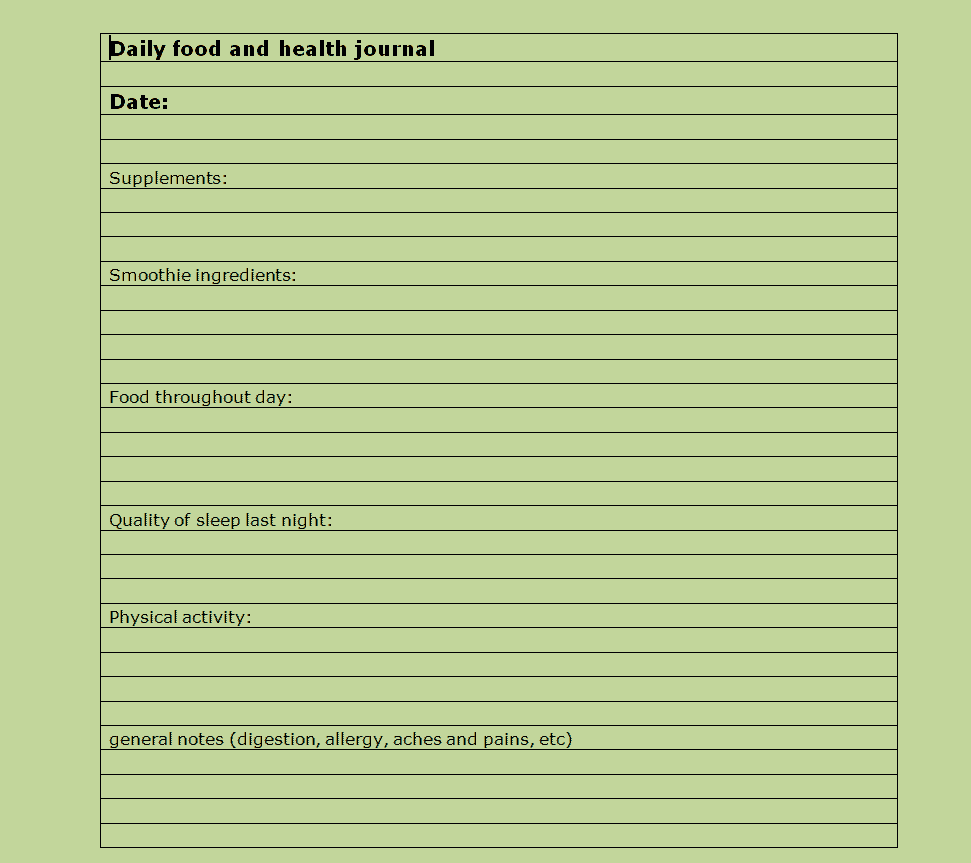
File Size: 11 KB
File Type: MS WORD
Elegant Style Food Diary Template
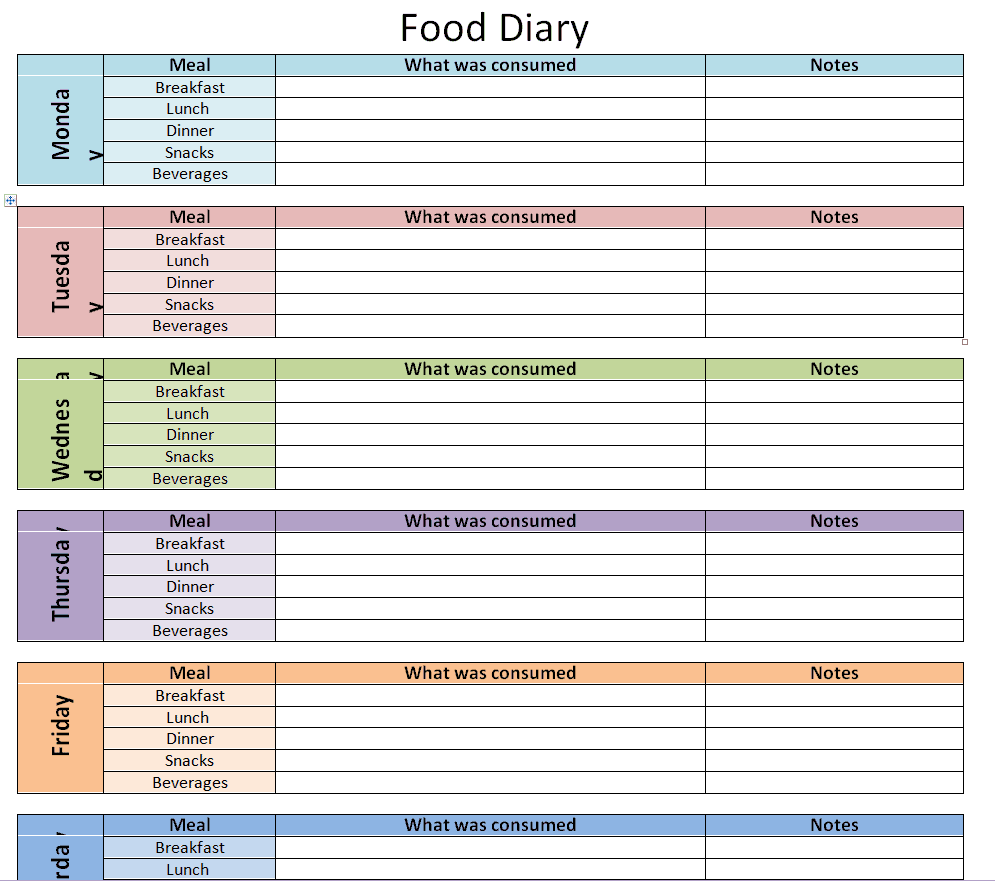
File Size: 19 KB
File Type: MS WORD
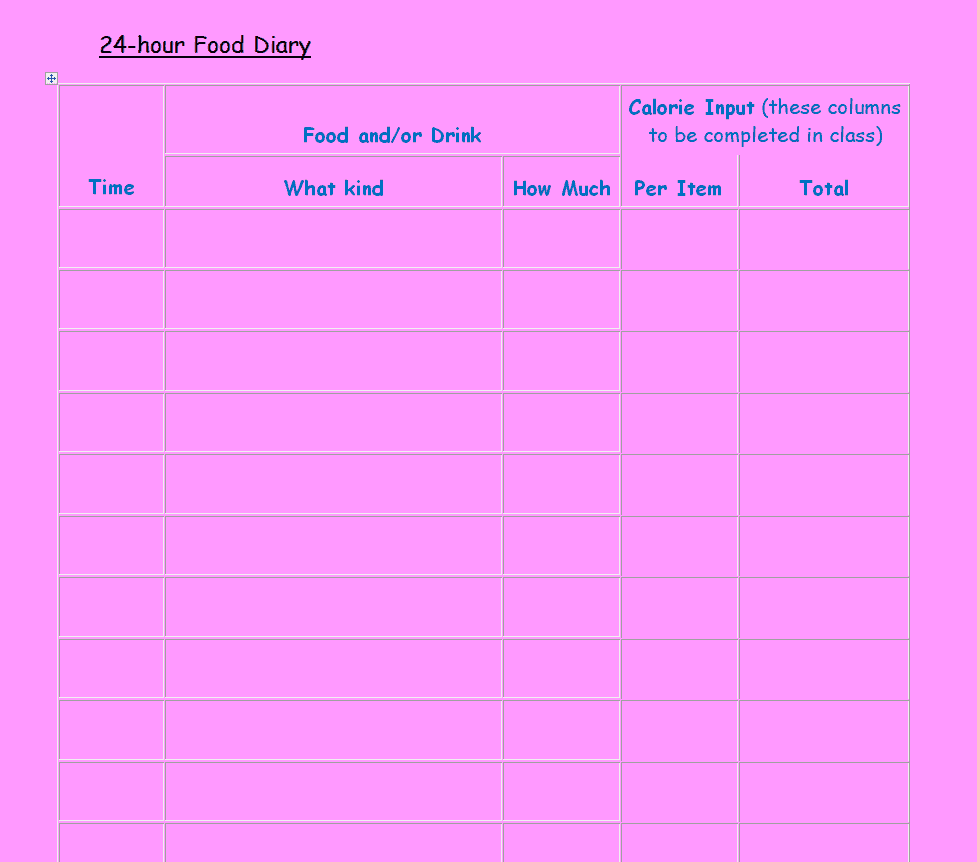
24-Hour Food Diary Template
File Size: 12 KB
File Type: MS WORD
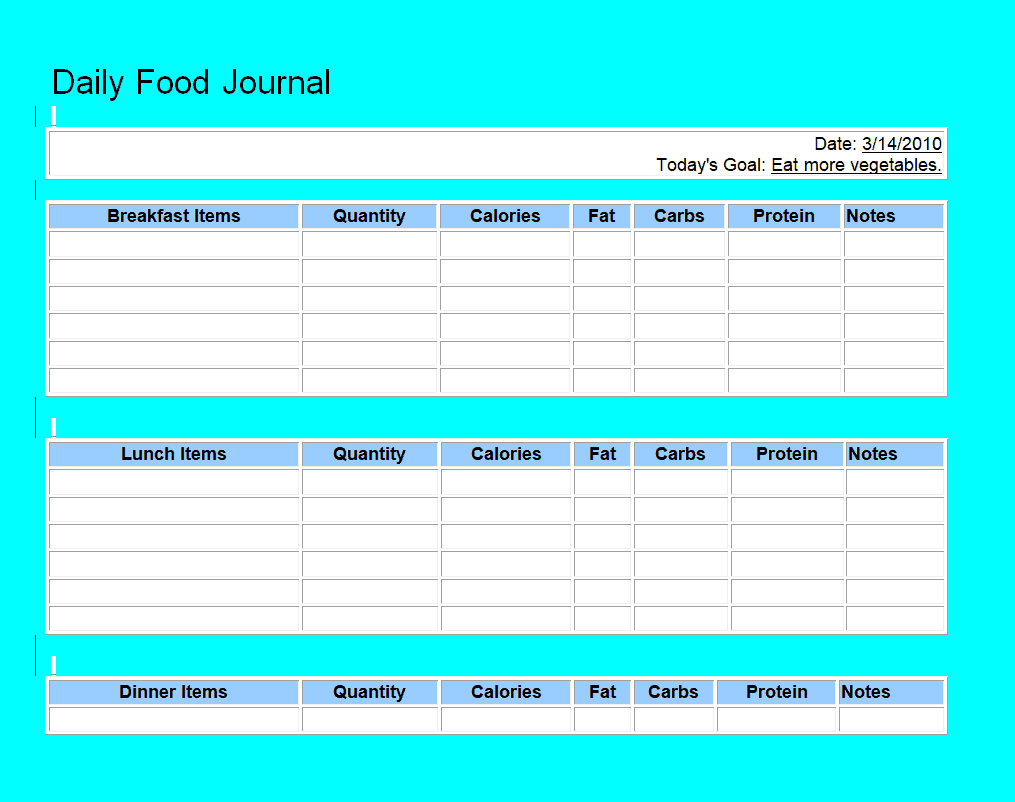
Food Diary Template Example
File Size: 16 KB
File Type: MS WORD
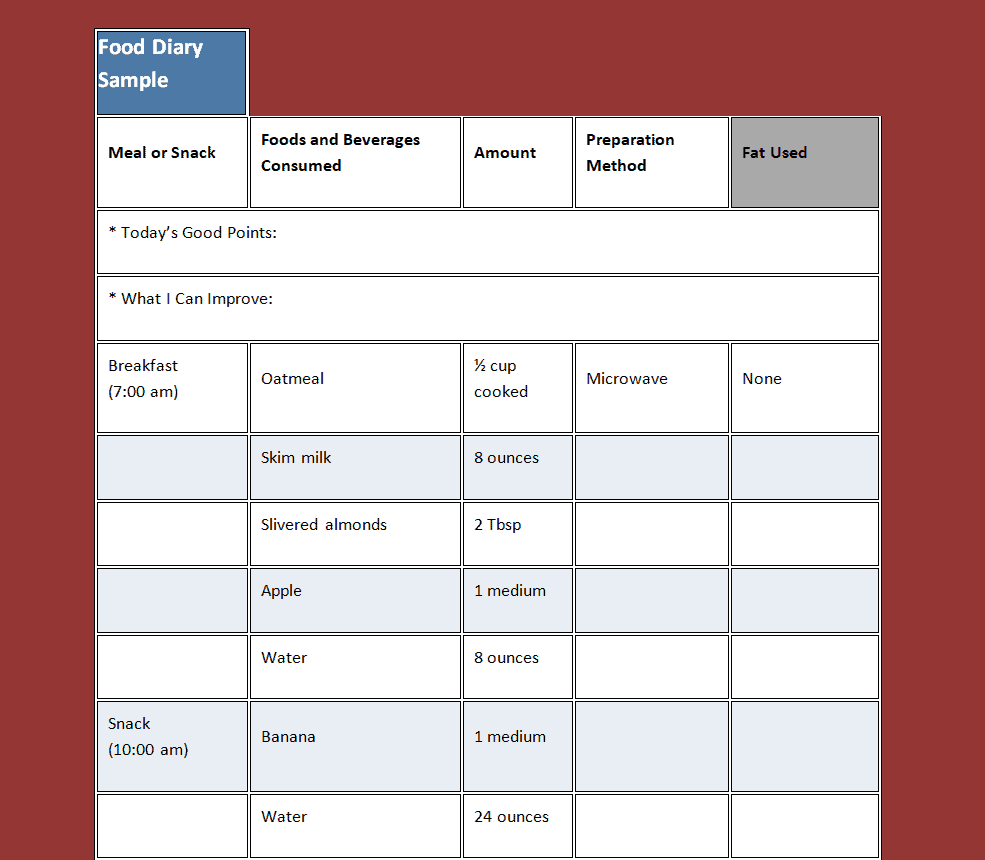
Food Diary Sample Template
File Size: 12 KB
File Type: MS WORD
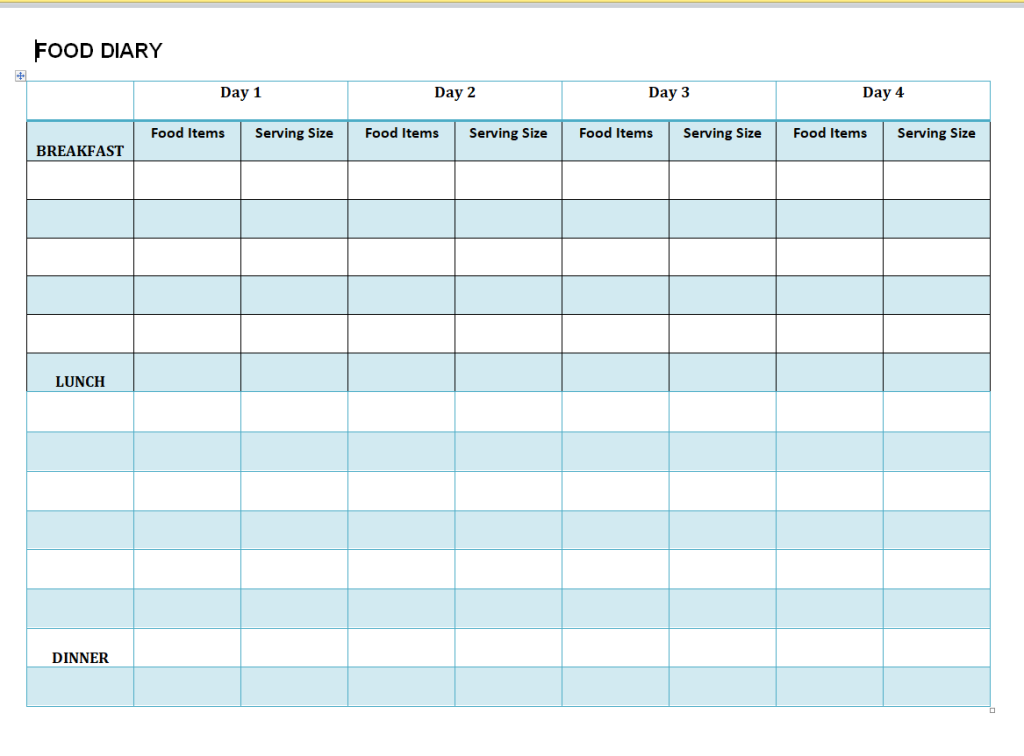
Blank Food Diary Template
File Size: 13 KB
File Type: MS WORD
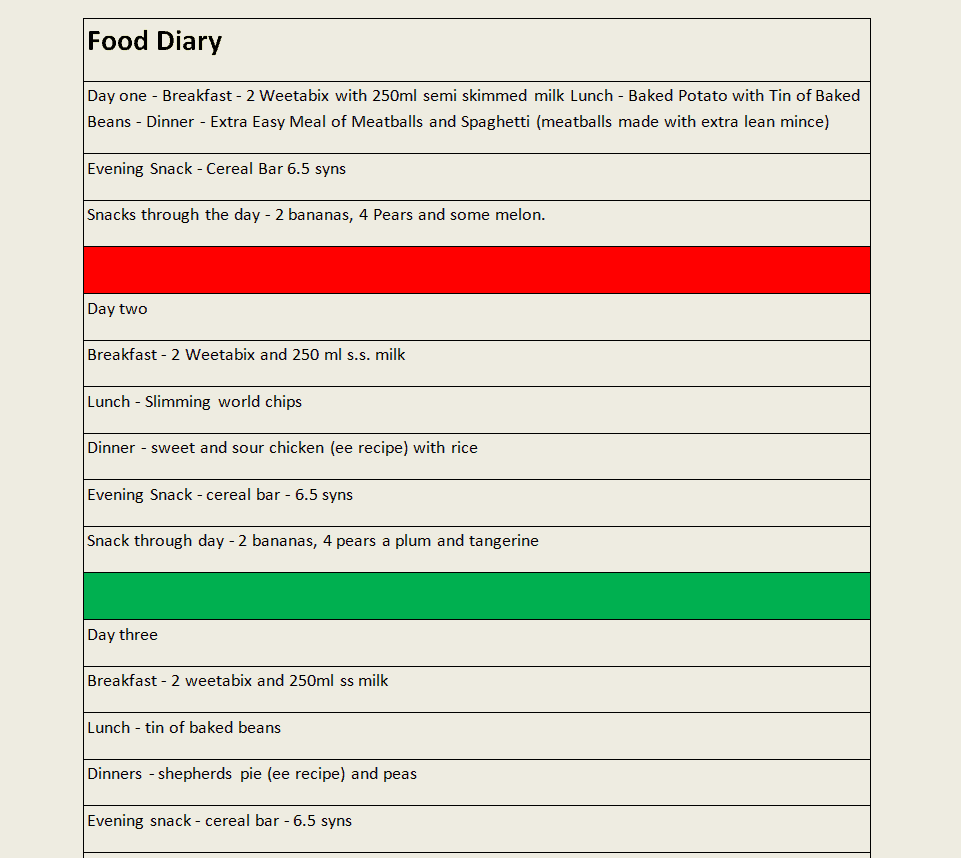
Food Diary Template Free
File Size: 11 KB
File Type: MS WORD
Significance of a Food Diary/Food Log Template
A food diary/food log template can prove to be the very first step that you can take while considering changing your eating habits and enjoying a healthy lifestyle. As mentioned above, the true importance of a food diary or food log is that it helps you monitor your caloric intake so that you can observe how you should control your caloric intake.
A food diary can also be considered as a commitment that you do to yourself. Being human, it is difficult for us when we suddenly try to adopt a healthy lifestyle and start eating clean, and therefore chances are that we might start to cheat quite often. However, developing a habit to record everything you eat and maintaining a proper food log can help you overcome this situation. Having a food diary in place can encourage you to be honest with yourself thus helping you achieve your weight loss goals.
Some food diary templates also have spaces or fields to record how much you ate from a particular food group like how much of your breakfast consists of protein, fats, and carbohydrates. This enables you to control not only the calories but also the percentage or portion of calories from each food group. That way you can easily decide the intake of which food group is needed to be controlled.
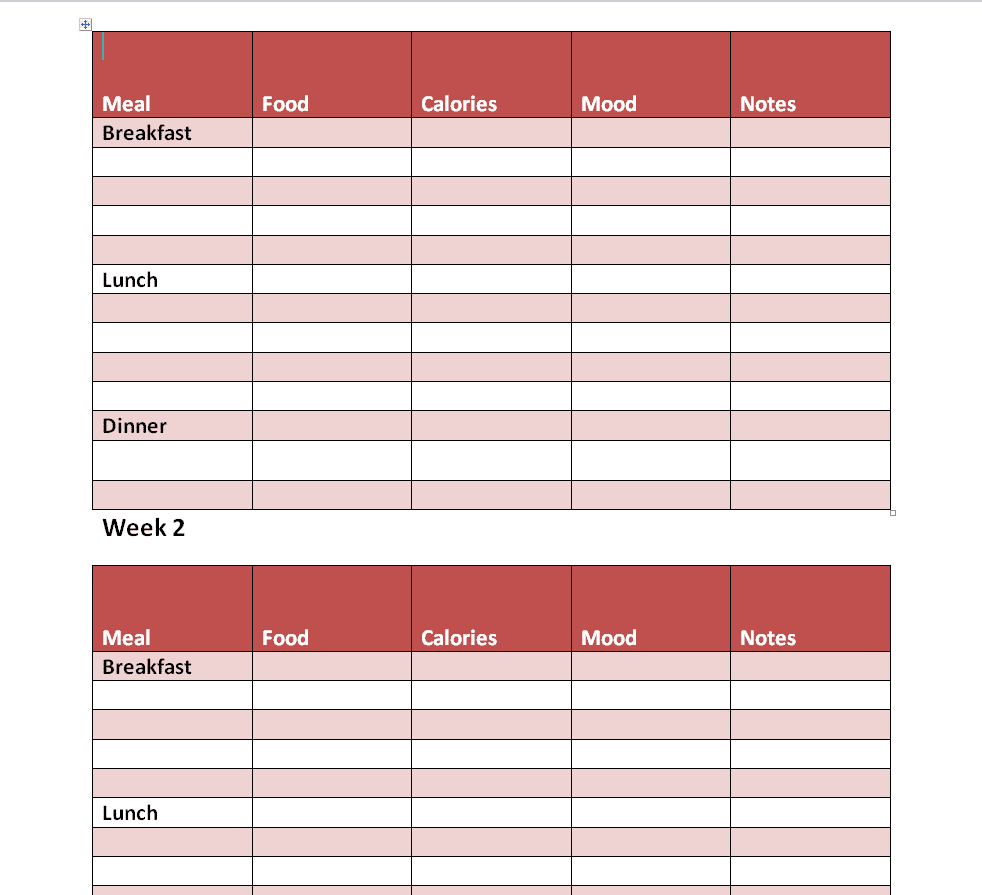
Example Food Diary Template
File Size: 14 KB
File Type: MS WORD
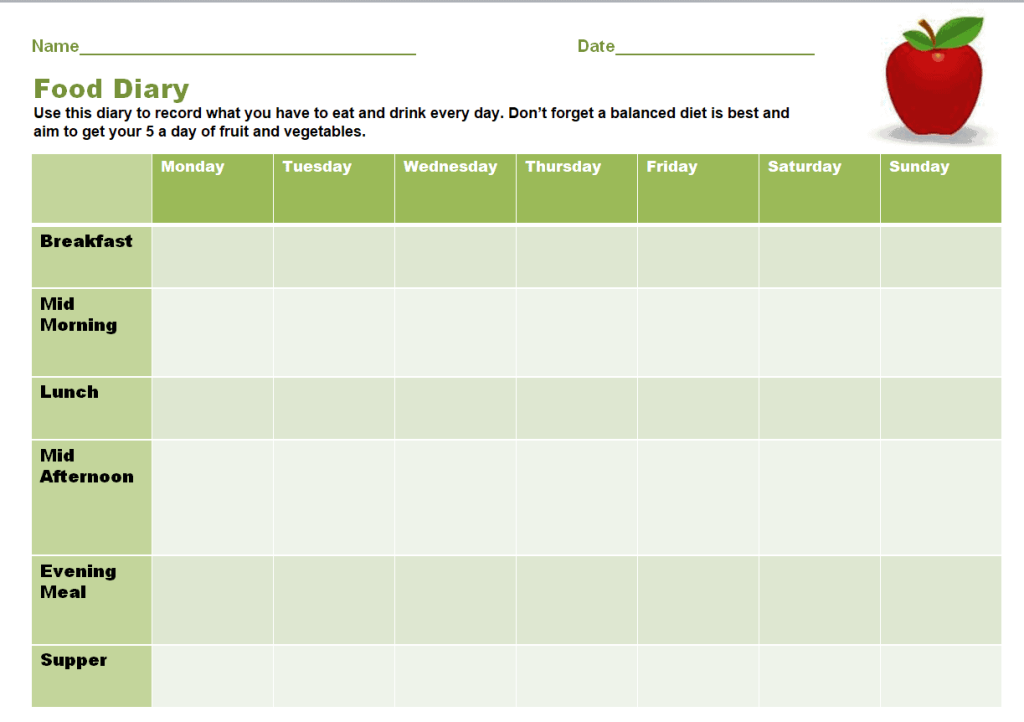
Special Design Food Diary Template
File Size: 11 KB
File Type: MS WORD
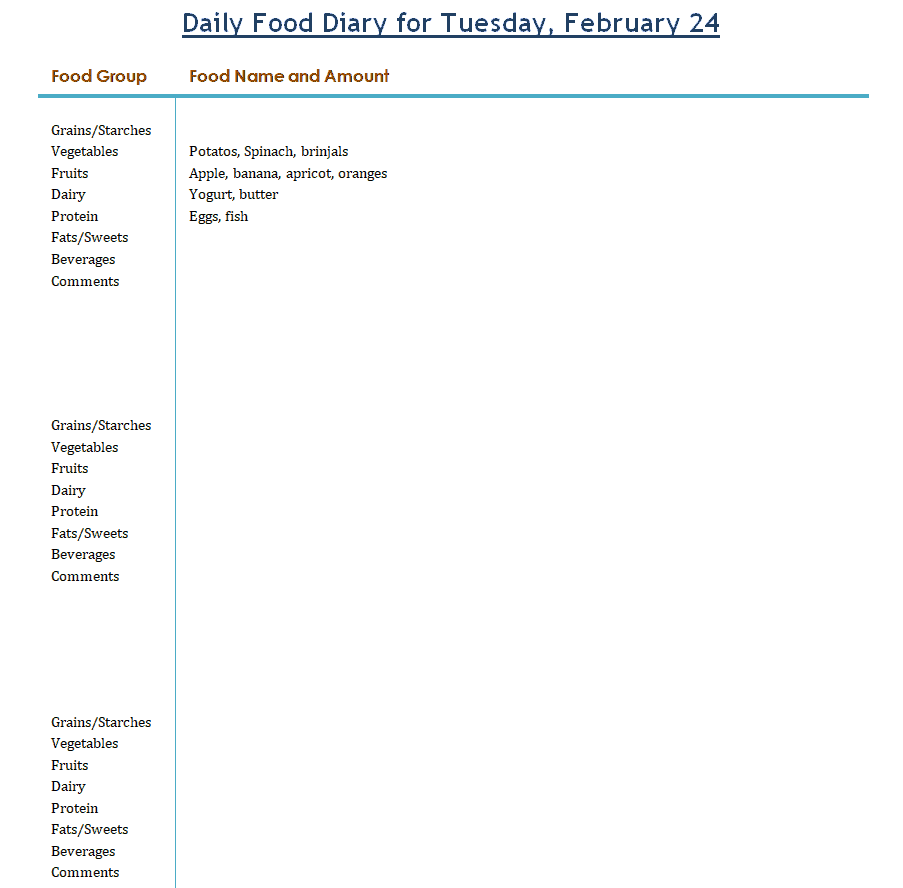
Day Wise Food Diary Template
File Size: 23 KB
File Type: MS WORD
Sample Food Journal Template
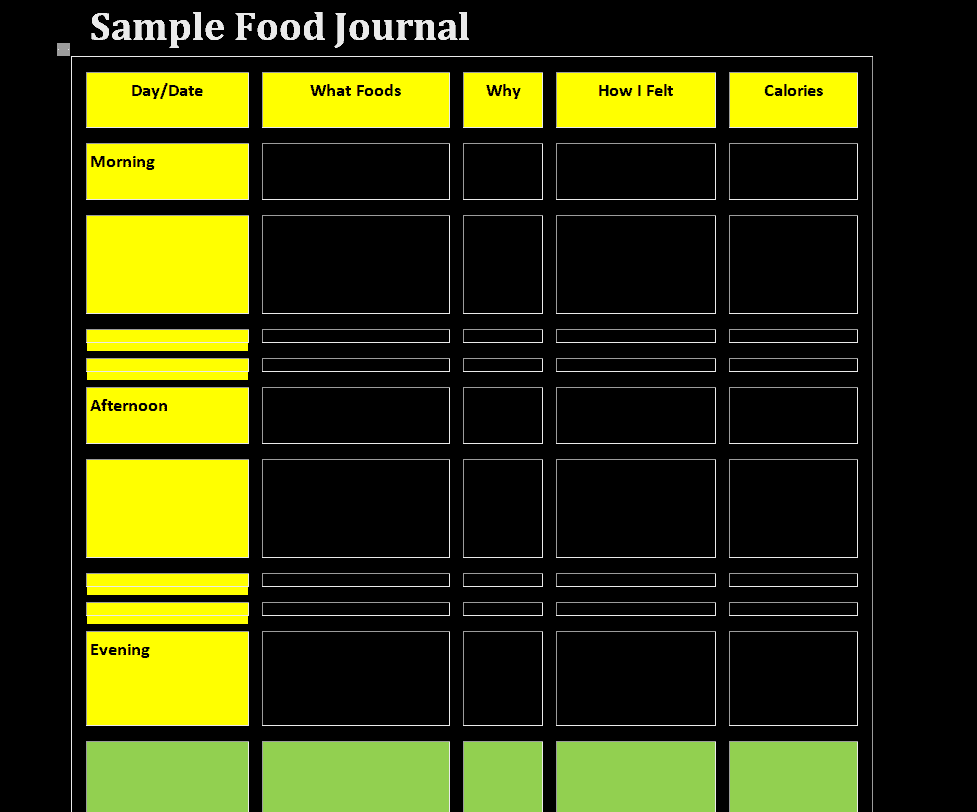
File Size: 12 KB
File Type: MS WORD
Printable Food Diary Template
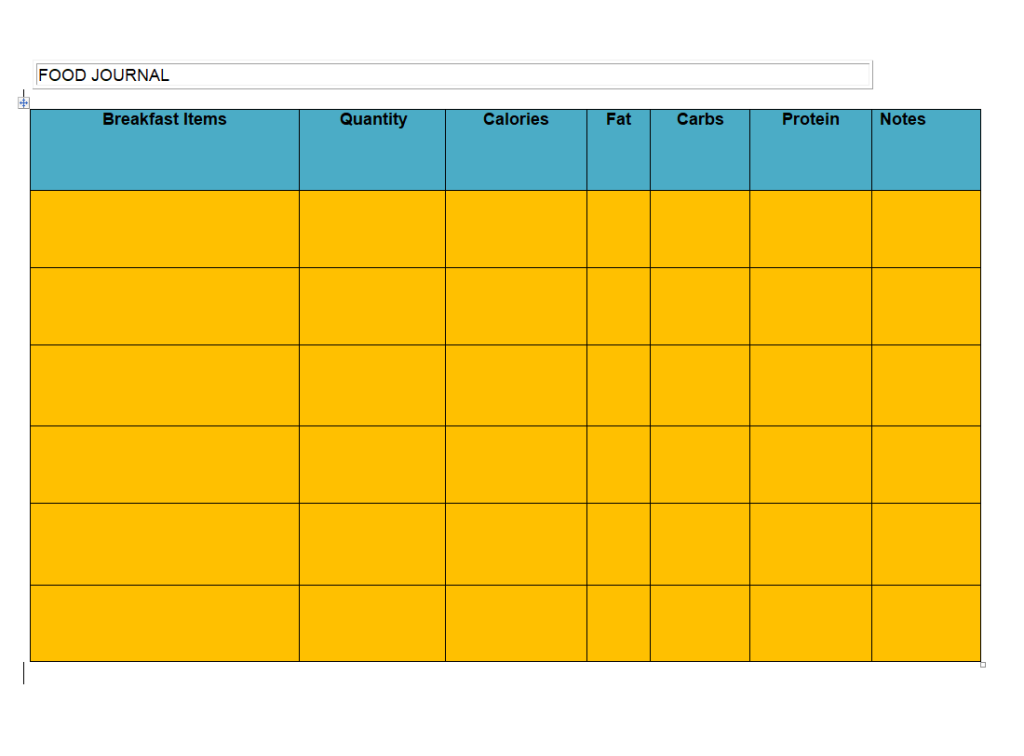
File Size: 13 KB
File Type: MS WORD
Customizable Food Diary Template
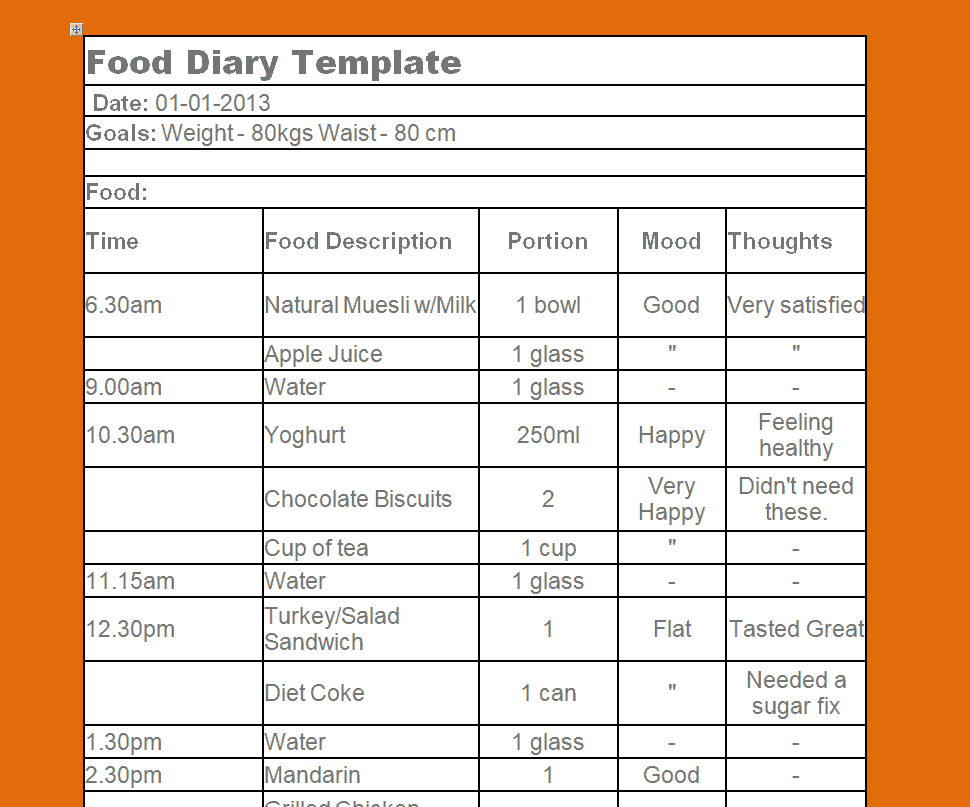
File Size: 16 KB
File Type: MS WORD
Basic Food Diary Template
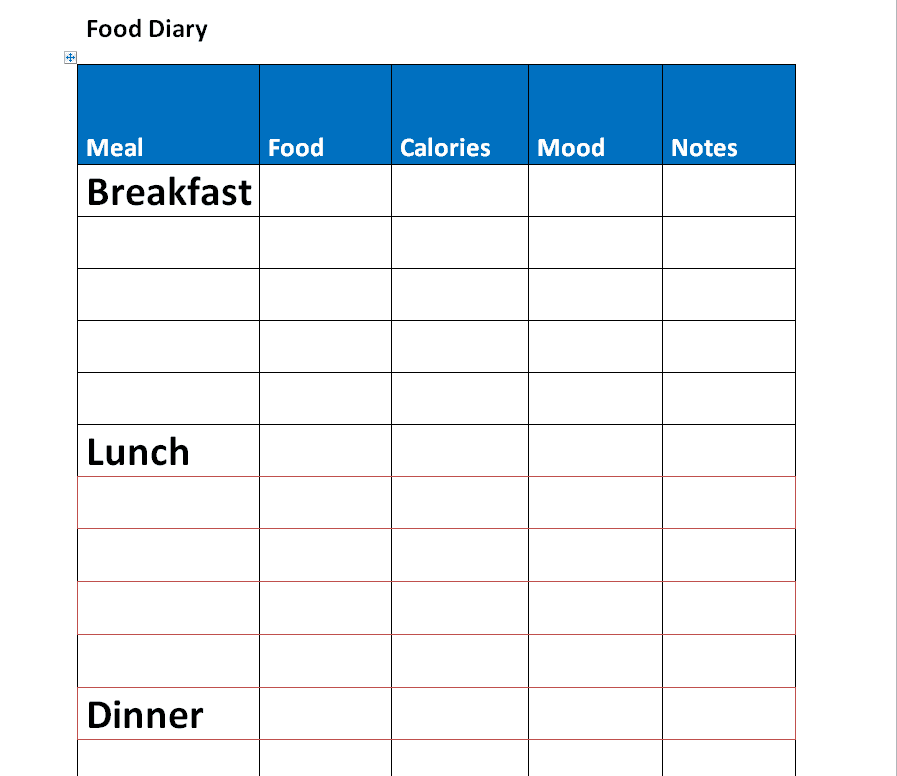
File Size: 12 KB
File Type: MS WORD
Blank Sample Food Diary Template
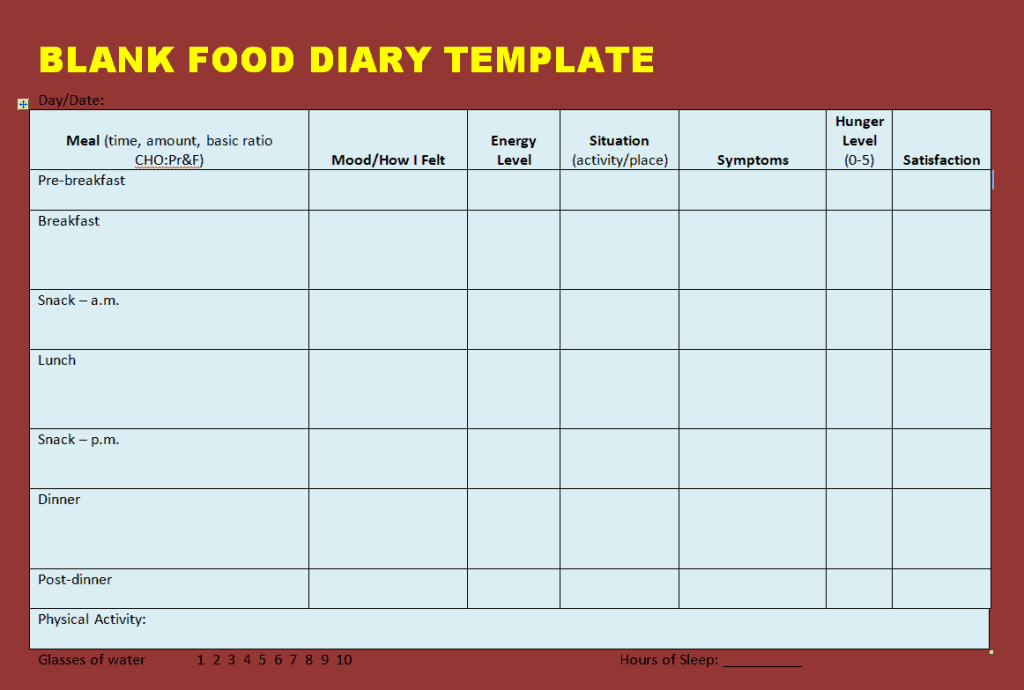
File Size: 12 KB
File Type: MS WORD
Food Diary Example with Food Group
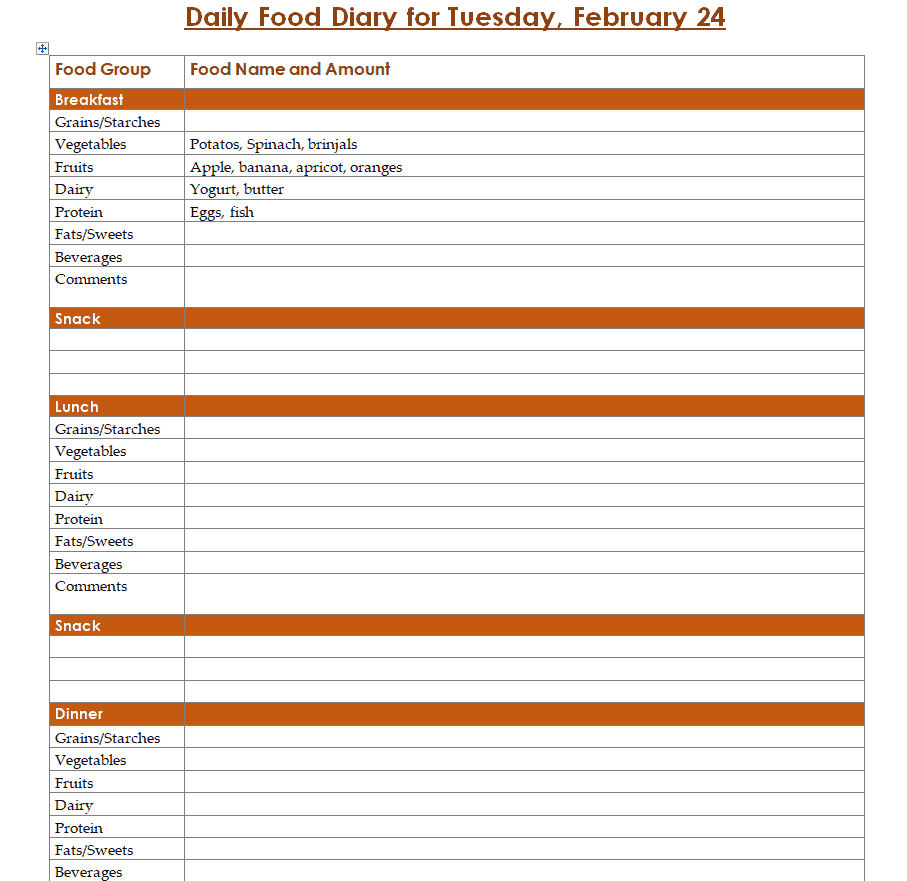
File Size: 14 KB
File Type: MS WORD
Easy to Use Food Diary Template
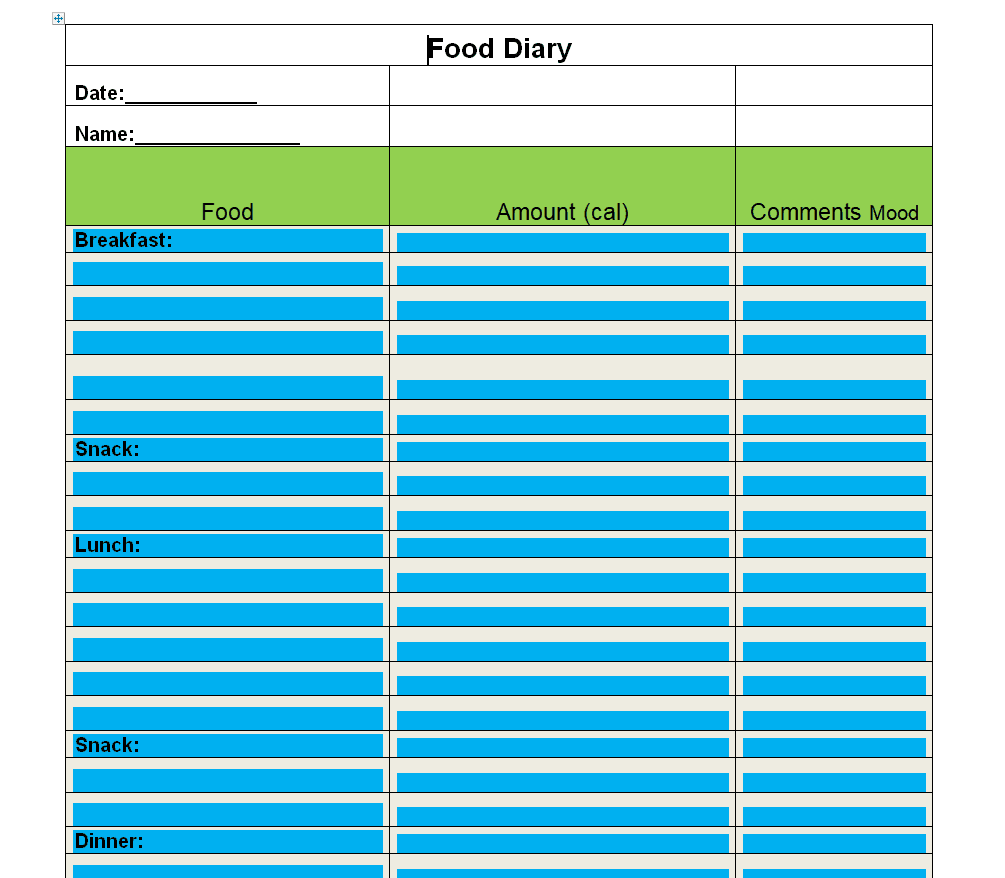
File Size: 13 KB
File Type: MS WORD
Practical Food Diary Template
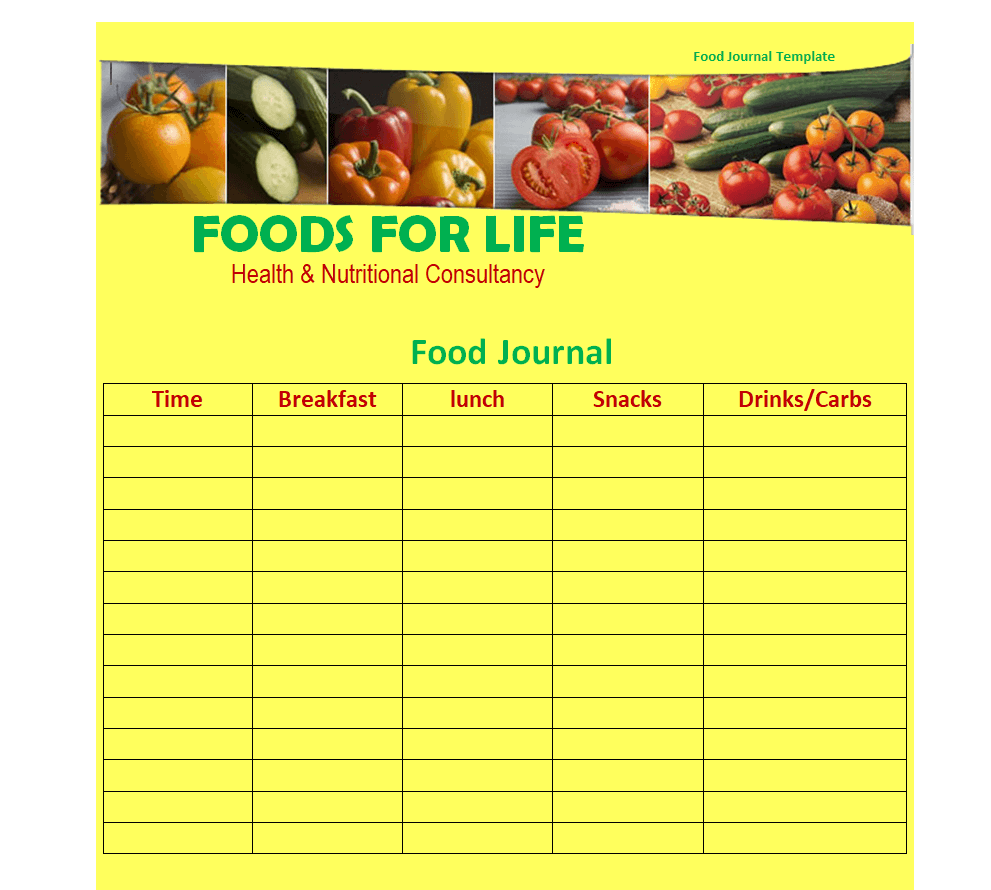
File Size: 213 KB
File Type: MS WORD
Standard Food Diary Template
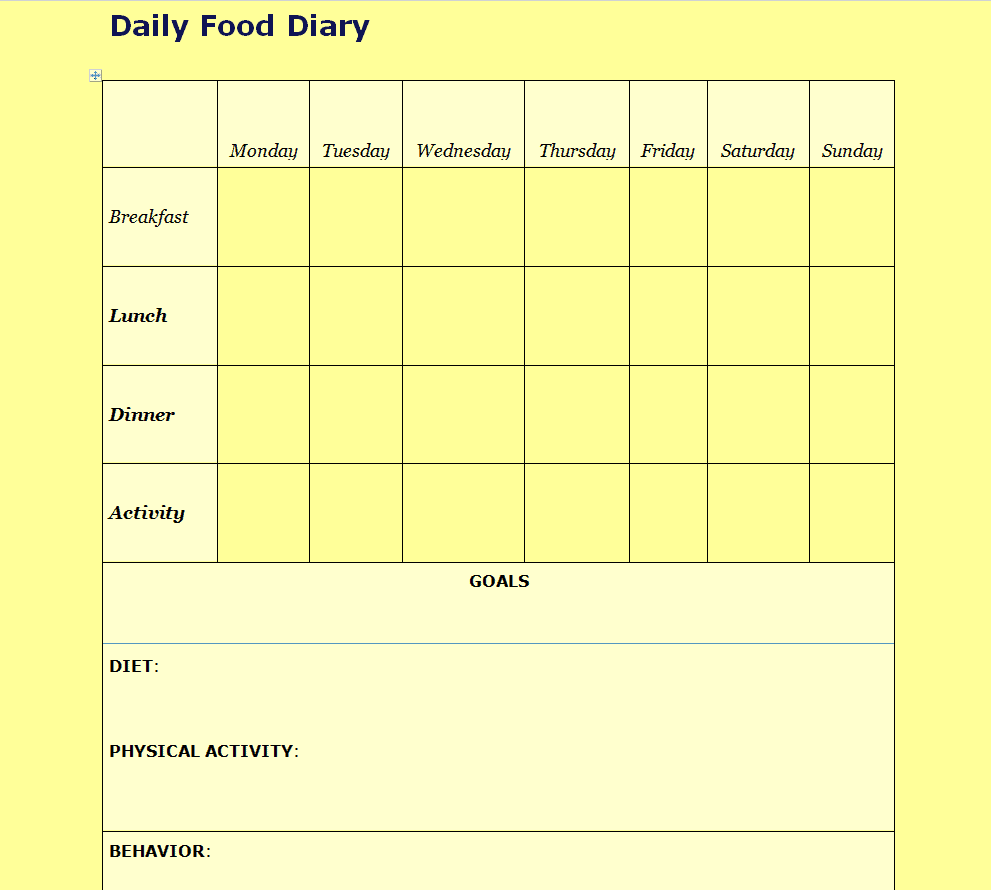
File Size: 16 KB
File Type: MS WORD
Sample Food Diary Format Template
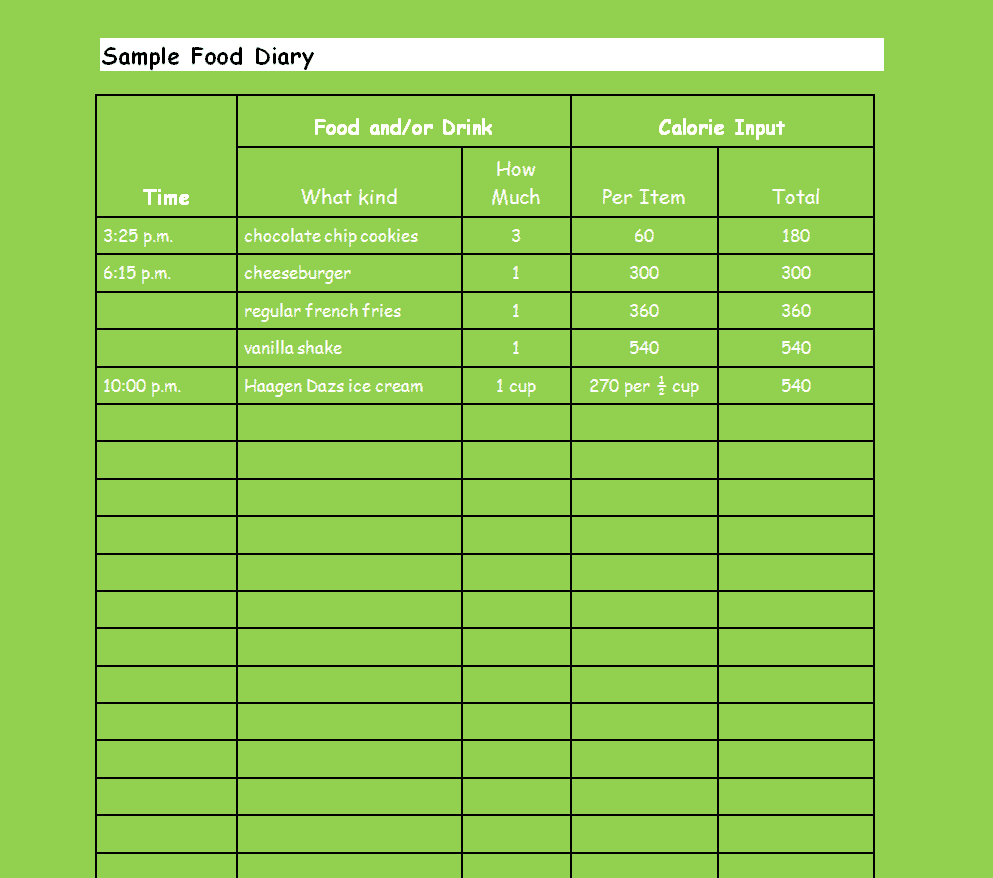
File Size: 13 KB
File Type: MS WORD
Simple Food Diary Template
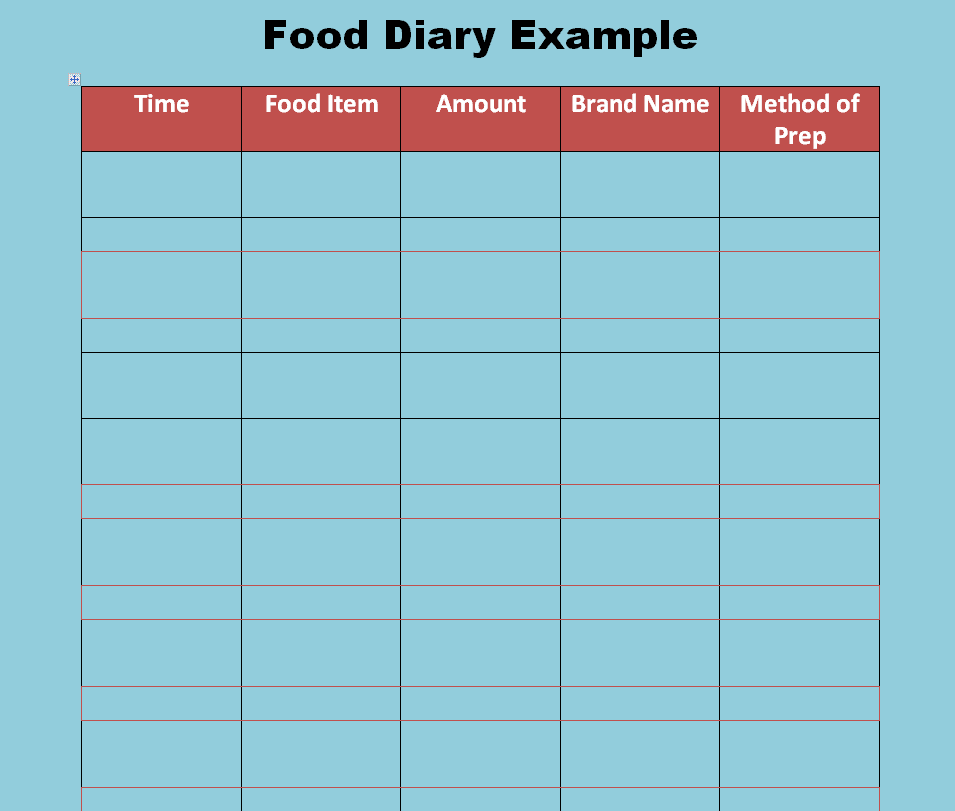
File Size: 13 KB
File Type: MS WORD
❓ Frequently Asked Questions (FAQs) about Food Diary / Food Log Templates
Q1. What is a food diary or food log template?
A food diary (or food log) template is a structured document that helps you record what you eat and drink throughout the day. It usually includes sections for meals, snacks, portion sizes, calories, and sometimes notes about mood, activity, or hydration.
Q2. Why should I use a food diary template?
Keeping a food diary helps you:
- Track eating habits and portion sizes
- Identify patterns that affect energy or mood
- Support weight management or fitness goals
- Share accurate records with a nutritionist or doctor
Q3. What should be included in a food diary template?
A good template often has:
- Date and day of the week
- Meal categories (breakfast, lunch, dinner, snacks)
- Time of each meal
- Food and drink items
- Portion sizes or calories (optional)
- Notes on mood, activity, or symptoms
Q4. Who can benefit from using a food log?
Anyone can benefit — from people trying to lose or gain weight, to athletes monitoring nutrition, to individuals managing health conditions like diabetes, digestive issues, or food allergies.
Q5. How do food diary templates help with weight loss?
By writing down everything you eat, you become more mindful of your choices. Many people discover hidden calories in snacks or drinks and make healthier decisions once they see their habits clearly.
Q6. Can I customize a food diary template?
Yes. Templates are flexible — you can add sections for water intake, exercise, or even sleep quality. Some people prefer simple daily logs, while others want detailed nutritional breakdowns.
Q7. Are food diary templates only for calorie counting?
Not at all. While calorie tracking is common, many people use food logs to monitor nutrient balance, portion control, or how certain foods affect their mood, digestion, or energy levels.
Q8. What formats are food diary templates available in?
Most are available in Word, Excel, Google Docs, Google Sheets, and PDF.
- Word/Docs: Easy for printing and handwriting.
- Excel/Sheets: Great for automatic calculations and charts.
- PDF: Simple for quick daily use.
Q9. How often should I update my food diary?
For best results, update it in real time — right after each meal or snack. Waiting until the end of the day often leads to forgotten details.
Q10. Where can I find free food diary templates?
Websites like DailyLifeDocs.com, health blogs, and fitness platforms often provide free, customizable templates you can download and start using immediately.