Bill Payment Schedule Templates to Track Due Dates
Late fees, service interruptions and damage to your credit score often come from one simple problem: forgetting when a bill is due. A bill payment schedule solves that by listing every bill you pay, how much it costs and the exact due date, all on one page. Whether you manage a household budget or the accounts of a small business, a printable bill payment schedule template keeps you organized and helps you pay every bill on time.
Most people are paid on fixed dates, weekly, every two weeks or monthly, while utility companies, landlords, lenders and credit card providers expect payment on their own schedule. A monthly bill tracker lets you match each bill to the paycheck that will cover it, so you always know how much money is already committed and how much is left for everyday spending and savings.
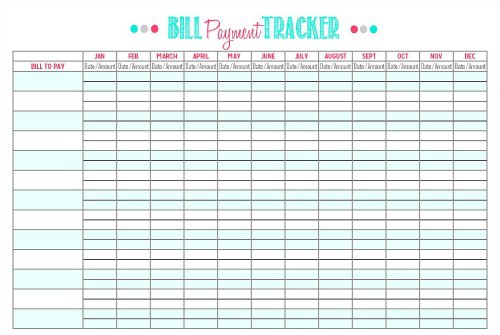
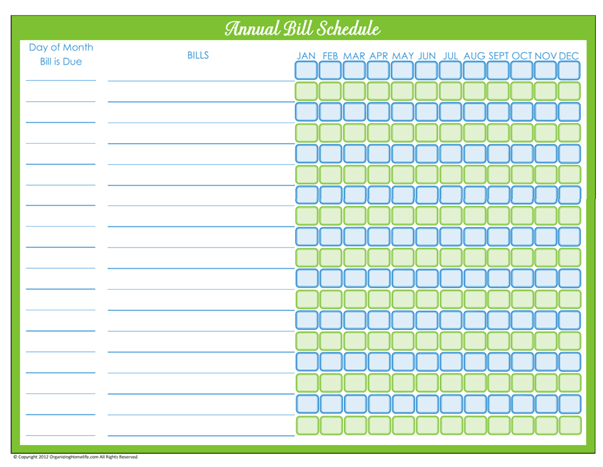
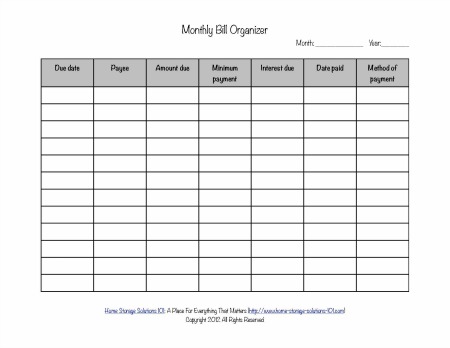
On this page you can download 3 free bill payment schedule templates, including a bill payment tracker, a classic bill payment schedule and a printable monthly bill organizer. Each template lets you record the bill name, amount, due date, payment method, account used and the date you actually paid, so you also build a clear record of every payment made.
Who uses a bill payment schedule? Families tracking rent or mortgage, utilities, phone, internet, insurance and subscriptions; students managing tuition and loan payments; retirees on a fixed income; and small business owners keeping on top of rent, supplier invoices, loan instalments and tax payments.
Find Bill Payment Schedule Templates Here

What to Include in a Bill Payment Schedule
Bill name and payee: Write the company or person you pay, such as the electricity provider, landlord, bank or credit card issuer.
Amount due: Record the fixed amount, or an estimate for bills that change each month such as electricity, gas and water.
Due date: Note the exact date payment must be received, not the date you plan to send it.
Payment method: Mark whether the bill is paid by automatic debit, bank transfer, card, cheque or cash.
Account or card used: Note which bank account or card the money comes from so you can keep enough funds available.
Date paid and confirmation number: Record when you paid and any reference number in case you need to prove payment later.
Status: Add a simple paid/unpaid tick box so you can see at a glance what is still outstanding.
How to Use a Bill Payment Tracker
Step 1, list every bill: Go through your bank statements for the last two or three months and write down every recurring payment, including annual and quarterly bills that are easy to forget.
Step 2, sort by due date: Arrange the bills in date order so the schedule follows the calendar month.
Step 3, match bills to paydays: Mark which paycheck will cover each bill, especially if you are paid every two weeks.
Step 4, review weekly: Spend five minutes each week checking what is due in the next seven days and ticking off what has been paid.
Step 5, update monthly: At the start of each month, print a fresh copy or reset the spreadsheet, and update any amounts that have changed.
Tip: Set up automatic payments for fixed bills such as rent, loans and insurance, but still list them on your schedule so you can check that each payment actually went through. Keep a small buffer in your account to cover bills that vary from month to month.
Types of Bill Payment Schedules
Monthly bill payment schedule: The most popular layout. It lists every bill due in one calendar month and is ideal for households paid once a month. Print a new copy at the start of each month and tick off bills as you pay them.
Bi-weekly bill schedule: If you are paid every two weeks, split your bills into two groups, one for each paycheck. This prevents the common problem of one paycheck covering almost every bill while the other is left untouched.
Weekly bill planner: Useful for freelancers, shift workers and anyone with irregular income. You review the coming week, pay what is due and set money aside for bills that fall in the following week.
Yearly bill calendar: A 12-month overview of bills that do not arrive every month, such as car insurance, home insurance, vehicle registration, property tax, school fees, software licences and annual memberships. Dividing each annual amount by 12 shows how much to save every month.
Business bill payment schedule: Small businesses can use the same templates to track rent, utilities, supplier invoices, equipment leases, loan repayments, payroll taxes and sales tax deadlines, which makes month-end bookkeeping much easier.
Common Bills to Add to Your Schedule
Housing: rent or mortgage, property tax, home or renters insurance, maintenance or association fees.
Utilities: electricity, gas, water, sewerage, trash collection, internet, mobile phone and landline.
Transport: car loan or lease, fuel cards, car insurance, registration, parking permits and public transport passes.
Debt repayments: credit cards, personal loans, student loans and any payment plans you have agreed with lenders.
Insurance and health: health, life and dental insurance premiums, plus regular prescriptions or medical payment plans.
Subscriptions: streaming services, gym memberships, software, cloud storage, magazines and apps. These small amounts are easy to forget and add up quickly.
Family and education: school or college fees, childcare, tuition, sports clubs and lessons.
Benefits of Using a Bill Payment Schedule
No more late fees: Seeing every due date in advance means you pay on time and avoid penalties and interest charges.
Better cash flow: You know exactly how much of each paycheck is already committed, so there are fewer surprises when bills arrive.
Easier budgeting: A full list of fixed costs is the starting point for any household or business budget, and it shows where you can cut back.
Clear payment records: Dates and confirmation numbers on your schedule help you settle disputes quickly if a company says a payment was not received.
Less stress: Instead of worrying about what you may have forgotten, you can check one page and know where you stand.
How to Plan Bills Around Your Payday
Write down your pay dates: Add each expected paycheck to the top of your schedule with the date and the amount you take home after tax.
Assign each bill to a paycheck: Bills due between the 1st and the 14th are usually paid from the first paycheck of the month, and bills due later from the second. Move a bill to an earlier paycheck if paying it a few days early is safer.
Ask about due date changes: Many utility providers, lenders and card issuers will move your due date if you ask. Spreading bills evenly across the month can make your cash flow much smoother.
Build a small buffer: Keep a little money in your bill account at all times so a higher than expected electricity or phone bill does not cause a missed payment.
Save for irregular bills: Add a monthly savings line for annual and quarterly bills so the money is ready when they arrive.
Frequently Asked Questions
What is a bill payment schedule?
It is a list or calendar of all the bills you need to pay, showing the amount, due date and payment status of each one.
How do I make a bill payment schedule?
List every recurring bill, add its amount and due date, sort them by date and track each payment as you make it. A ready-made template makes this quick.
Should I use a monthly or yearly bill tracker?
A monthly tracker is best for day-to-day bills, while a yearly overview helps you plan for annual costs such as insurance renewals, taxes and memberships.
Can a bill payment schedule help my credit score?
Paying bills on time is one of the most important factors in most credit scores, so a schedule that prevents late payments can help protect your score.
Can small businesses use these templates?
Yes. Businesses can track rent, utilities, supplier invoices, loan instalments and tax payments with the same templates.
What bills should I include in a bill payment schedule?
Include every recurring payment: rent or mortgage, utilities, phone and internet, insurance, loan and credit card payments, subscriptions, school fees and any annual bills such as taxes or registration.
How often should I update my bill payment schedule?
Check it weekly to see what is coming up, and update it monthly with new amounts, new bills or bills you have cancelled.
Are these bill payment schedule templates free?
Yes. All 3 bill payment schedule templates on this page are free to download and edit.
Managing bills is easier with the right documents. Spread larger debts over time with our payment plan schedule templates, plan future income and spending with a cash flow forecast, and keep proof of payment with our cash payment receipt templates and business receipt templates. Businesses can also record supplier bills with these purchase invoice templates.
Final Thoughts
A simple bill payment schedule is one of the easiest ways to avoid late fees and stay in control of your money. Download a template above, list all your bills and due dates, and check it every week to make sure nothing is missed.