Comprehensive Guide to Bill of Materials (BOM) Templates
Every physical product—from an everyday electric kettle to an industrial drone—is the sum of individual parts, raw materials, fasteners, sub-assemblies, and packaging materials. Before initiating manufacturing, scaling production, or calculating accurate unit costs, maintaining absolute clarity over every single component is mandatory.
This requirement is fulfilled by a Bill of Materials (BOM).
A Bill of Materials serves as the master blueprint and centralized recipe for manufacturing a product. Utilizing a structured, pre-formatted Bill of Materials template minimizes costly production errors, streamlines supply chain communication, and keeps manufacturing projects within budget.
What is a Bill of Materials (BOM) Template?
A Bill of Materials (BOM) template is a structured document that itemizes every raw material, part, sub-assembly, intermediate component, and fast-moving component required to build, manufacture, or repair a physical product. Beyond a simple list of parts, a comprehensive BOM template includes operational details such as:
- Item Identification: Unique stock-keeping unit (SKU) numbers, part numbers, and descriptive names.
- Quantities & Units of Measure: Specific measurements (e.g., pieces, grams, meters, liters) necessary to construct a single finished unit.
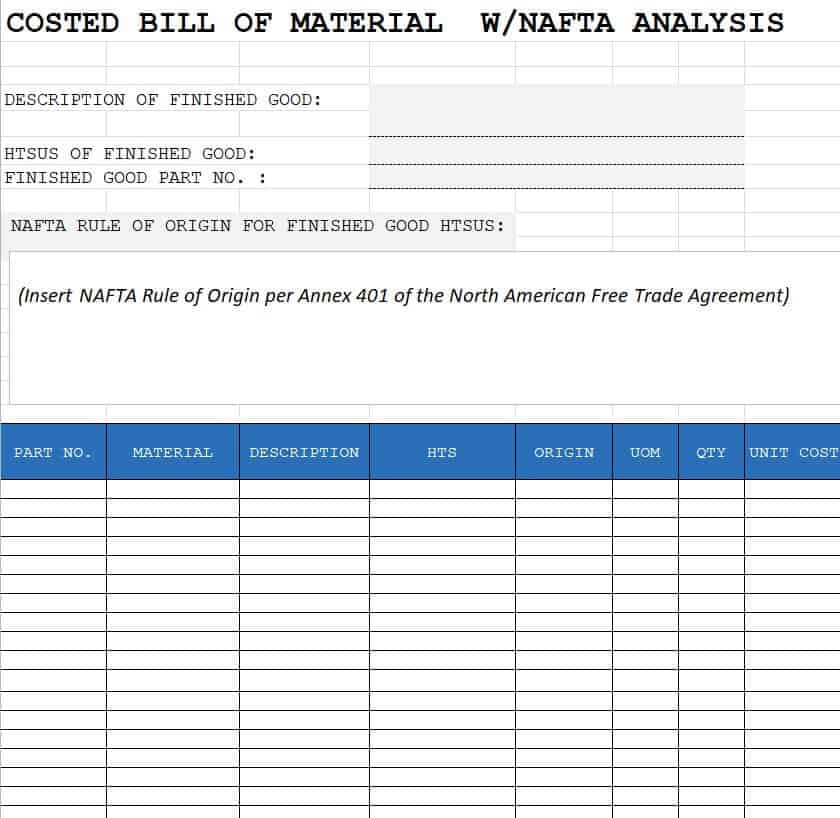
- Costing Metrics: Individual unit costs, subtotal costs, and total extended costs.
- Sourcing Data: Vendor names, lead times, and procurement flags (make vs. buy decisions).
- Assembly Hierarchy: Structural relationships showing how individual sub-assemblies fit into the primary assembly.
In short, a BOM template converts complex product architecture into an actionable, readable framework for procurement managers, shop-floor operators, design engineers, and financial analysts.
The Core Types of Bill of Materials (BOM) Templates
Different departments interact with a product at distinct stages of its lifecycle. Selecting the appropriate BOM format ensures relevant teams receive targeted, actionable data.
                  ┌─────────────────────────────────────────┐
                  │        Bill of Materials (BOM)          │
                  └────────────────────┬────────────────────┘
                                       │
        ┌──────────────────────────────┼──────────────────────────────┐
        ▼                              ▼                              ▼
┌───────────────┐              ┌───────────────┐              ┌───────────────┐
│  Engineering  │              │ Manufacturing │              │  Configurable │
│    (EBOM)     │              │    (MBOM)     │              │    (CBOM)     │
└───────────────┘              └───────────────┘              └───────────────┘
1. Engineering Bill of Materials (EBOM)
Created during the design and development phase by CAD engineers, the Engineering BOM (EBOM) focuses on product structure according to design specifications. It lists components, parts, and sub-assemblies as designed, often omitting packaging materials or shop-floor consumables.
2. Manufacturing Bill of Materials (MBOM)
The Manufacturing BOM (MBOM) translates design intent into real-world production. It contains all physical components from the EBOM plus items necessary to assemble the product—such as adhesives, packaging materials, safety tags, and assembly instructions. It also reflects step-by-step assembly workflows.
3. Configurable Bill of Materials (CBOM)
For products offered with multiple customizable options (such as personal computers or automotive vehicles), a Configurable BOM (CBOM) dynamically tracks specific component combinations based on customer selections.
4. Single-Level vs. Multi-Level BOMs
- Single-Level BOM: A simple, flat list that displays all parts at a single level of relationship. Ideal for uncomplicated products with few components.
- Multi-Level BOM: A hierarchical structure displaying relationships between parent assemblies, sub-assemblies, and child parts. Essential for complex hardware and machinery.
Key Components of an Effective BOM Template
To prevent stockouts, miscalculated margins, or assembly line bottlenecks, an industry-standard BOM template should contain the following fields:
| Field Name | Description | Purpose |
| BOM Level | Numerical designation (e.g., Level 1, Level 2) indicating assembly hierarchy. | Clarifies where each part fits within the complete structure. |
| Part Number | A unique internal identification code assigned to each item. | Prevents misidentification during inventory pulls. |
| Part Name | The standard, descriptive title of the component. | Aids quick recognition for assembly teams. |
| Phase / Status | Indicates whether a part is active, in review, or obsolete. | Manages design revisions and component lifecycle. |
| Quantity | The exact number of units needed per final product. | Ensures accurate purchasing and inventory planning. |
| Unit of Measure (UOM) | Standard measurement term (e.g., Each, Kg, Meters, Sets). | Avoids procurement scale misunderstandings. |
| Procurement Type | Denotes whether the item is manufactured internally or purchased externally (“Make” or “Buy”). | Drives production scheduling and supplier purchasing. |
| Unit Cost & Total Cost | Cost per single unit multiplied by quantity. | Tracks product margin and overall cost of goods sold (COGS). |
How to Create and Use a BOM Template in Excel or Word
Follow these step-by-step guidelines to set up a robust BOM tracking system for your project:
- Define Product Scope: Clarify whether you are building a Single-Level or Multi-Level BOM.
- Assign Unique Part Identifiers: Avoid duplicate part numbers. Standardize alphanumeric conventions across all inventory items.
- Establish Assembly Hierarchy: Group lower-level components under their parent sub-assemblies.
- Input Accurate Cost & Vendor Data: Contact suppliers to confirm current bulk pricing, minimum order quantities (MOQs), and lead times.
- Implement Version Control: Record revision numbers and update logs directly within the template file header to maintain data integrity across design revisions.
Sample Bill of Materials (BOM) Templates
Detailed Bill of Materials (BOM) Template
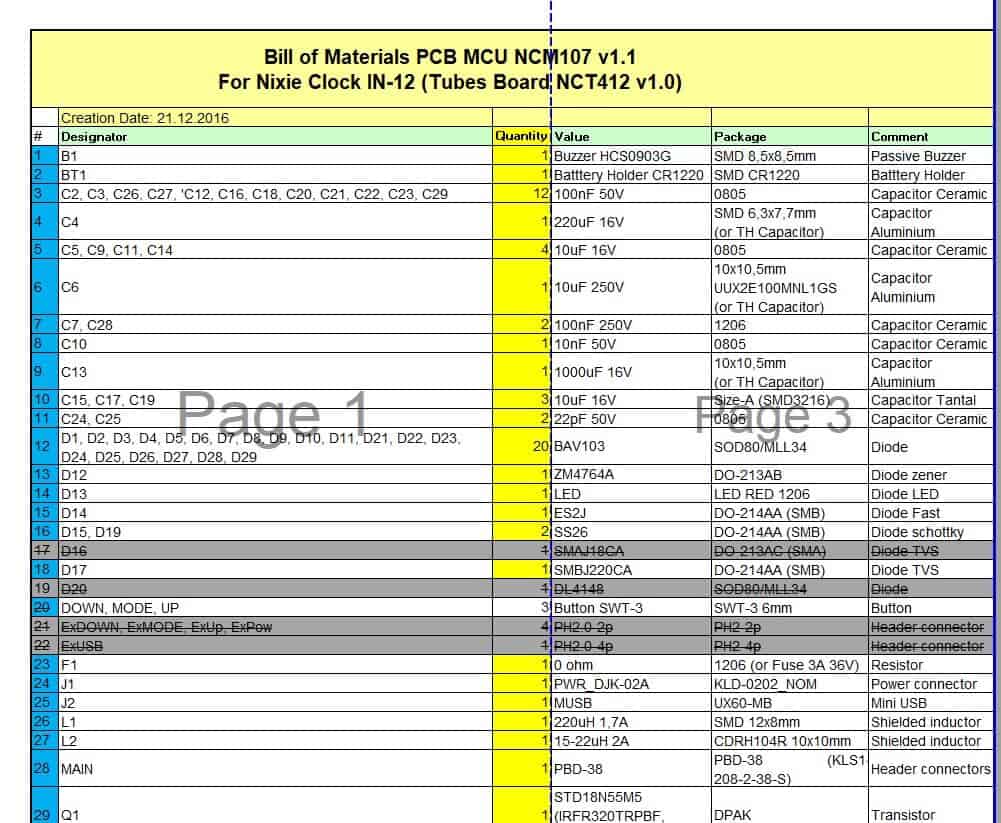
File Size: 14 KB
File Type: MS EXCEL
Generic Bill of Materials (BOM) Template
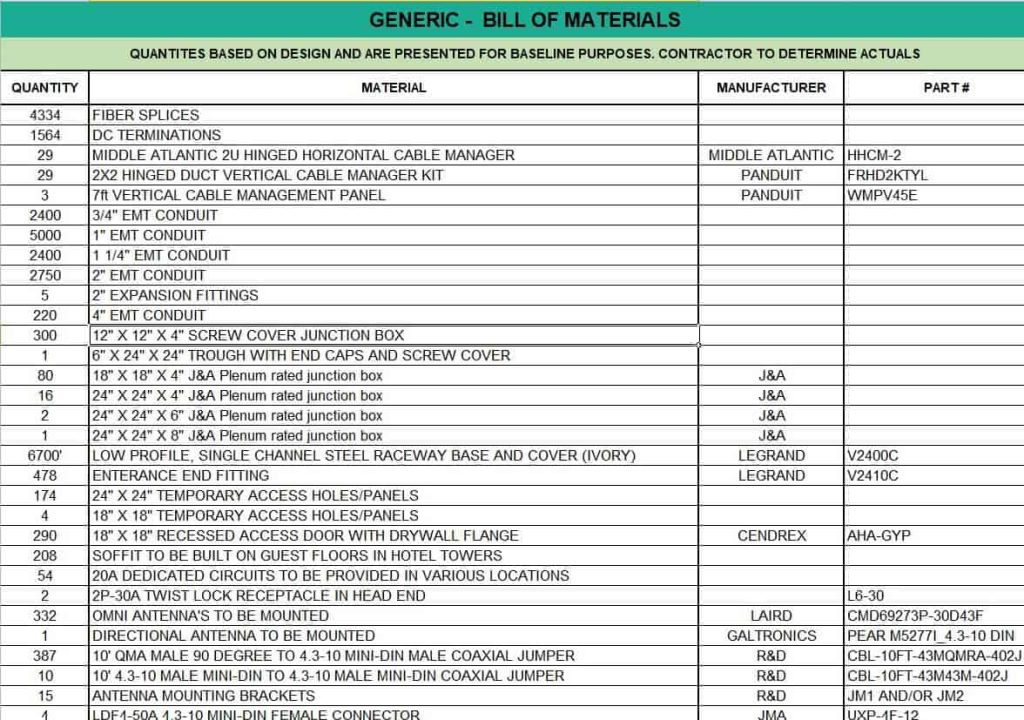
File Size: 12 KB
File Type: MS EXCEL
Special Bill of Materials (BOM) Template
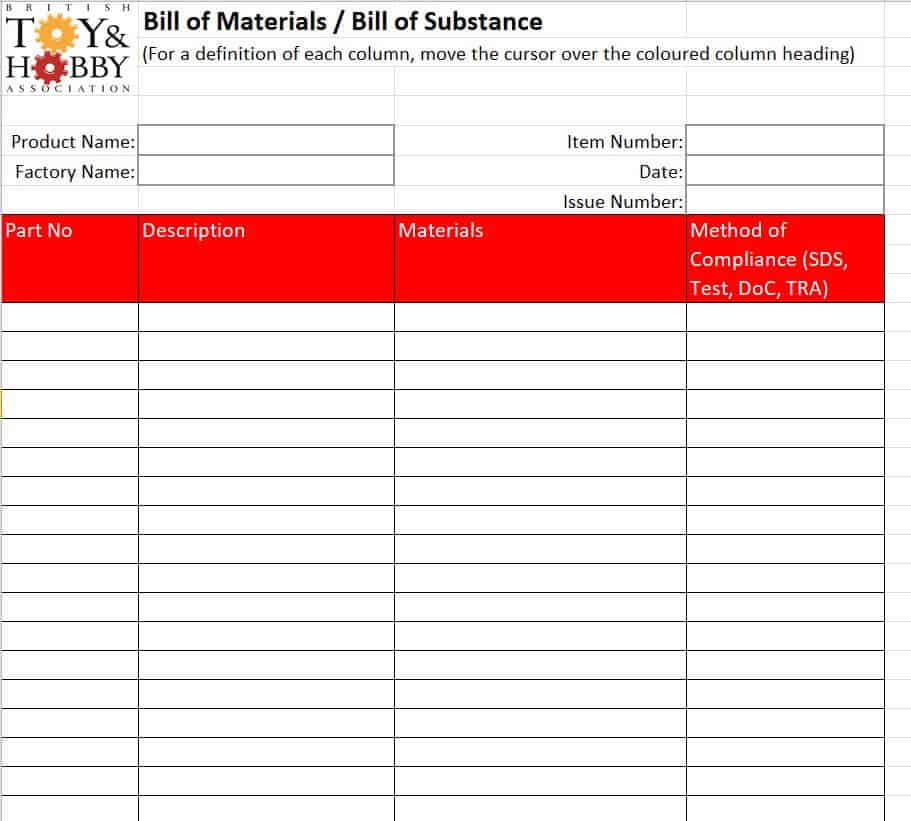
File Size: 618 KB
File Type: MS EXCEL
Simple Bill of Materials (BOM) Template
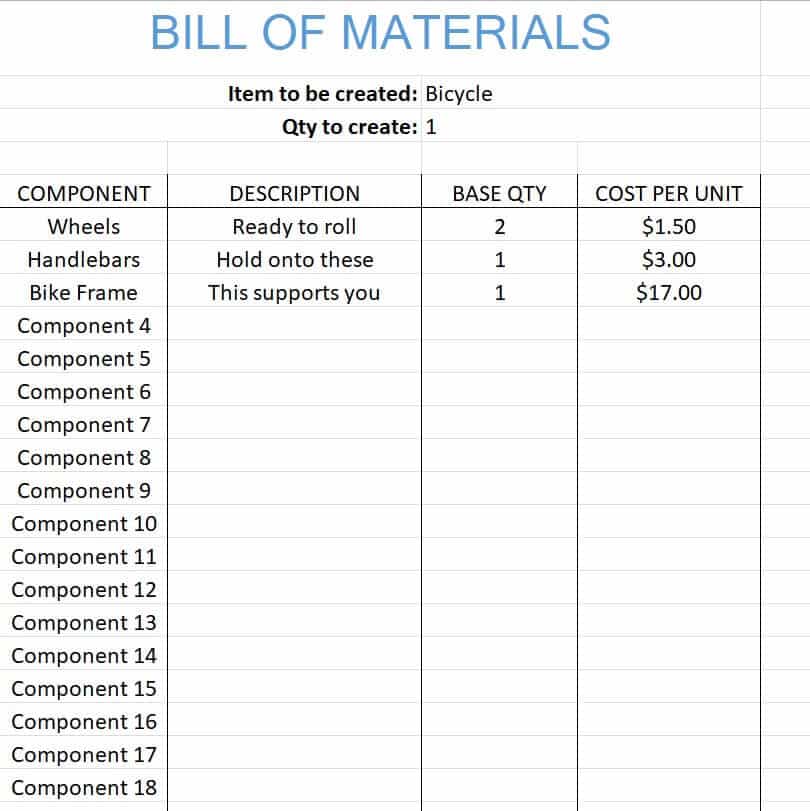
File Size: 10 KB
File Type: MS EXCEL
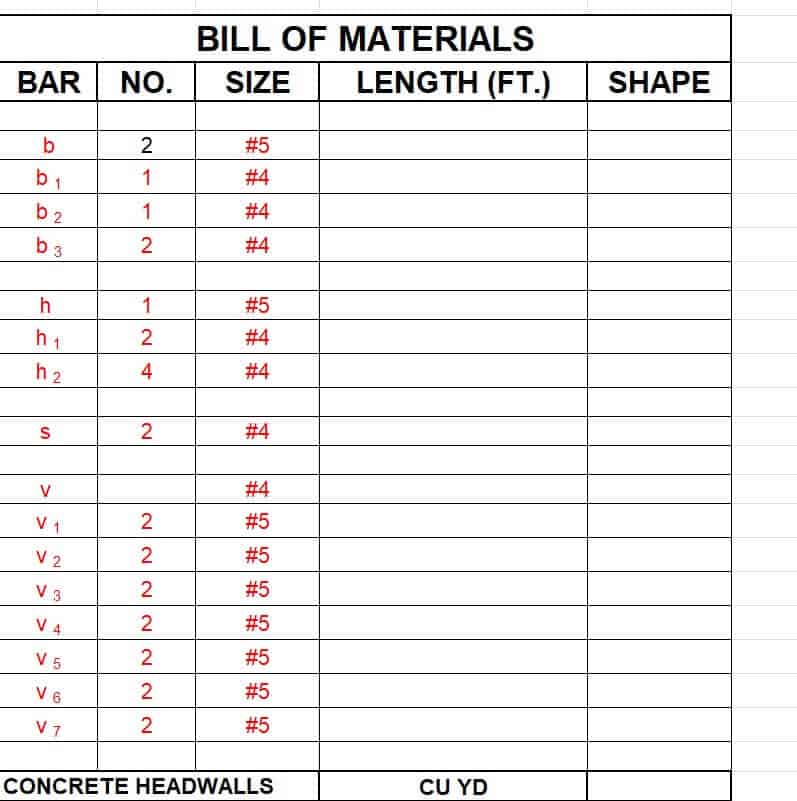
Basic Bill of Materials (BOM) Template
File Size: 16 KB
File Type: MS EXCEL
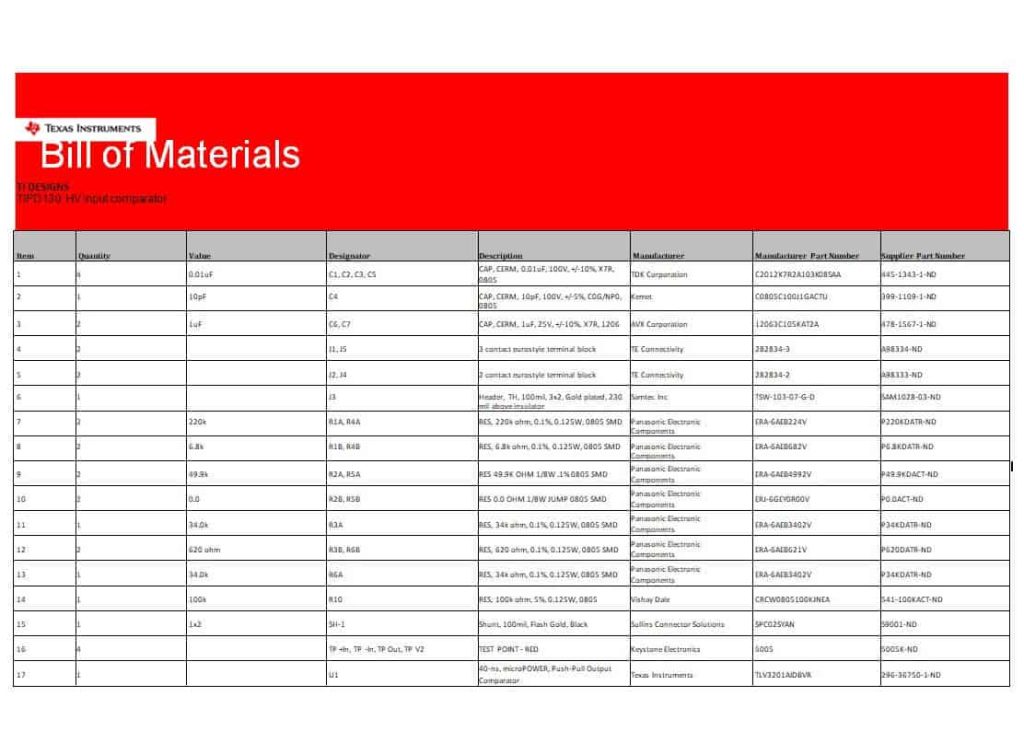
Company’s Bill of Materials (BOM) Template
File Size: 15 KB
File Type: MS WORD
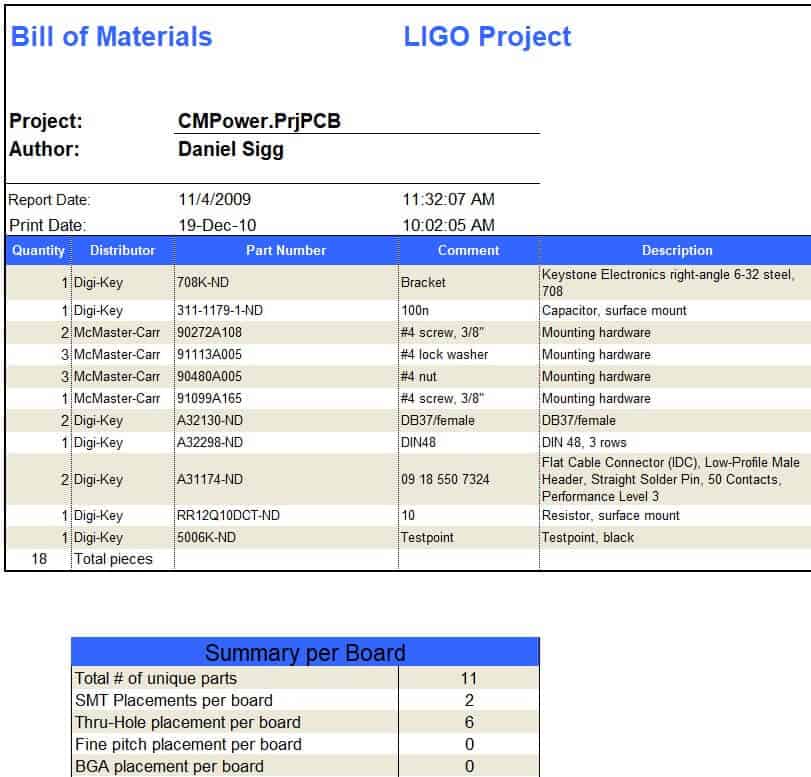
Project Bill of Materials (BOM) Template
File Size: 12 KB
File Type: MS EXCEL
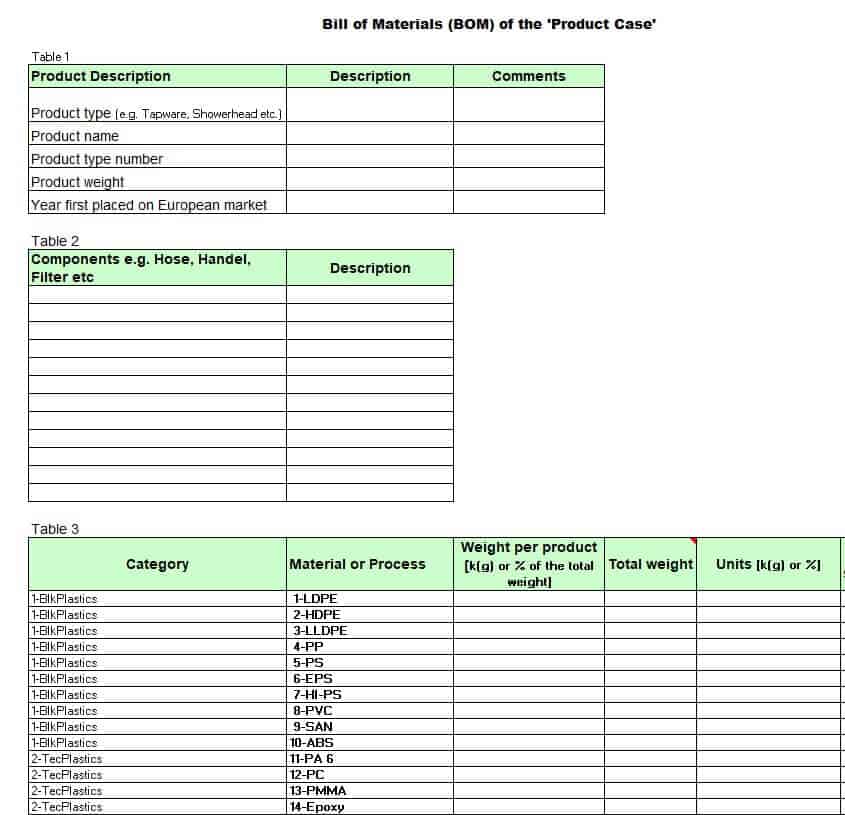
Free Editable Bill of Materials (BOM) Template
File Size: 162 KB
File Type: MS EXCEL
Single Level Bill of Materials (BOM) Template

File Size: 352 KB
File Type: MS EXCEL
Example Bill of Materials (BOM) Template
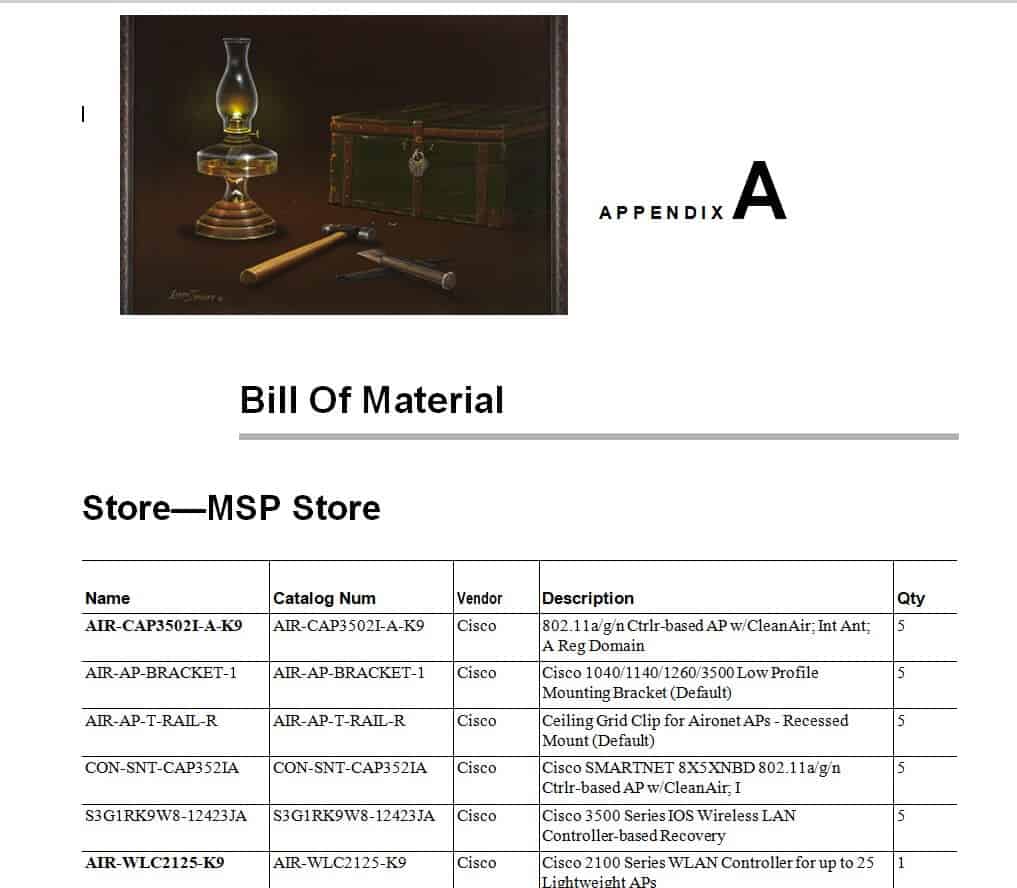
File Size: 270 KB
File Type: MS WORD
Professional Bill of Materials (BOM) Template
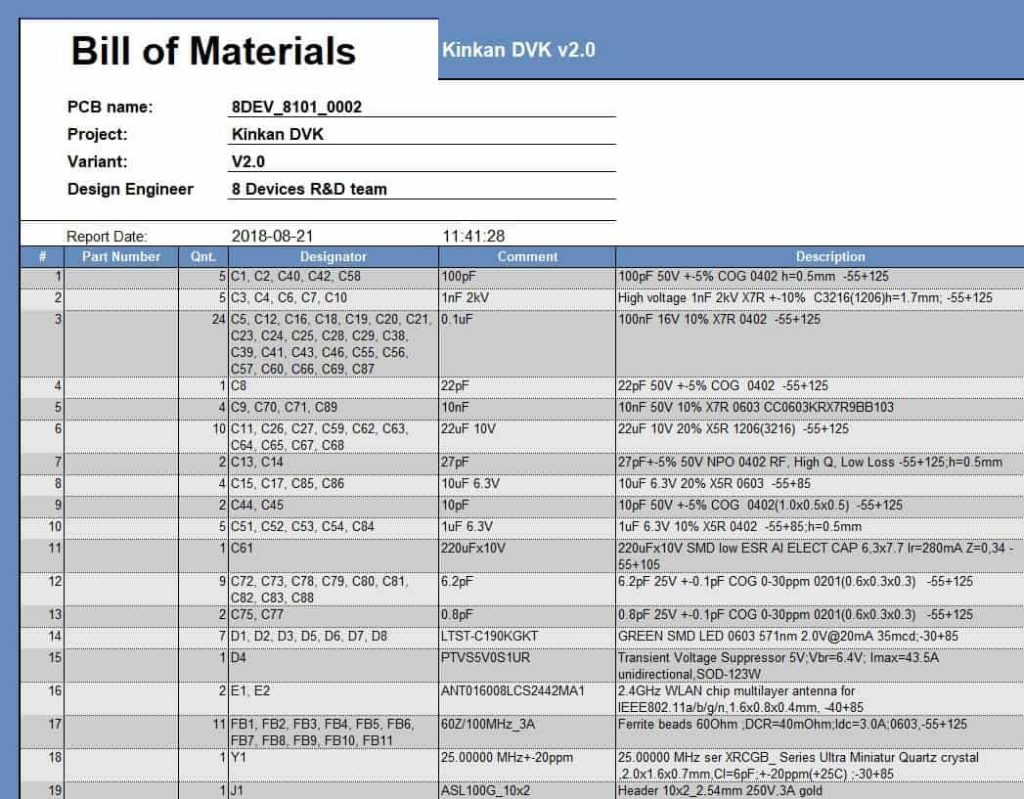
File Size: 23 KB
File Type: MS EXCEL
Bill of Materials (BOM) Format Template
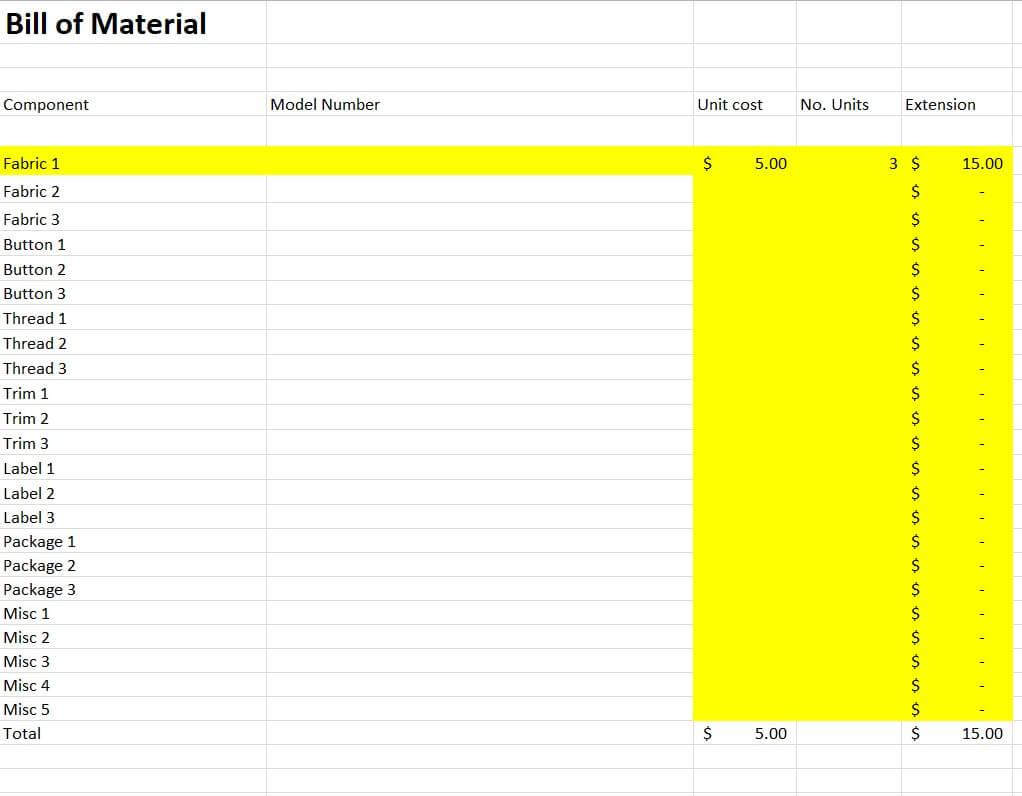
File Size: 62 KB
File Type: MS EXCEL
Commonly Used Types of Bill of Materials (BOM) Templates
As mentioned earlier, different businesses use different types of bill of materials templates. All this depends upon the type of product that you are creating. A bill of materials covers different stages involved in the completion of a product. You may have seen different examples and types of a bill of materials. However, some of the most commonly used types of bill of materials templates are defined below:
Engineering:
In this type of bill of materials template, the components or materials required for the manufacturing of a product depend upon the design created by the product’s engineer. It means that instead of just listing out the components or materials required for a product, this type of BOM template indicates the engineering needs of a product.
Modular:
The modular BOM template of the product consists of a hierarchical list of materials or components. Such a model makes it easy to identify the sub-parts and sub-assemblies required for the completion of a product. The most important thing here in this type of BOM template is that you must organize the components properly so as to make it easy for the reader to understand.
Configurable:
This type of BOM template requires the creator to properly organize the part combinations for each variation of the product. A configuration BOM is used in the case where a product offers several settings or options.
Equipment:
As the name suggests, this type of BOM template lists out all the equipment and tools that are required for creating a product. This BOM template does not specify the materials or components needed for the product.
Manufacturing:
A manufacturing BOM template consists of a list of all the physical materials or components that are required for the manufacturing of a product. Such a BOM template is only used for physical and tangible products.
More Bill of Materials (BOM) Templates
Multi Level Bill of Materials (BOM) Template
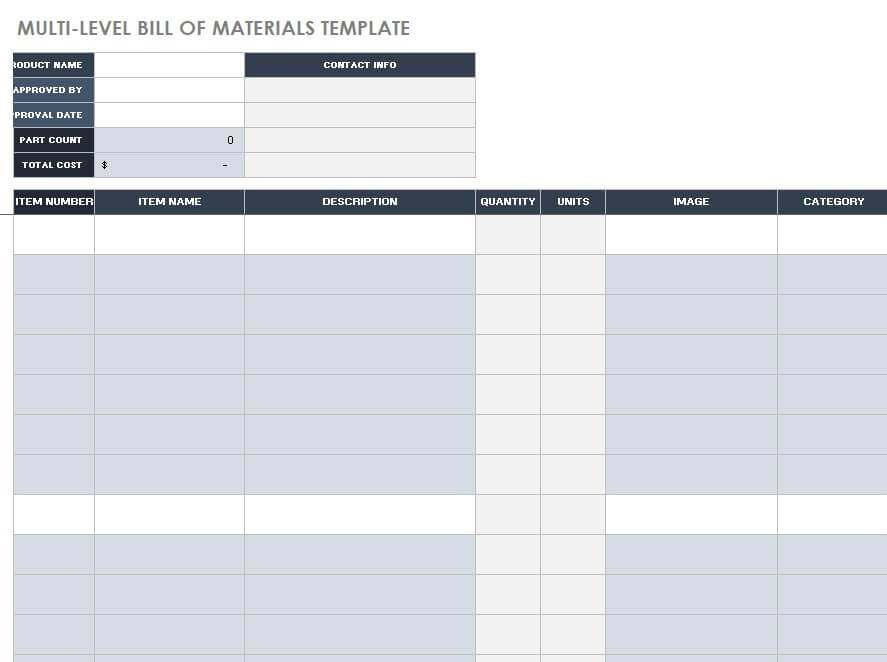
File Size: 356 KB
File Type: MS EXCEL
Modular Bill of Materials (BOM) Template
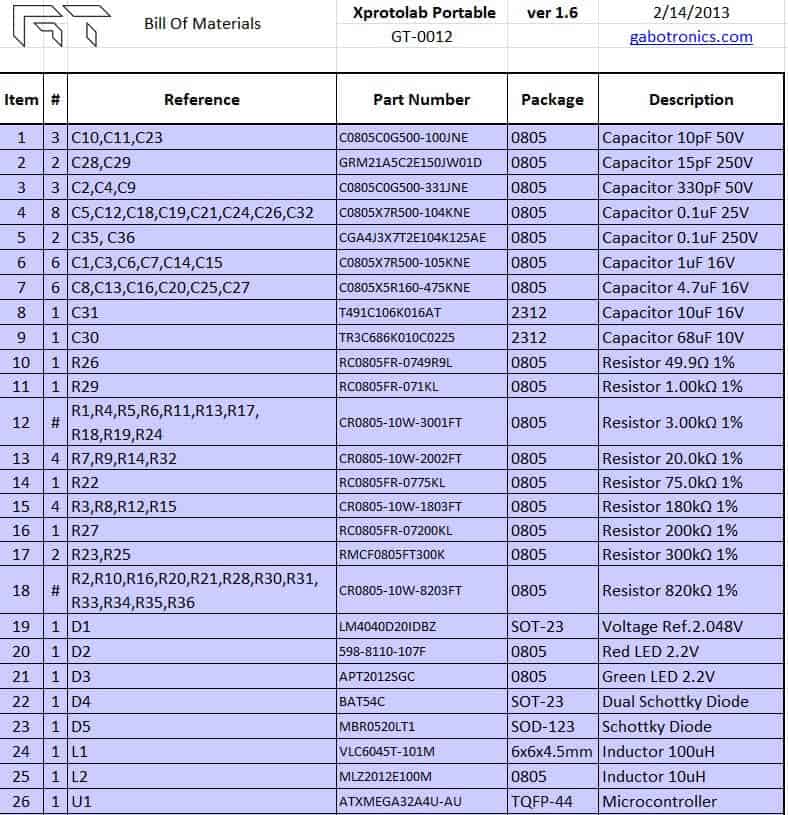
File Size: 16 KB
File Type: MS EXCEL
Bill of Materials (BOM) Tool Template
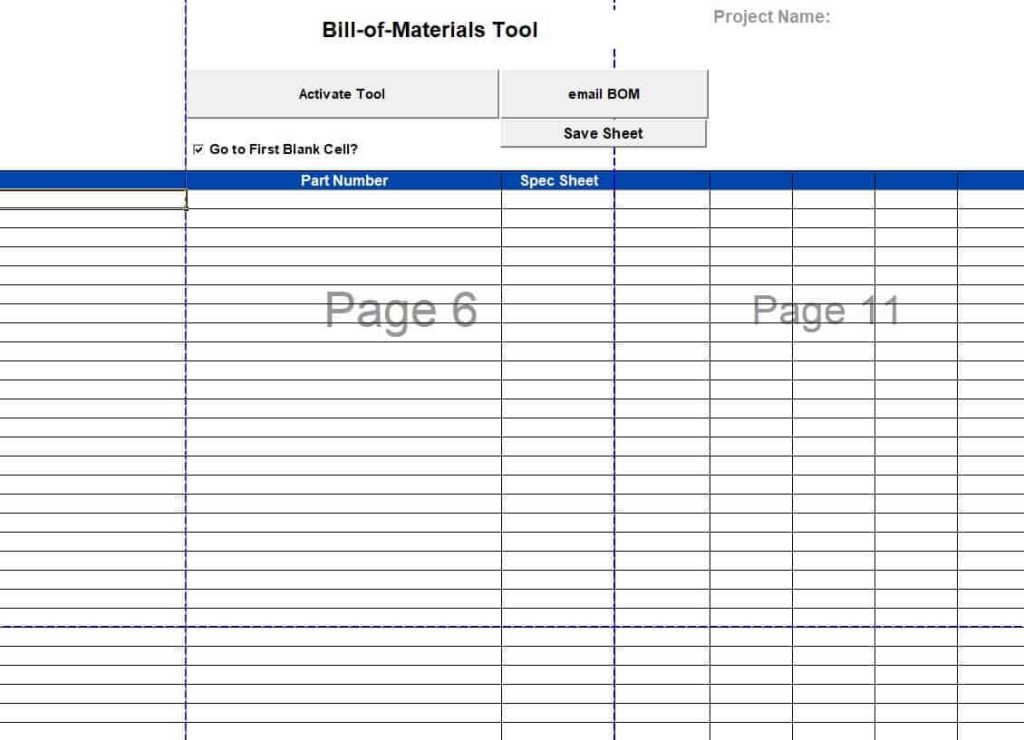
File Size: 4 MB
File Type: MS EXCEL
Official Bill of Materials (BOM) Template
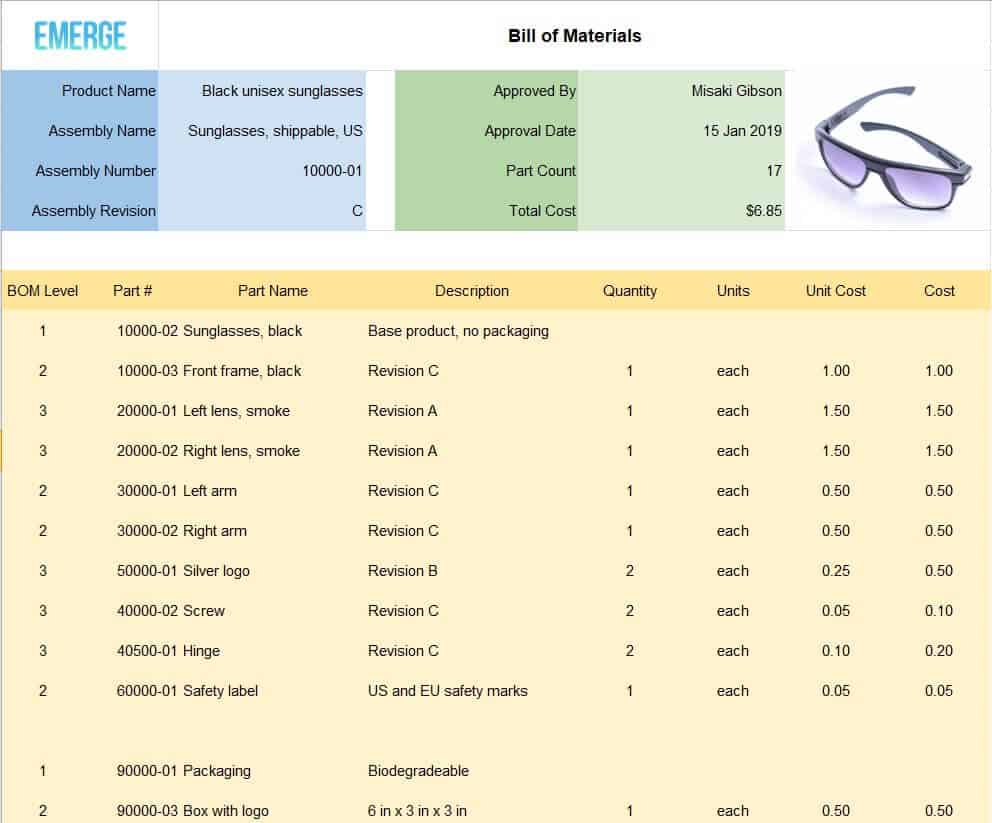
File Size: 47 KB
File Type: MS EXCEL
Manufacturing Bill of Materials (BOM) Template
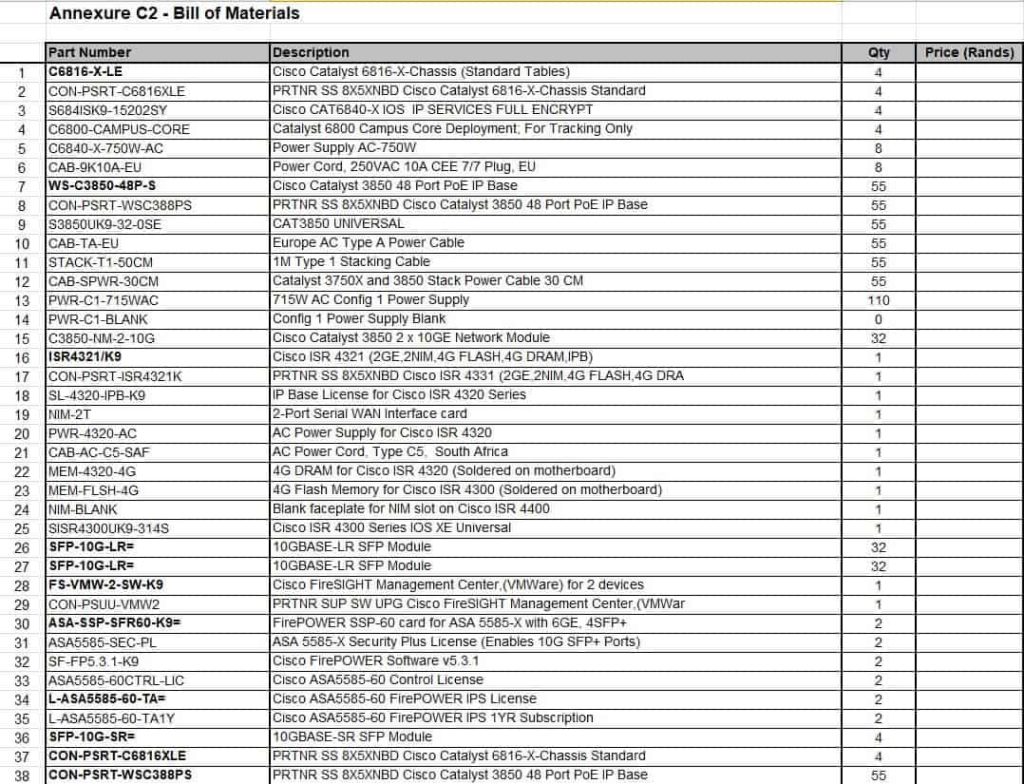
File Size: 35 KB
File Type: MS EXCEL
Sample Costed Bill of Materials (BOM) Template
File Size: 17 KB
File Type: MS EXCEL
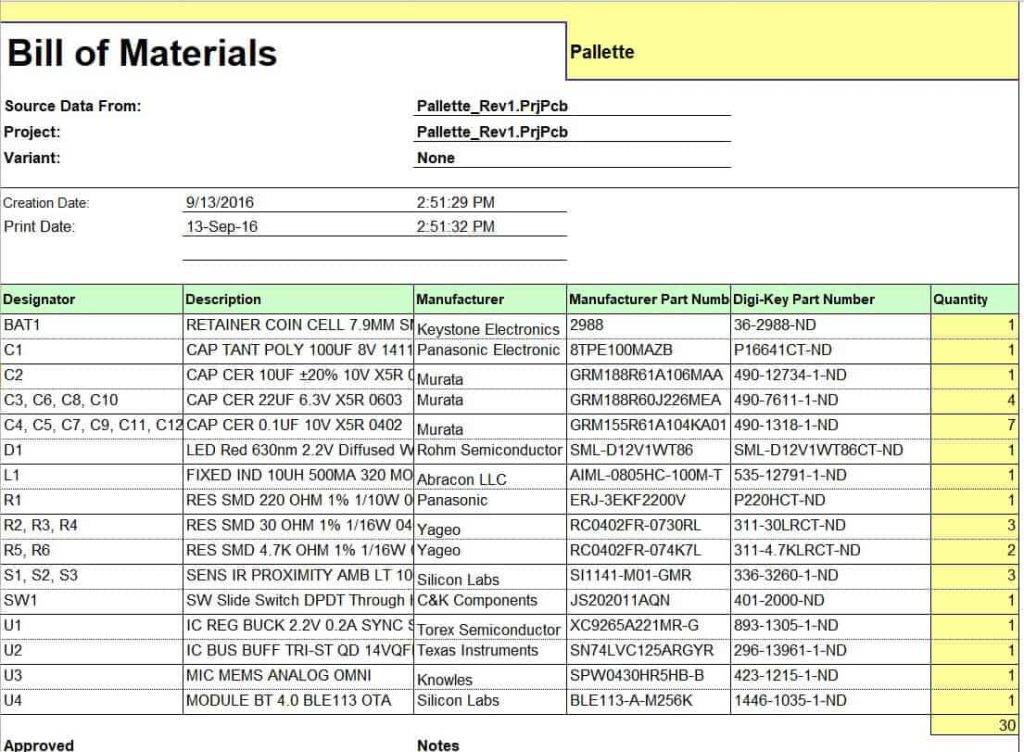
Equipment Bill of Materials (BOM) Template
File Size: 11 KB
File Type: MS EXCEL
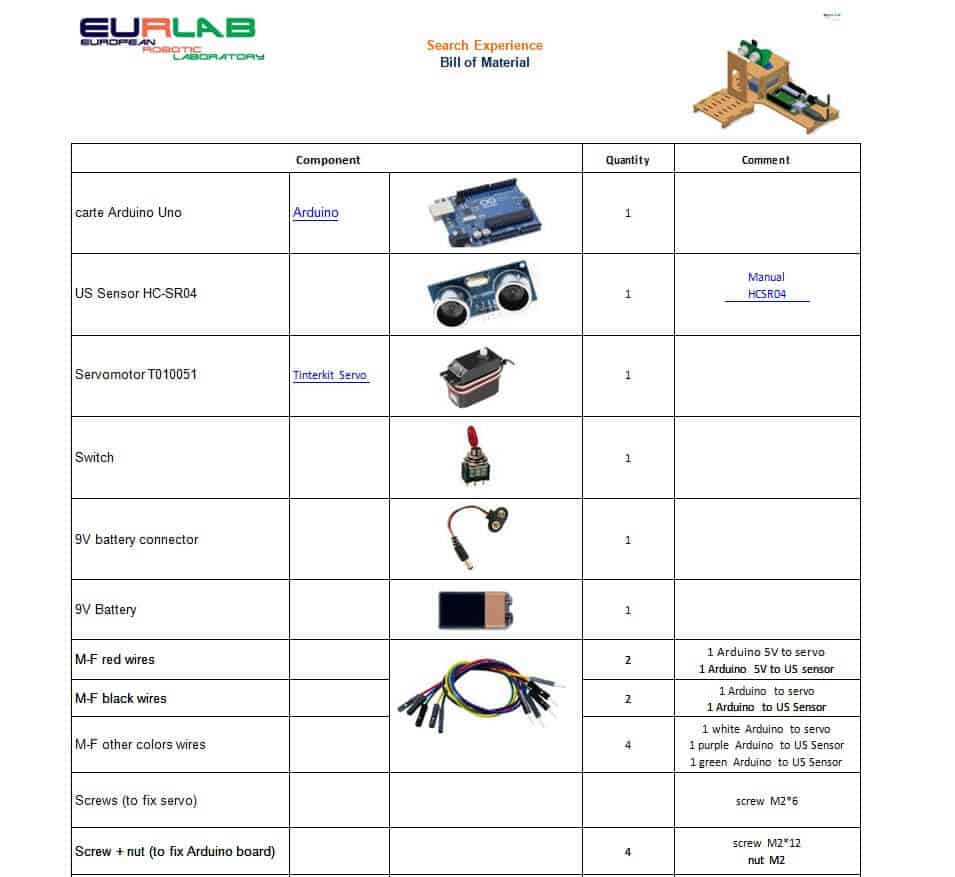
Bill of Materials (BOM) Template with Images
File Size: 130 KB
File Type: MS WORD
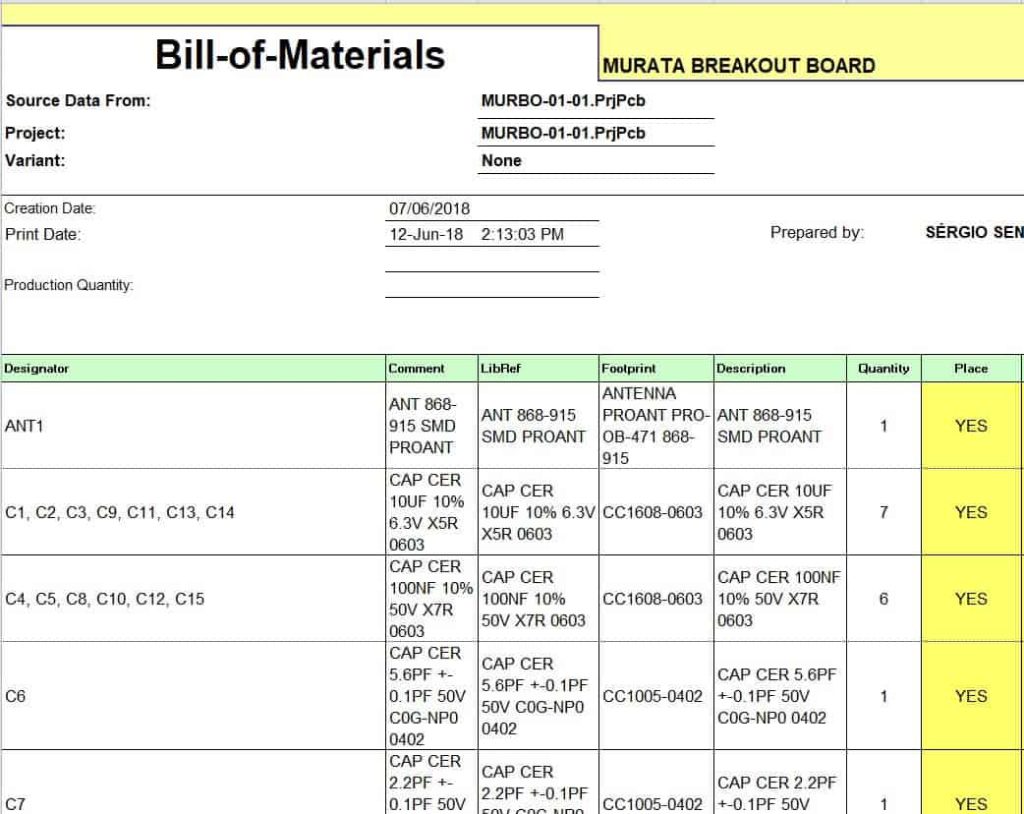
Proper Bill of Materials (BOM) Template
File Size: 24 KB
File Type: MS EXCEL
Customizable Product’s Bill of Materials (BOM) Template
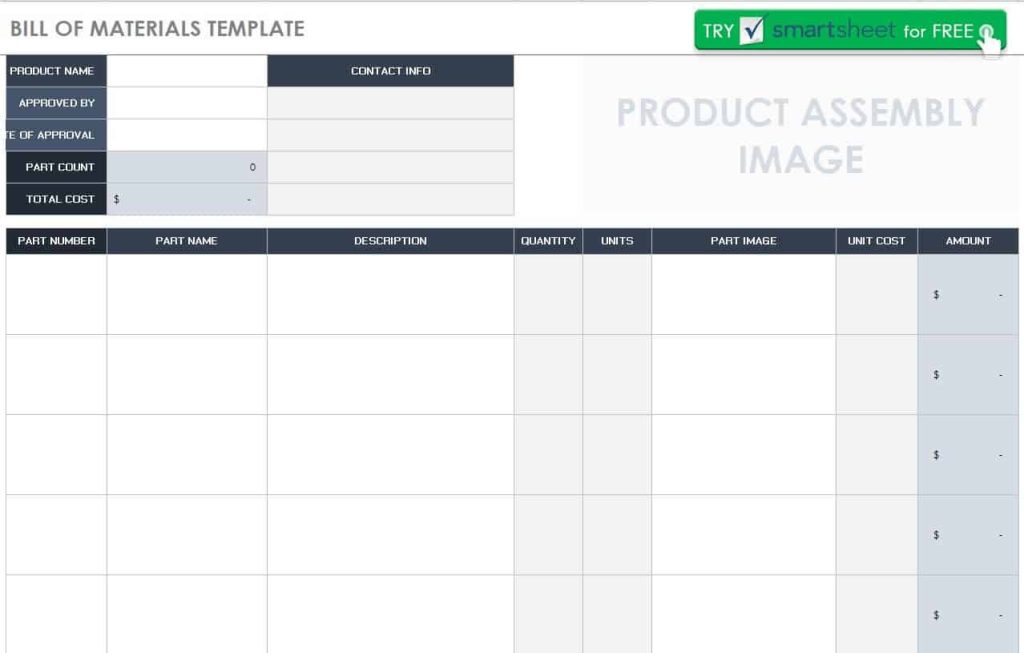
File Size: 54 KB
File Type: MS EXCEL
Standard Bill of Materials (BOM) Template
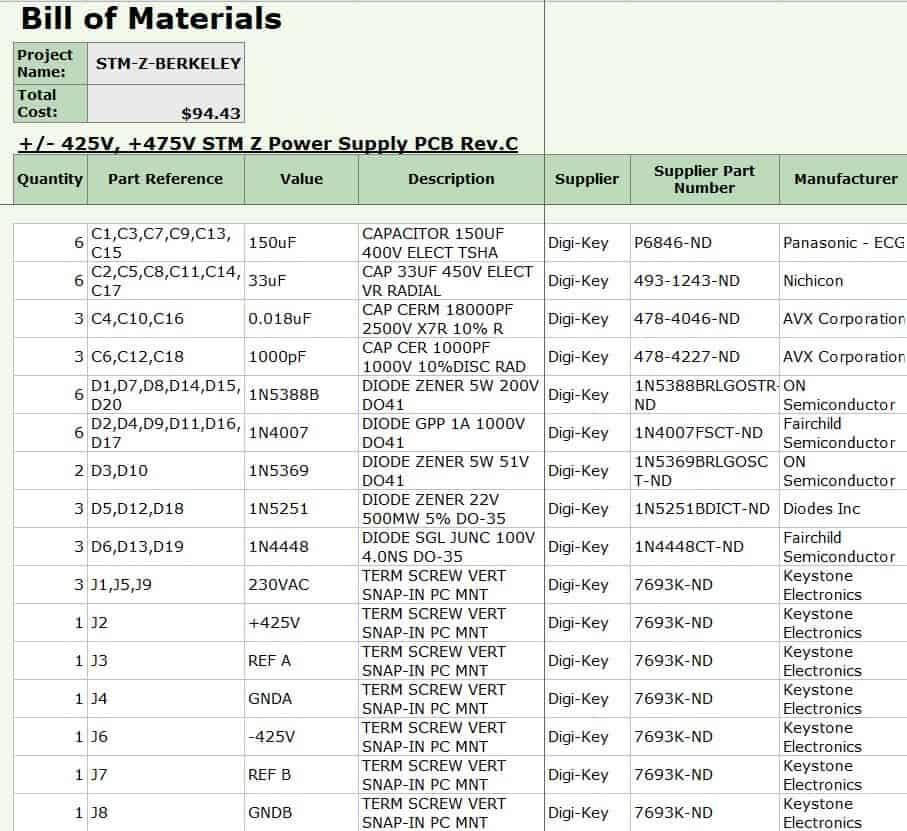
File Size: 13 KB
File Type: MS EXCEL
Elemental Bill of Materials (BOM) Template
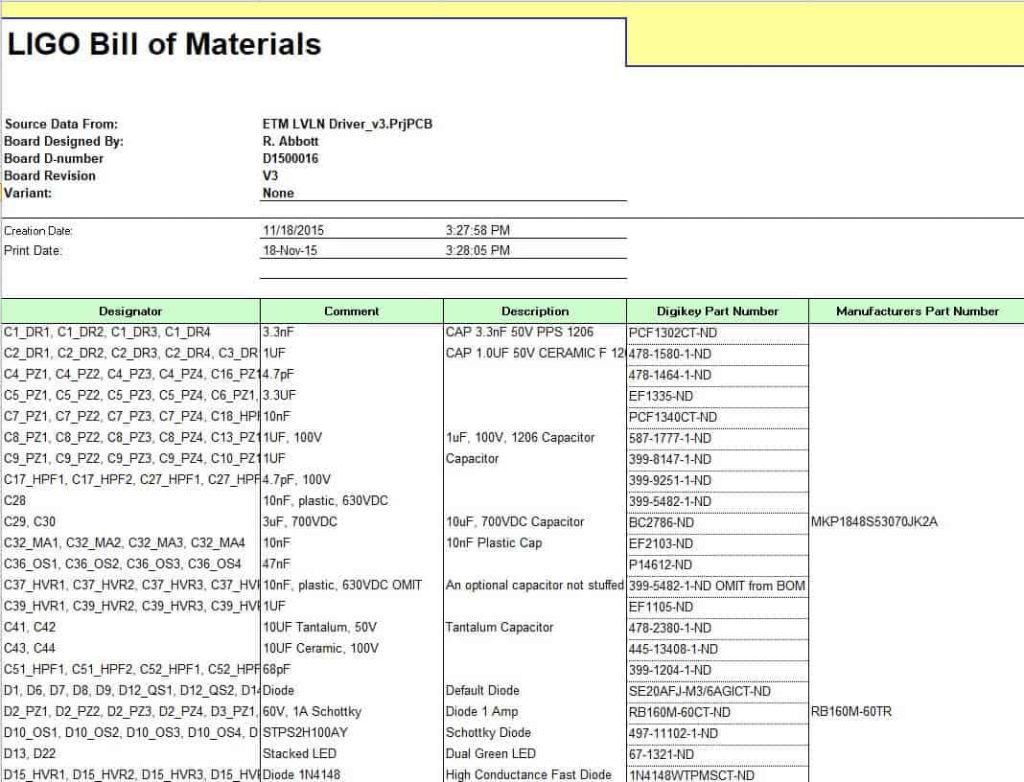
File Size: 17 KB
File Type: MS EXCEL
How to Create a Bill of Materials (BOM) Template
A BOM template is required to be prepared in accordance with the product or industry. A BOM must be comprehensive and detailed so that there is no ambiguity in it. It must also be drafted in such a way that it must be easy to understand for the reader. If you want to know how to create or make a bill of materials template, then make sure to include the following details and information in it.
Basic Details:
Following are some basic details and information that you must include in your BOM template:
- Complete name of your product.
- Proper name of the material, component, or part.
- Model number or assigned number for each material, component or part so as to make it easily accessible.
- A brief description of each material or component’s function and workability so that it gets easy to understand the importance of each.
- Unit of measurement for each material or component.
- Quantities, ratios, or proportions in which each material or component is required for the manufacturing of product.
- Important details of the vendor or supplier like their names and contact details.
- Per unit cost of each part, sub-part, material or component.
- Total cost of each part, sub-part, material or component.
Advanced Details:
In order to make your BOM template more effective, you can also consider including the given-below details or information:
- A picture or image of the material, component, or part.
- The BOM level of the material or component.
- Supplier’s approval or validation.
- The waste percentage for each material or component. This helps you to manage all things efficiently.
- A separate field that indicates whether you needed to purchase each of the material or component or you produced it yourself.
Frequently Asked Questions (FAQ)
What is the difference between an EBOM and an MBOM?
An Engineering Bill of Materials (EBOM) focuses on product design architecture as defined by CAD software and design specifications. A Manufacturing Bill of Materials (MBOM) includes all components needed to build a finished, shippable product, including packaging, adhesives, assembly tools, and shop-floor consumables omitted from the engineering phase.
Why is version control critical in a BOM template?
As engineering updates occur, component specifications change. Without strict version control, procurement teams risk purchasing outdated components, leading to material waste, assembly errors, and unexpected downtime.
Can I track manufacturing costs using an Excel BOM template?
Yes. By adding fields for Unit Cost, Quantity, and applying automated formulas (=Quantity * Unit Cost), an Excel BOM template automatically calculates total component costs, total sub-assembly costs, and the overall Cost of Goods Sold (COGS).
How does a multi-level BOM handle sub-assemblies?
A multi-level BOM uses indented structural numbering (e.g., Level 0 for final product, Level 1 for sub-assemblies, Level 2 for child components) to visualize how sub-components nest within larger modular sections before final integration.