A useful collection of editable stock report templates is available here on this page that anyone can use completely for free. All these stock report templates are available in Microsoft Excel format as excel workbooks or worksheets. One can simply download the template of their choice, add their details or information to it, and use it as per their own requirement. So make sure to scroll down and check out the given below editable stock report templates.
Managing inventory accurately is the backbone of any successful retail, manufacturing, or distribution business. Without a clear tracking system, businesses face stockouts, overstocking, phantom inventory, and revenue loss. Our collection of free editable stock report templates for Microsoft Excel provides a pre-formatted, automated solution to streamline your inventory management workflow.
Whether you need a simple daily stock status sheet, a warehouse inventory audit log, or a comprehensive monthly stock summary report with automated formulas, you can download the ready-to-use Excel workbooks below and adapt them to your operational needs.
What is a Stock Report and Why is it Essential?
A stock report (also known as an inventory status report or stock movement sheet) is an operational document that details the exact quantity, condition, and total monetary value of goods held by an organization at a specific point in time. It tracks raw materials, work-in-progress (WIP) items, and finished goods stored across physical warehouses, retail shelves, or fulfillment centers.
Implementing a structured inventory reporting system helps businesses maintain financial compliance, prepare accurate balance sheets (specifically calculating closing stock), and optimize cash flow. Key benefits include:
- Eliminating Discrepancies: Simplifies reconciliation between physical stock counts and recorded ledger balances.
- Automating Reorder Points: Prevents supply chain bottlenecks by identifying low-stock levels before items run out.
- Reducing Holding Costs: Highlights slow-moving, aged, or obsolete inventory so you can clear dead stock.
- Improving Financial Reporting: Provides exact closing inventory values required for cost of goods sold (COGS) accounting.
Key Components of an Effective Excel Stock Report
To ensure your inventory tracking remains accurate and actionable, a professionally designed stock summary sheet must contain the following core data fields:
| Data Field | Description & Purpose | Formula / Function |
| SKU / Item Code | Unique alphanumeric identifier assigned to each product unit. | Manual Input |
| Item Description | Detailed product name, brand, specifications, or size variants. | Manual Input |
| Opening Stock | The balance of stock units available at the start of the period. | Previous Period Closing |
| Stock In (Purchases) | Total units received from suppliers or production during the period. | =SUM() or Manual Input |
| Stock Out (Sales/Usage) | Total units sold, dispatched, or transferred out of inventory. | =SUM() or Manual Input |
| Closing Stock | The remaining inventory balance at the end of the reporting cycle. | =(Opening + Stock In) - Stock Out |
| Unit Cost & Total Value | Per-unit purchase price and total monetary value of current stock. | =Closing Stock * Unit Cost |
| Reorder Level | Minimum unit threshold that automatically triggers a reorder. | Conditional Formatting |
Types of Free Stock Report Templates Available for Download
1. Daily Stock Movement Report
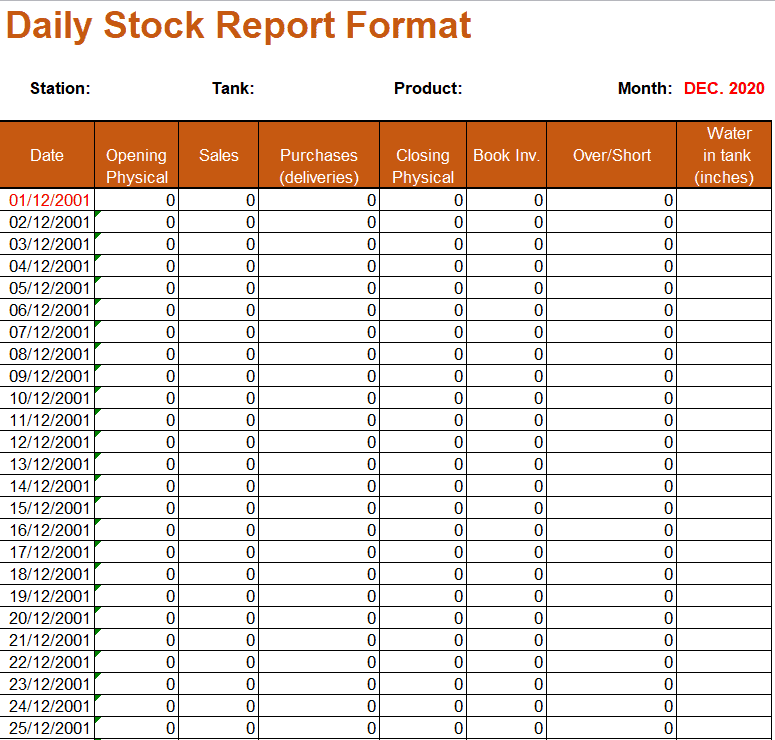
Ideal for fast-moving retail stores, bakeries, and restaurants. It records daily opening balances, sales receipts, incoming deliveries, and daily closing counts to ensure zero inventory leakage.
2. Monthly & Annual Stock Summary Reports
Designed for accounting teams and business managers. These templates aggregate high-level inventory metrics, overall inventory valuation, and stock rotation rates for quarterly and annual financial statements.
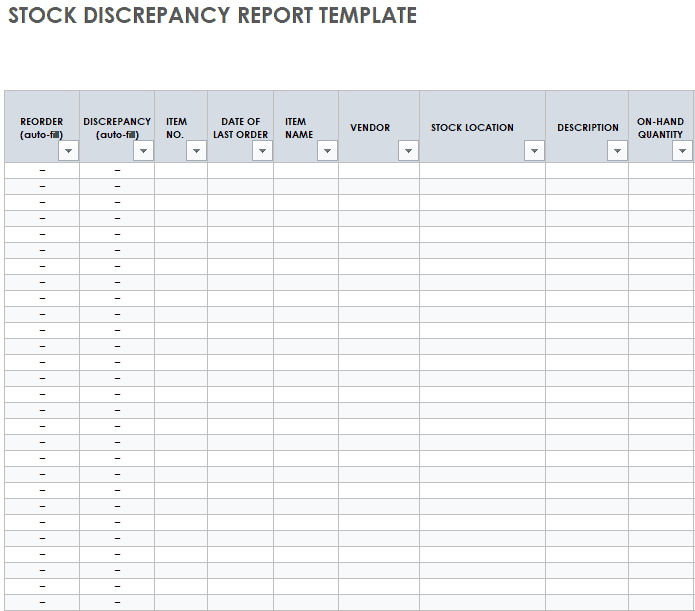
3. Warehouse Inventory Audit & Discrepancy Log
A specialized sheet for warehouse managers conducting physical cycle counts. It features built-in variance columns to highlight discrepancies between physical stock counts and system log numbers.
4. Stock Damage & Expiry Tracking Template
Essential for perishable goods, food distribution, and fragile items. Tracks damaged goods, write-offs, and batch expiration dates to minimize unexpected inventory losses.
5. Stock Aging & Turnover Analysis Spreadsheet
Categorizes stock based on how long it has been sitting in storage (e.g., 0-30 days, 31-60 days, 90+ days). Helps businesses identify slow-moving products and liquidation opportunities.
How to Use Our Excel Inventory Templates Effectively
To maximize efficiency when using our free inventory control sheets, follow this operational workflow:
Conduct Regular Audits: Perform physical cycle counts weekly or monthly to verify that actual shelf quantities match your recorded closing stock.
Download & Customize: Choose the stock sheet template that matches your business model (e.g., Retail, Manufacturing, or Food Service) and download the .XLSX file.
Input Master Data: Set up your SKU database, product descriptions, unit costs, and warehouse location tags in the master tab.
Define Reorder Levels: Set realistic minimum threshold limits for each SKU based on historical lead times and customer demand.
Official Stock Report Templates
Printable Stock Report Template
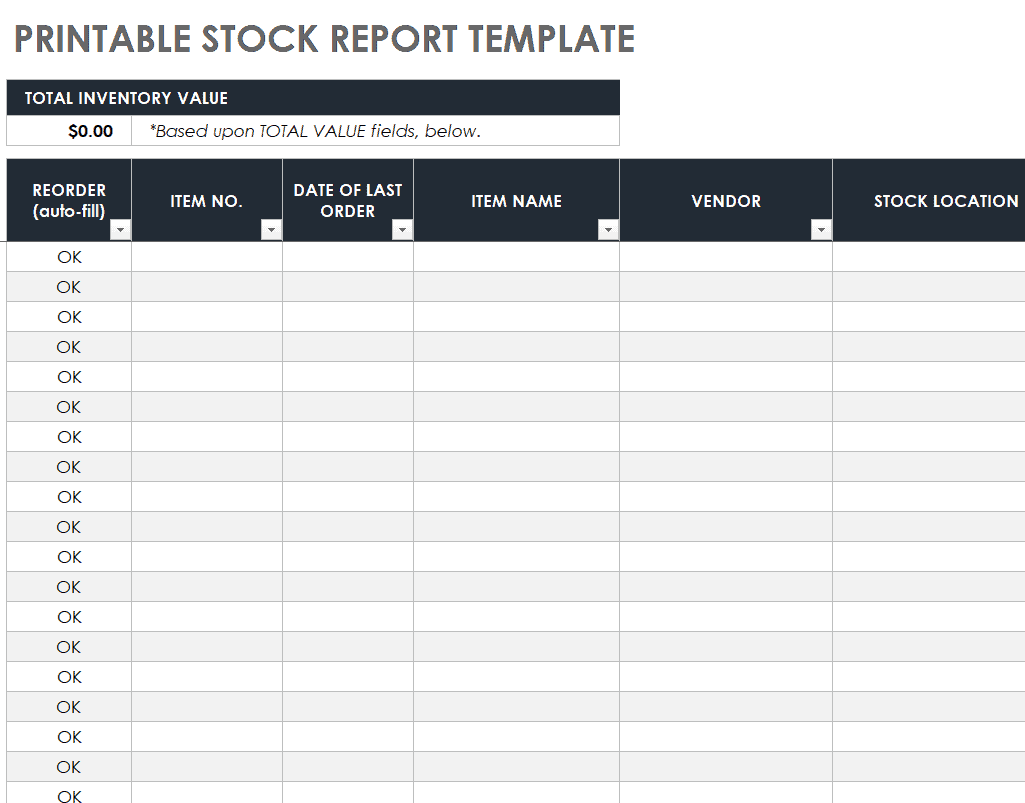
File Size: 349 KB
Inventory Audit Report Template
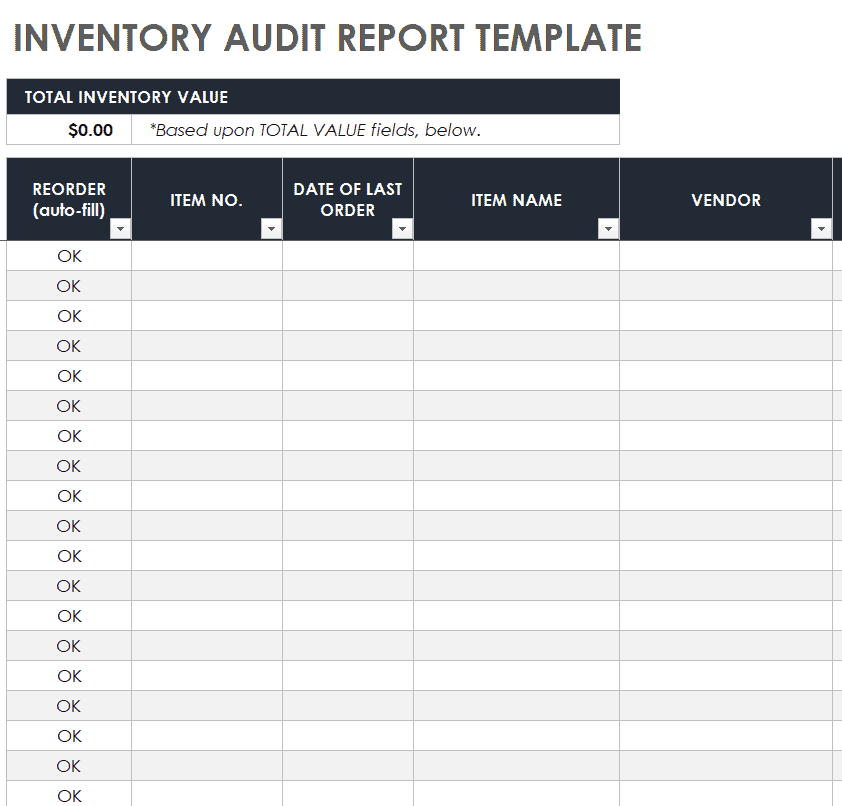
File Size: 350 KB
Daily Stock Report Template
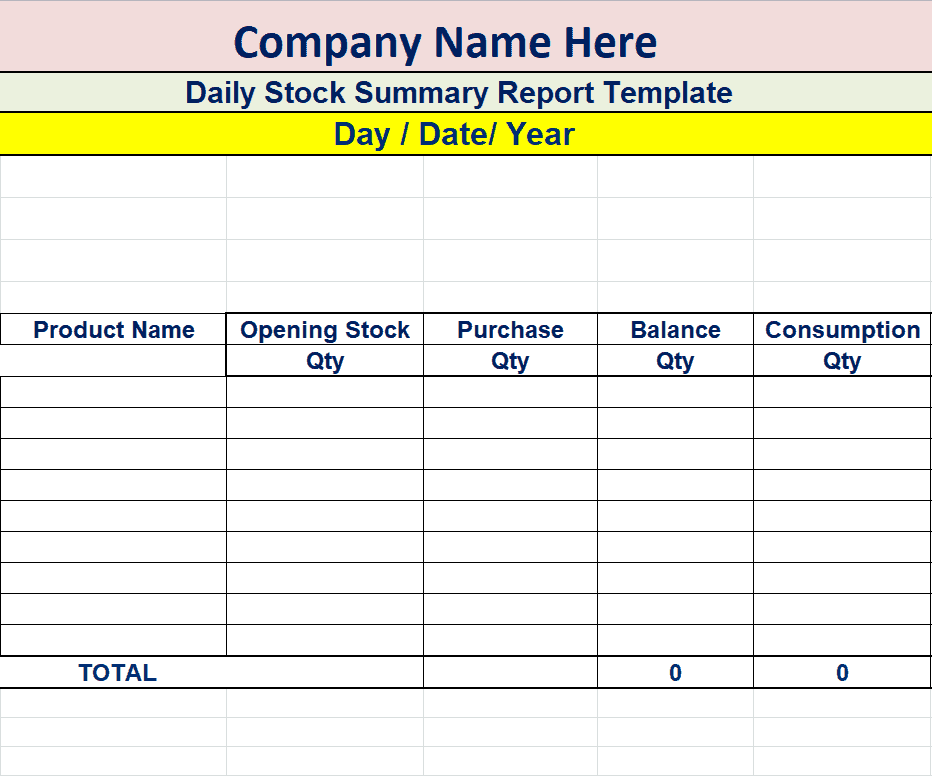
File Size: 09 KB
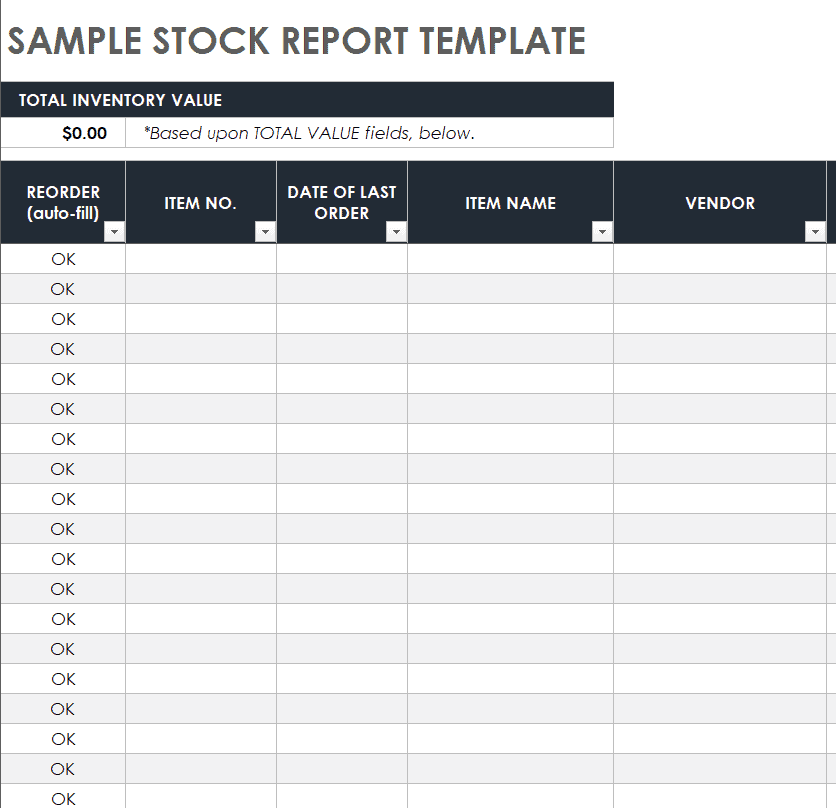
Sample Stock Report Template
File Size: 348 KB
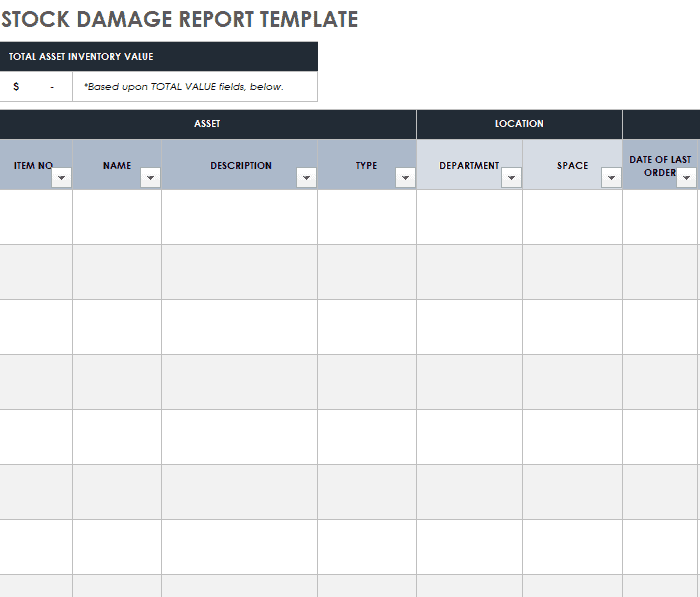
Stock Damage Report Template
File Size: 335 KB
Daily Stock Report Format
File Size: 13 KB
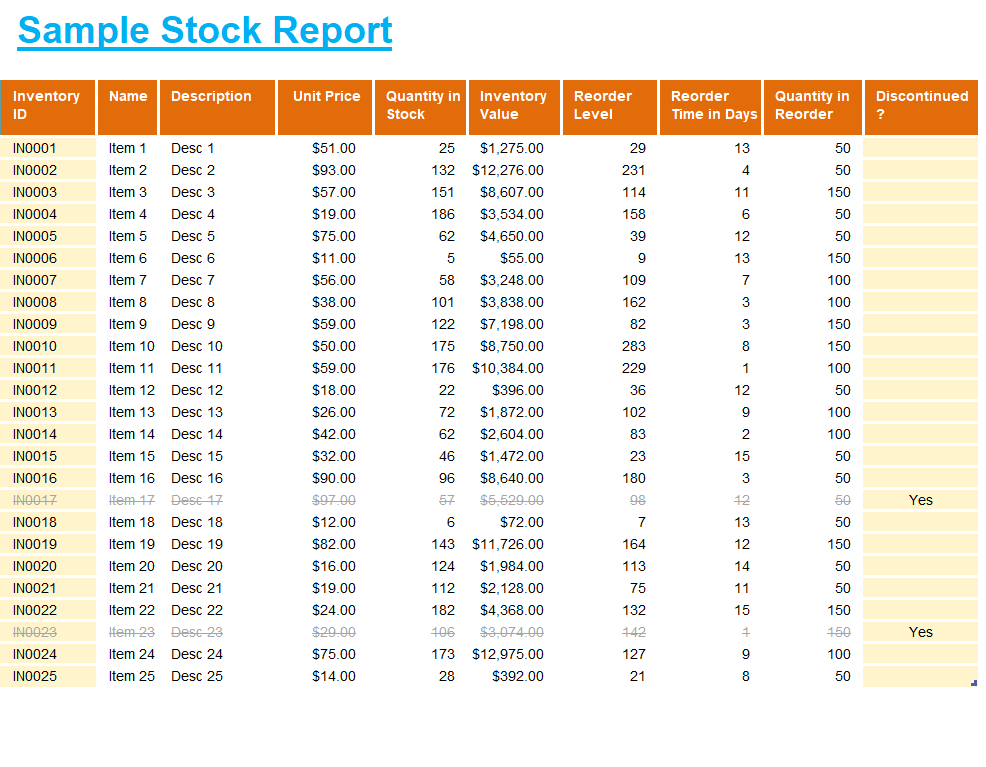
Sample Stock Report Excel Template
File Size: 14 KB
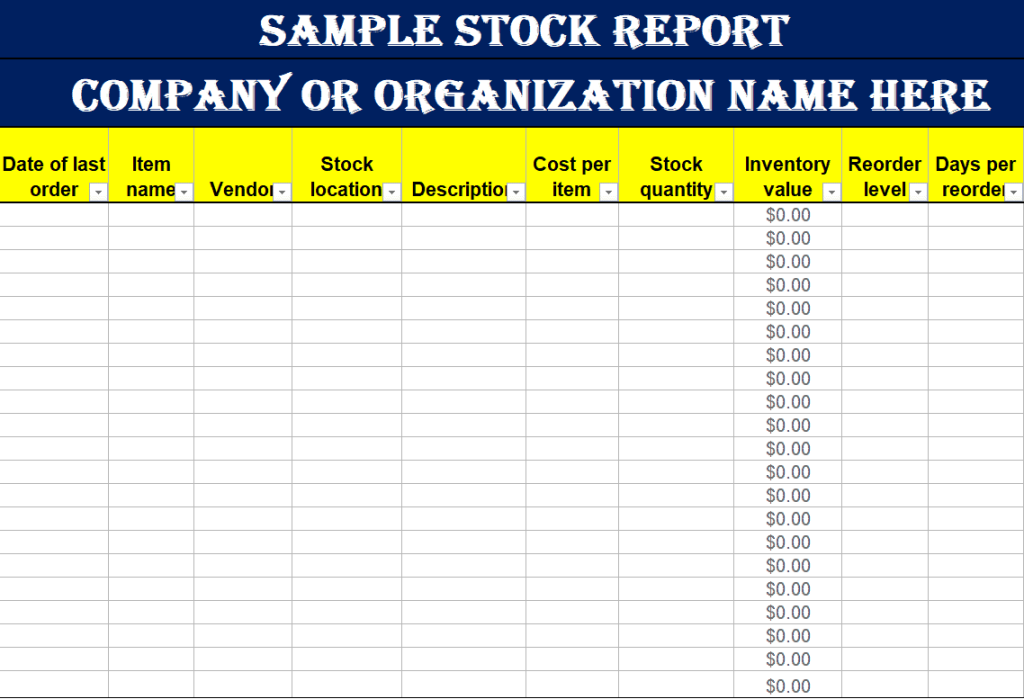
Company’s Stock Report Sheet Sample
File Size: 08 KB
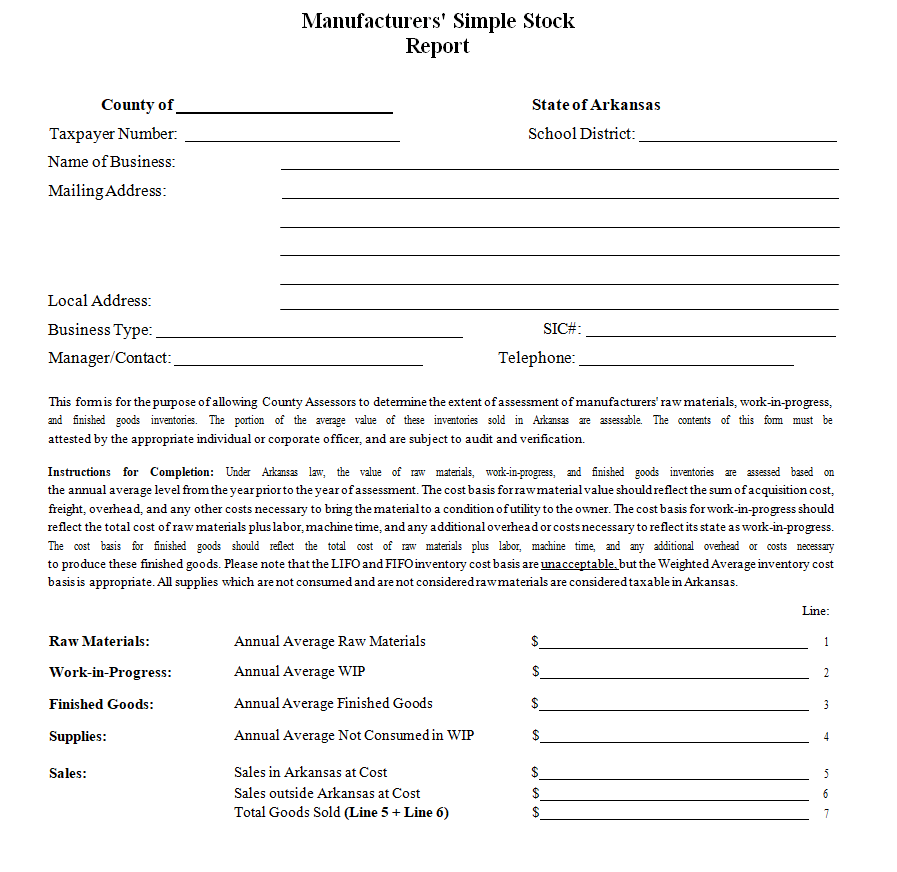
Manufacturers’ Simple Stock Report Template in MS WORD
File Size: 18 KB
Food Stock Report Template Online

File Size: 329 KB
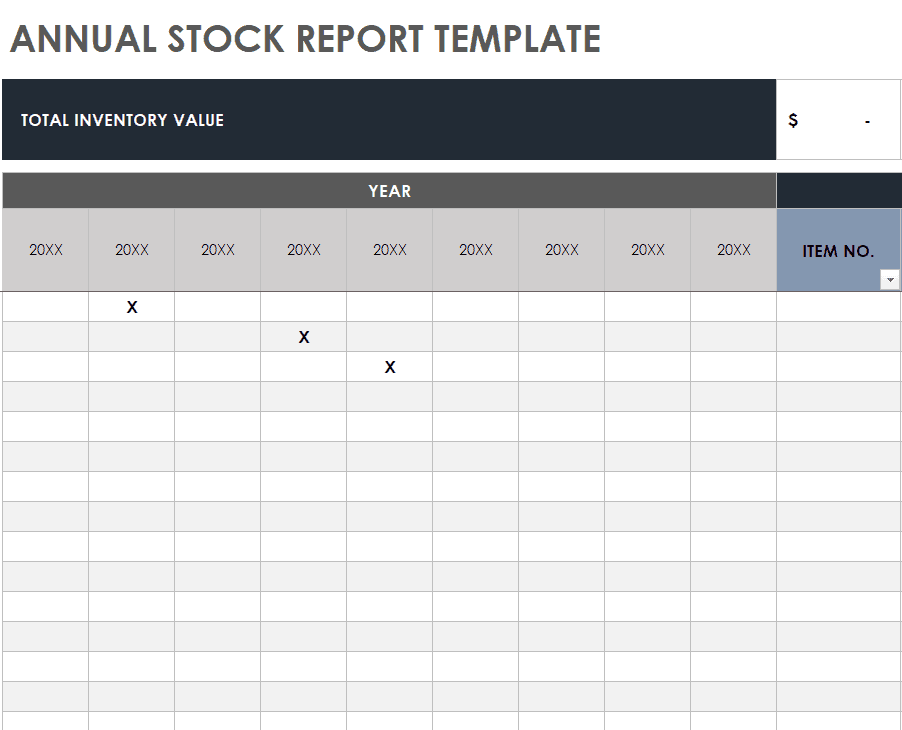
Printable Annual Stock Report Template
File Size: 342 KB
Excel Weekly Stock Report Template

File Size: 350 KB
Restaurant Daily Food Stock Workbook

File Size: 15 KB
Simple Food Stock Report Template

File Size: 12 KB
Stock Discrepancy Report Template
File Size: 304 KB
Basic Contents of a Stock Report
A stock report is prepared for almost all types of businesses. Not only it is prepared for a manufacturing business, but it can also be prepared for many other businesses like the restaurant business. Almost every business has some kind of stock or inventory so a stock report is prepared depending on the type of business and nature of its operations. Whatever the case might be, if you are in a position where you have to prepare a stock report, make sure to know some basic contents of a stock report mentioned below:
- Item Name: The name of the stock or inventory item.
- Item Code Number: This is the distinct code number of each inventory item.
- Average Order Value (AOV): This is the average amount a customer spends each time they place an order. This can be calculated by dividing the total amount of revenue from an inventory item by the total number of orders of that item.
- Description: A brief description of every item of the stock.
- Opening stock: The number of units of each item that were previously held.
- Date of Last Order: The date when the last orders for each item were placed.
- Per Unit Price: This is the cost price for each unit of an inventory item.
- Units Sold: The number of units of an inventory item that were sold during the period of the stock report.
- Units Purchased: The number of units of an inventory item that were purchased during the period of the stock report.
- Closing Stock: The remaining number of units of each inventory item held by the organization at the end of the period of the stock report.
- Value of each item: This is the value of each item of the stock that can be calculated by multiplying the per unit price with the number of units of each inventory item. This way the amount of closing inventory for each stock item can be calculated.
- Reorder Point: Also referred to as the ‘Reorder Level’, it is the point or level in numbers where you automatically reorder the inventory item. To put it simply, a point in number is set for each inventory item that when reached, the order for that inventory item is placed automatically.
- Reorder Quantity: This is the quantity of each inventory item that is to be reordered.
- Location: The specific physical location of each inventory item where it is placed i.e., the area, department, floor, room, shelf, etc.
- Manufacturer: Name of the manufacturers of each stock item.
- Condition: The condition refers to the wear and tear of an item or the remaining period of its service.
- Total Value of Inventory: This value is calculated by adding up the value of all the stock items.
- Period: Mention the period and dates for which such a stock report is prepared. If a daily stock report is prepared, mention the day and date. If the stock report is weekly, monthly, or quarterly, mention the start and end dates.
- Signatures: The person who prepares the stock report and the one to whom such a report is presented to shall sign the report.
Check Out Some More Stock Report Templates
Simple Stock Report Sheet Example
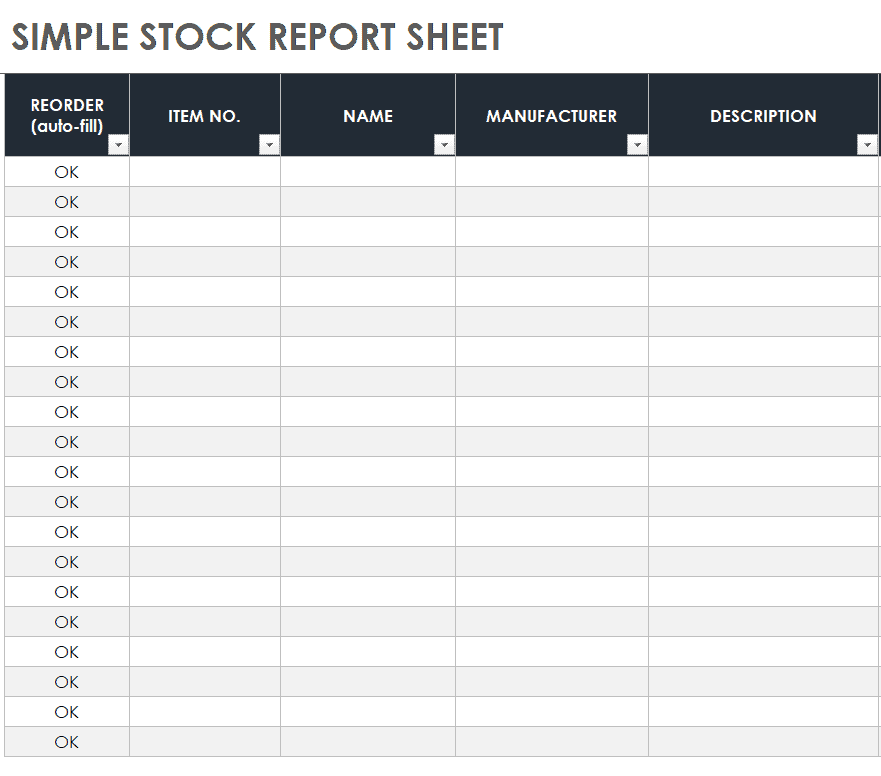
File Size: 338 KB
Company’s Daily Stock Report Template
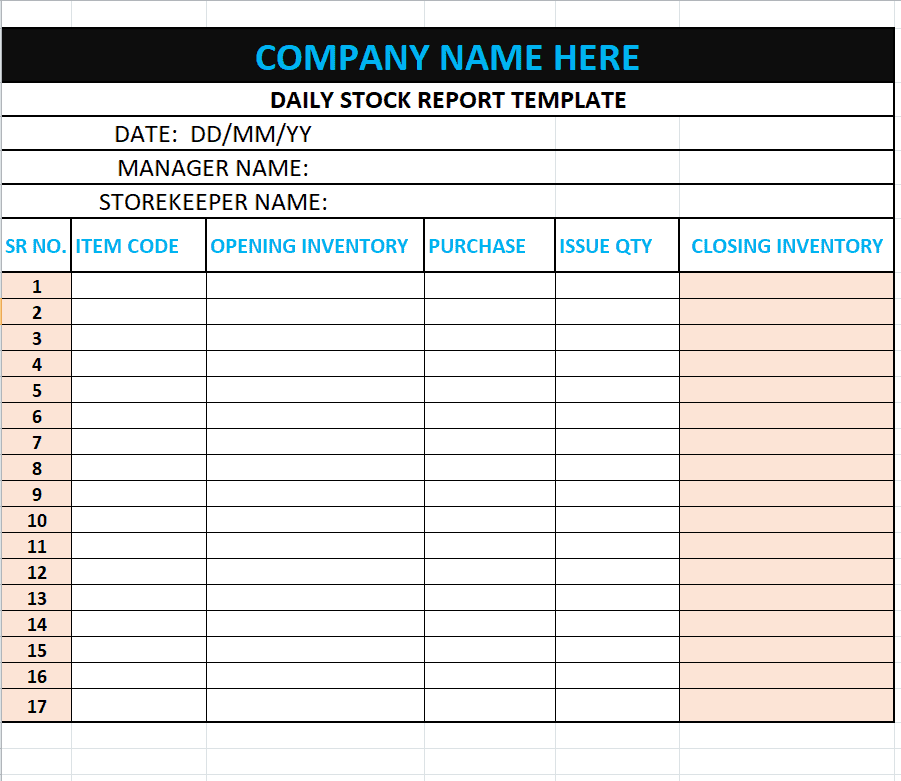
File Size: 08 KB
Sample Stock Aging Report Template
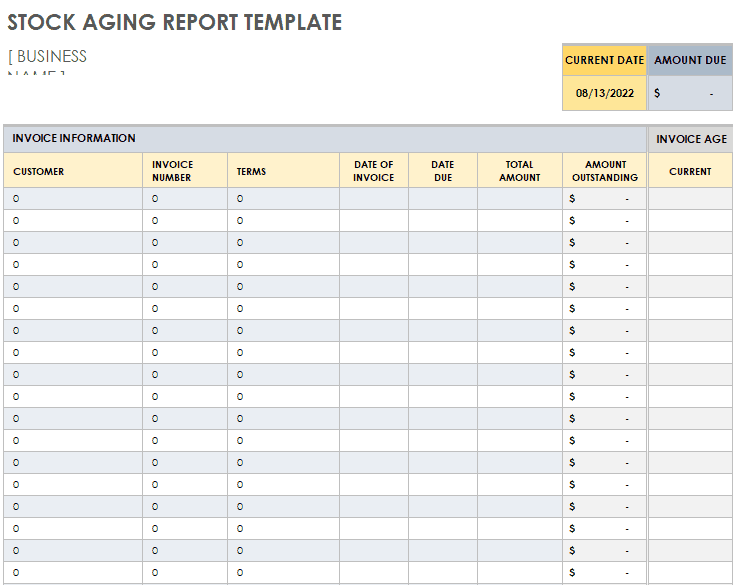
File Size: 340KB
Stock Summary Report Template in XLSX Format
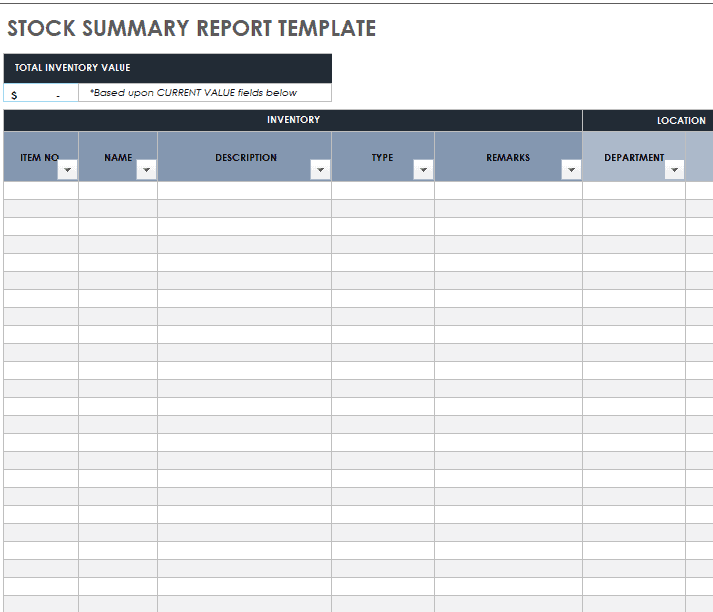
File Size: 332 KB
Equipment Stock List Template
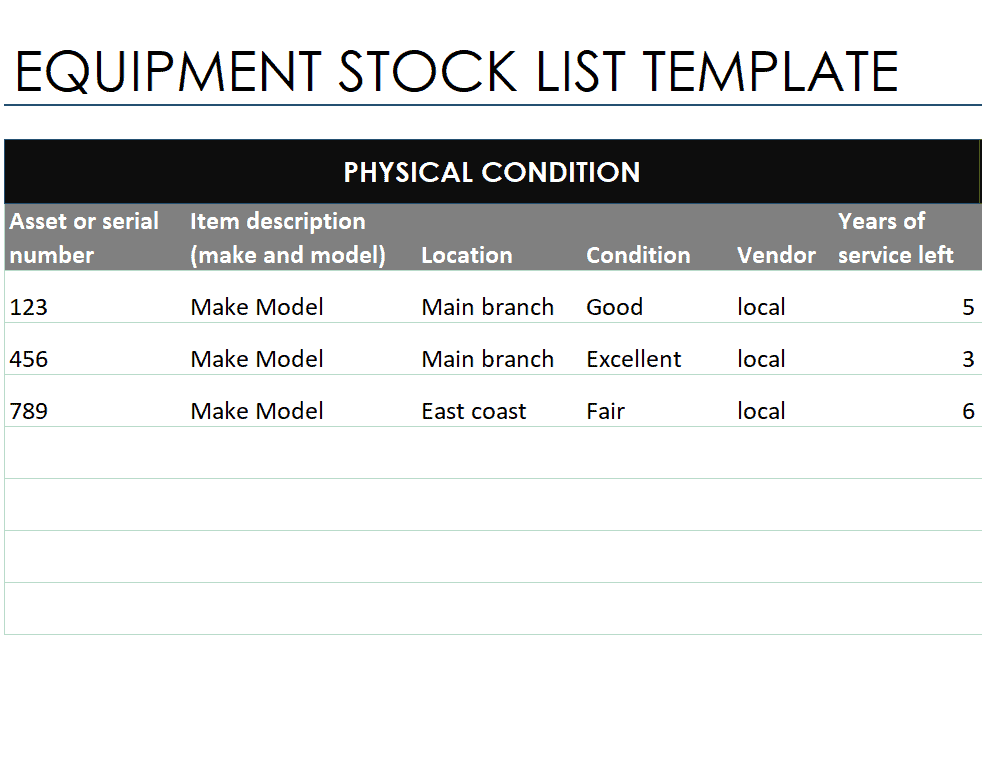
File Size: 12 KB
Organization’s Monthly Stock Report Template
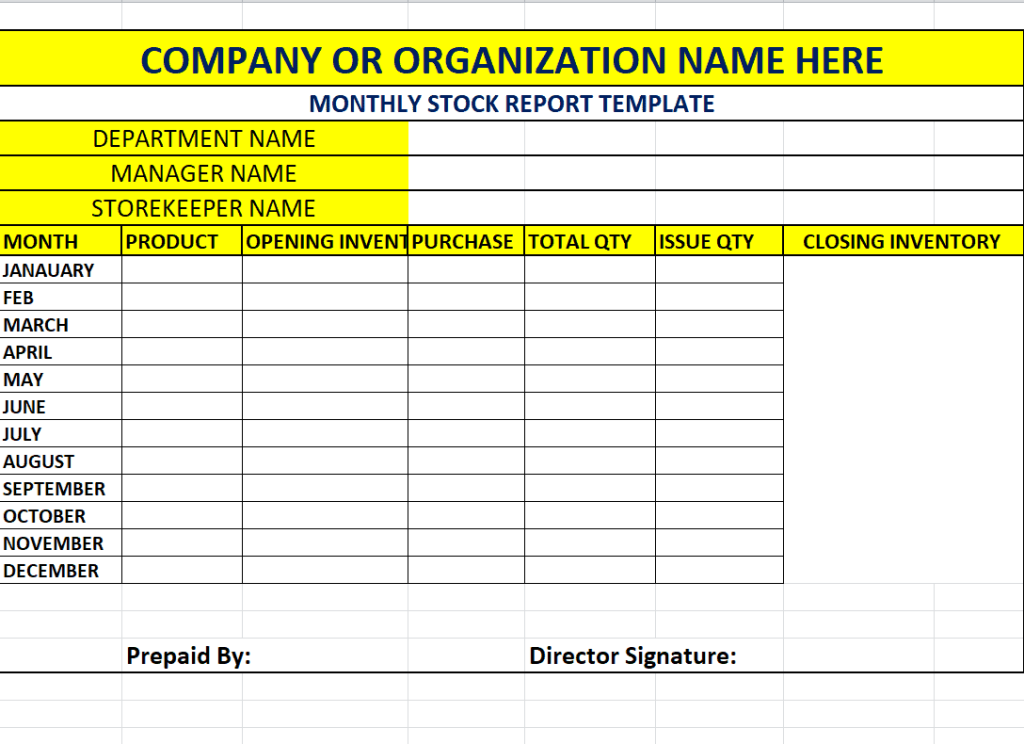
File Size: 08 KB
Product Stock Usage Report Template

File Size: 304 KB
Official Annual Stock Summary Report Template
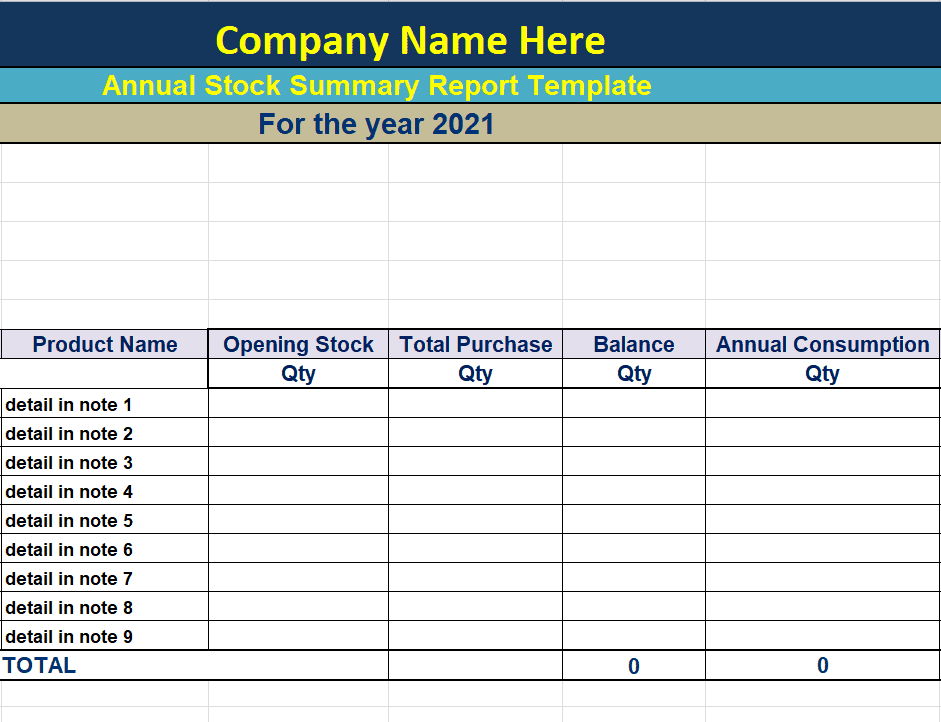
File Size: 09 KB
Blank Stock Report Template of a Company
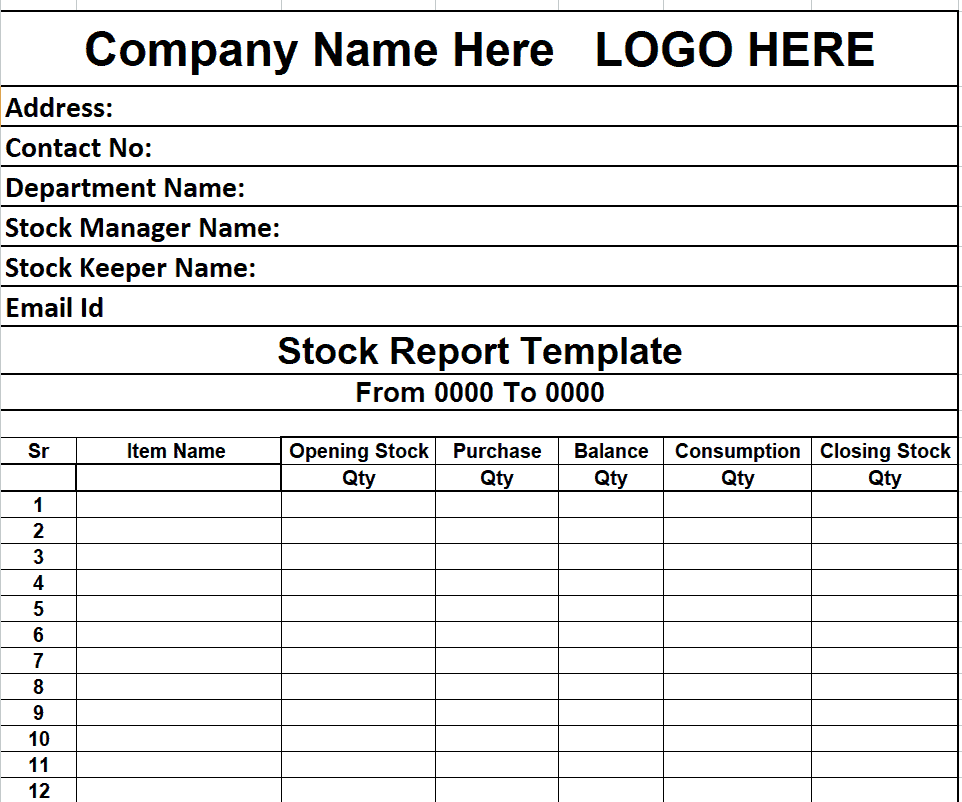
File Size: 10 KB
Business Weekly Stock Summary Report Template
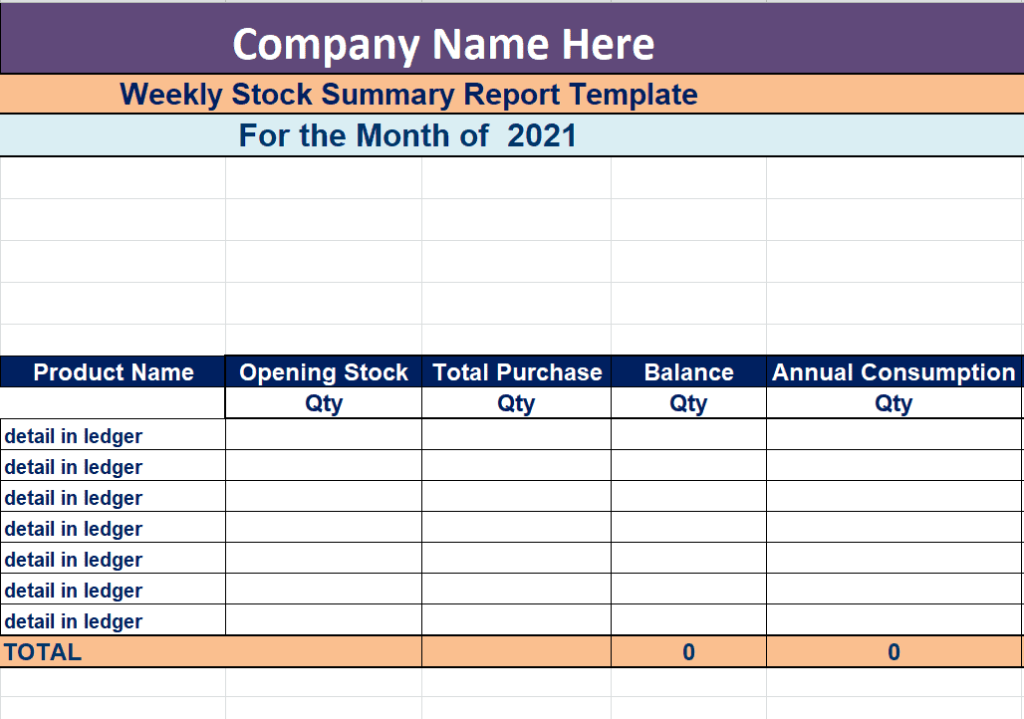
File Size: 08 KB
Free Customizable Stock Summary Report Template
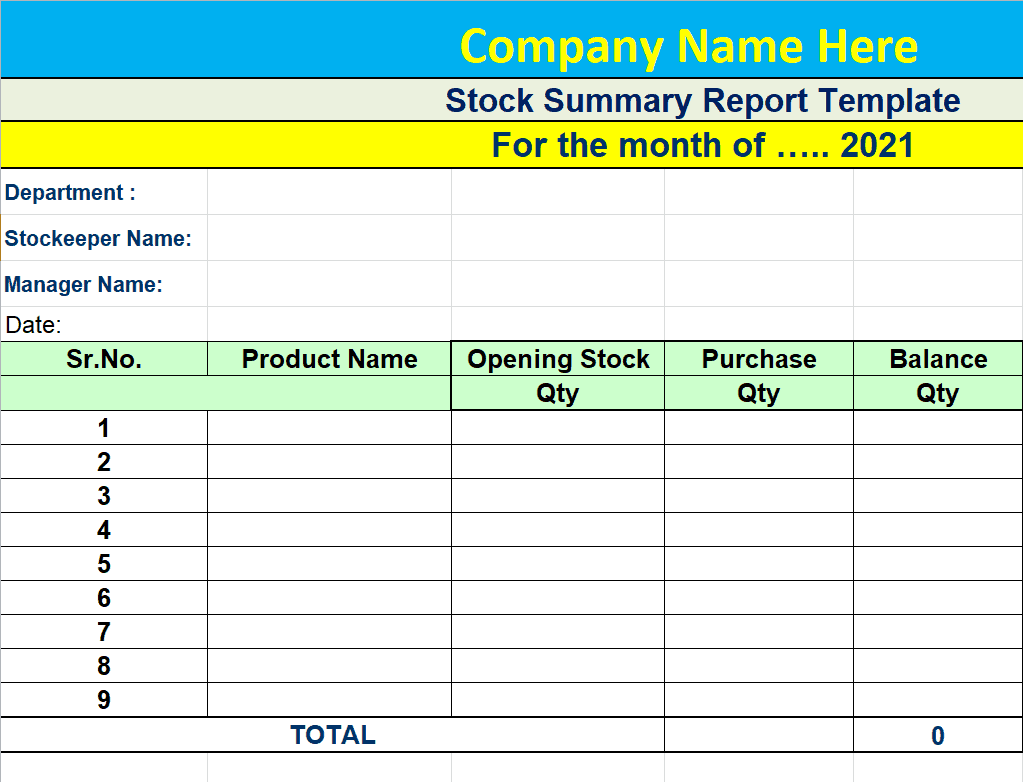
File Size: 10 KB
Stock Control Report Template in MS EXCEL
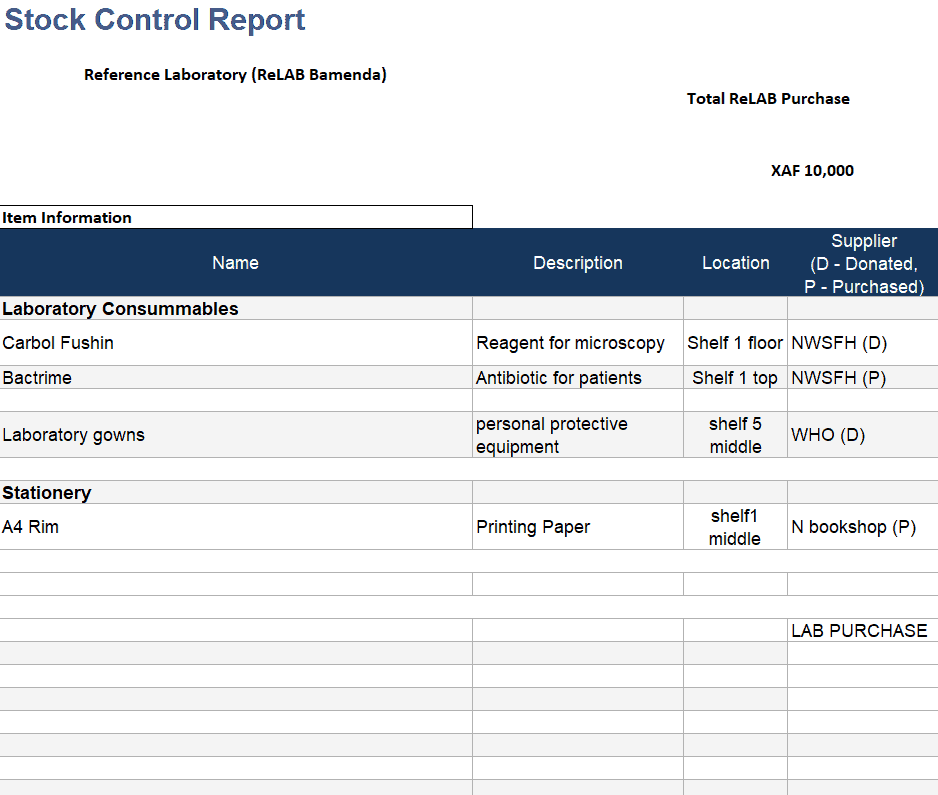
File Size: 14 KB
Detailed Stock Report Sheet Example
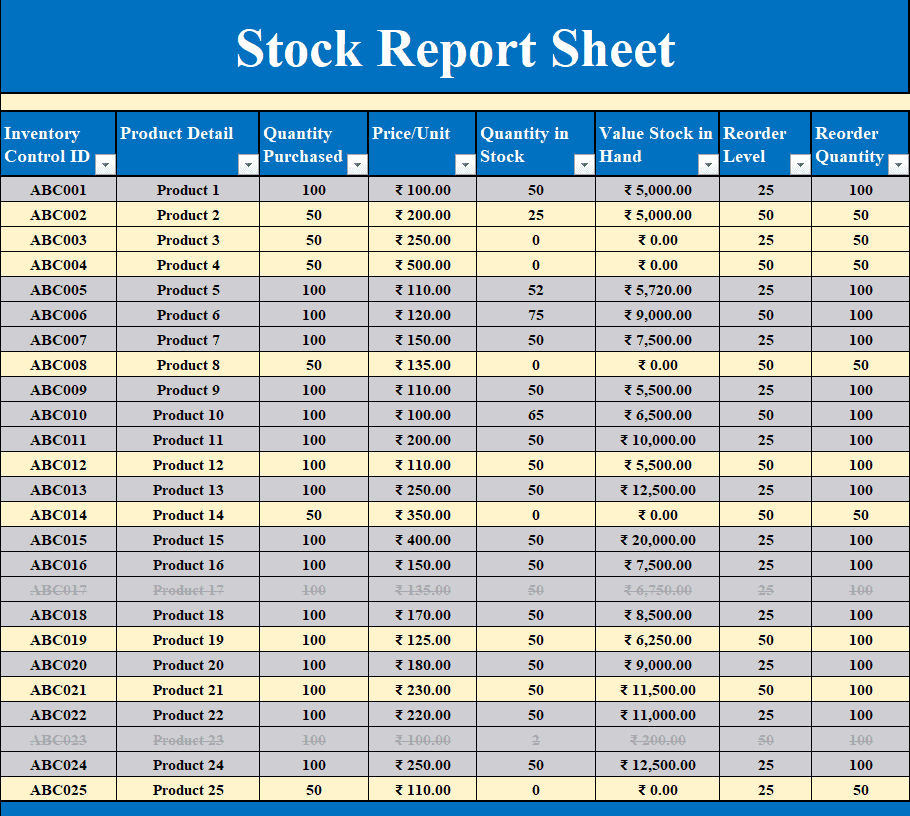
File Size: 17 KB
Corporate Stock Report Template EXCEL
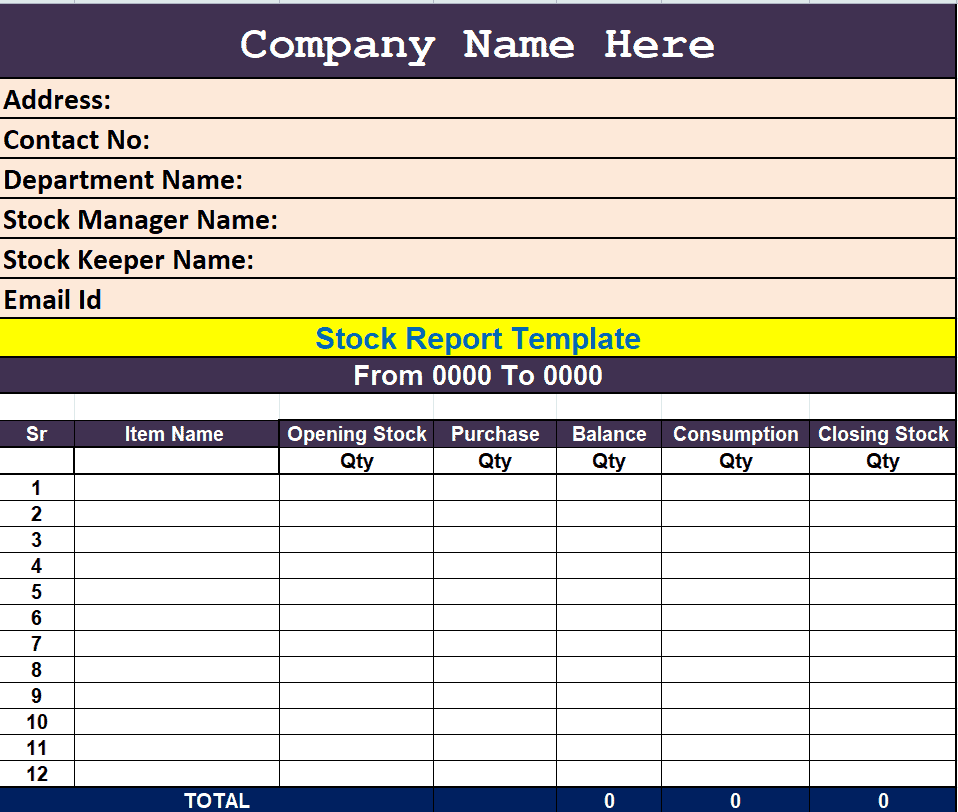
File Size: 08 KB
Frequently Asked Questions (FAQ)
What is the difference between a stock report and an inventory report?
In practice, the terms are used interchangeably. However, a stock report usually focuses on physical finished products ready for sale, whereas an inventory report encompasses all physical assets, including raw materials, spare parts, packaging, and work-in-progress inventory.
Can I use these stock templates in Google Sheets?
Yes. All our templates are created in standard Microsoft Excel (.XLSX) format. You can easily upload them to Google Drive and open them in Google Sheets without losing cell formatting or formula calculations.
How do I calculate Closing Stock in Excel?
Closing Stock is calculated using the standard formula:
Closing Stock = Opening Stock + Stock Received (Purchases) - Stock Dispatched (Sales/Usage)
How often should a business run a stock report?
Frequency depends on your inventory turnover rate. High-volume businesses (grocery stores, restaurants) should maintain daily stock logs, while low-volume or higher-value businesses (furniture, electronics) can run weekly or monthly stock reports alongside periodic physical cycle counts.