Business travel is one of the easiest areas for costs to grow unnoticed, which is why regular travel expense audits matter. On this page you can download 5 free business travel audit report templates, including a travel expense audit report, an annual business expense report, a monthly personal expense report, a monthly travel expense report and a monthly business expense report. Use them to review travel claims, compare spending against policy and budget, and present clear findings to management.
Travel Audit Report Basics
A business travel audit report is a document prepared by internal auditors or a senior accountant to check whether the company’s travel spending was valid, reasonable and in line with policy. An expense audit confirms that money spent in a particular period actually benefited the business, helping management cut unproductive spending and protect profits.
How to prepare one: Carefully examine all travel expense reimbursement forms, receipts and invoices for the period. Check approvals, compare amounts with policy limits and budget, and note any errors or exceptions. Then summarize the results in a clear report so management can see the key data at a glance.
How often to audit: Many companies prepare a travel audit report at the end of each year, but monthly, quarterly or half-yearly reviews catch problems sooner and keep travel costs under tighter control.
Why use a template: These MS Excel travel audit report templates can be used by any company after updating the business name, reporting period and date. Whatever the size of your organization, they help you finish an audit report quickly, prevent misuse of travel funds and stay informed about business travel costs.
How to use these templates: Download a travel audit report template and enter your company name, the audit period and the auditor’s name. List the travel claims reviewed with totals by category and employee, record any policy breaches, missing receipts or errors, and add your findings and recommendations. Share the completed report with management and finance, and track the agreed corrective actions until they are closed.
Tip: Use the same audit template every period so results can be compared over time, making it easy to show management whether travel spending and policy compliance are improving.
Find Business Travel Audit Report Templates:

What Is a Business Travel Audit Report?
A business travel audit report summarizes the results of a review of a company’s travel spending over a specific period. Internal auditors, finance managers or senior accountants examine employee travel claims, receipts, corporate card statements and booking records to confirm that the expenses were genuine, necessary, correctly approved and in line with the company’s travel policy. The report then presents the findings, highlights any problems such as duplicate claims or out-of-policy bookings, and recommends improvements.
Travel and entertainment is often one of the largest controllable costs for a business. A regular travel expense audit helps prevent fraud and errors, supports tax compliance, and identifies opportunities to save money through better booking practices and supplier agreements.
What to Include in a Travel Audit Report
Audit scope and period: Which departments, employees, trips and dates were reviewed, and whether the audit covered all claims or a sample.
Objectives: For example, verifying compliance with travel policy, checking supporting documents and identifying cost-saving opportunities.
Summary of spending: Total travel costs broken down by category, such as airfare, hotels, meals, car rental, mileage and entertainment, and by department or project.
Comparison with budget: Actual travel spending compared to the approved budget and to previous periods.
Policy compliance findings: Claims without receipts, missing approvals, bookings above class or rate limits, late submissions and personal expenses claimed as business costs.
Errors and irregularities: Duplicate claims, calculation mistakes, incorrect mileage or currency conversion, and any suspected misuse.
Recommendations: Practical actions such as updating the travel policy, using preferred suppliers, training employees or introducing automated expense tools.
Management response and sign-off: Comments from management, agreed actions, responsible persons and deadlines.
Types of Expense Report Templates in This Collection
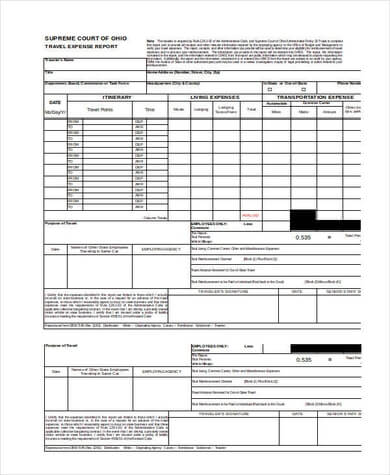
Travel expense audit report: A structured template for recording audit findings on travel claims.
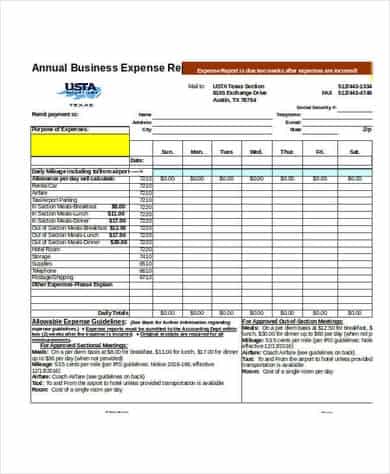
Annual business expense report: Summarizes business expenses by category for the full year, ideal for year-end reviews.
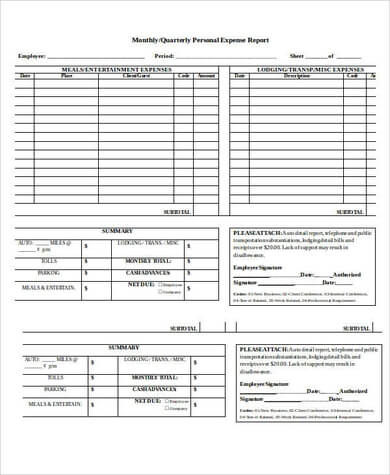
Monthly personal expense report: Helps individuals or self-employed professionals track and review monthly spending.
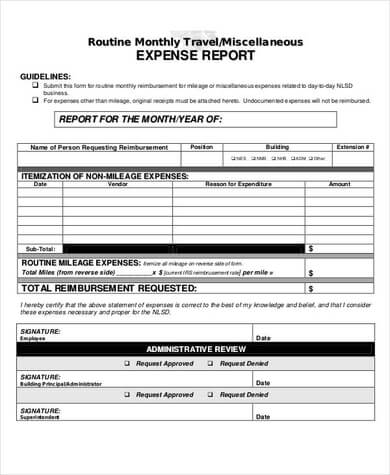
Monthly travel expense report: Records travel costs each month so trends and unusual spikes are easy to spot.
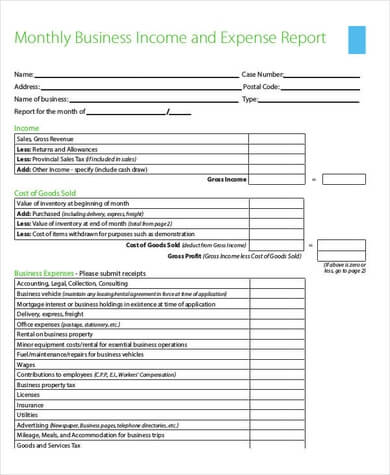
Monthly business expense report: Tracks all business expenses month by month for budgeting and control.
How to Conduct a Travel Expense Audit
Step 1 – Plan the audit: Define the period, scope and sample size, and gather the travel policy, approval rules and budgets.
Step 2 – Collect data: Export travel claims, corporate card transactions, booking data and receipts for the selected period. Individual claims may already be summarized in your expense reports.
Step 3 – Test the claims: Check that each expense has a valid receipt, business purpose and approval, and that amounts and dates match supporting documents.
Step 4 – Analyze trends: Compare spending by employee, department and supplier, and look for unusual patterns such as frequent weekend claims or round-number amounts.
Step 5 – Report findings: Record results in the business travel audit report template, rate the importance of each finding and suggest corrective actions.
Step 6 – Follow up: Track agreed actions and include progress in future summary reports or monthly reports to management.
Tips for Reducing Business Travel Costs
Book flights and hotels early and through approved channels, negotiate corporate rates with frequently used hotels and airlines, use video meetings when travel is not essential, and set clear daily limits for meals and accommodation. Require pre-approval for expensive trips and reimburse employees promptly using a standard payment voucher. Regular audits combined with a clear policy usually reduce travel costs without hurting productivity, and including planned travel in your cash flow forecast makes budgeting more accurate.
Key Travel Audit Metrics to Track
Total travel spend: The overall cost of business travel for the period, compared with budget and previous periods.
Cost per trip and per traveler: Average spending for each trip and each employee, which highlights unusually expensive travel.
Policy compliance rate: The percentage of claims that fully follow the travel policy, including approvals, booking rules and spending limits.
Advance booking rate: How far in advance flights and hotels are booked. Last-minute bookings usually cost much more.
Average hotel rate and airfare: Useful for negotiating corporate rates with preferred suppliers.
Claim processing time: How long it takes from trip end to reimbursement, which affects employee satisfaction.
Exceptions and errors: Number and value of claims with missing receipts, duplicates or calculation mistakes.
Tracking these figures in your audit report each period shows whether controls are improving and where further savings are possible.
Building a Strong Travel Expense Control System
Audits work best as part of a wider control system. Start with a clear written travel policy, require pre-approval for trips above a set cost, and use standard expense report templates so every claim contains the same information. Encourage employees to book through approved channels and to submit claims promptly with receipts. Managers should review and approve claims carefully rather than signing automatically. Finally, schedule regular audits and share the key findings with employees, so everyone understands the rules and why they matter.
Writing Clear Audit Findings
Each finding in a business travel audit report should follow a simple structure. Start with the condition, which describes what you found, for example “12 hotel claims exceeded the nightly limit.” Then state the criteria, meaning the policy rule or budget the claims were measured against. Explain the cause, such as unclear policy wording or bookings made at short notice, and the effect, including the extra cost to the business. Finish with a practical recommendation and a named owner and deadline for the corrective action. Findings written this way are easy for management to understand and act on, and they make follow-up audits much simpler.
Frequently Asked Questions
What is a travel expense audit?
It is a review of employee travel claims and related records to check accuracy, policy compliance and value for money.
How often should travel expenses be audited?
Many companies audit travel expenses quarterly or annually, while high-spending organizations may review claims monthly.
Who prepares a business travel audit report?
Internal auditors, finance managers or senior accountants usually prepare the report for senior management or the audit committee.
What are common travel expense problems?
Missing receipts, duplicate claims, out-of-policy bookings, personal expenses and incorrect mileage are the most common issues.
Can small businesses use these templates?
Yes. Small businesses can use the monthly and annual expense report templates to review spending even without a formal audit team.
Are these templates free?
Yes. All 5 business travel audit and expense report templates on this page are free to download.
Conclusion
Regular travel expense audits keep spending under control and strengthen financial discipline across the business. Download a free business travel audit report template from this page and turn your next review into clear, actionable findings.